
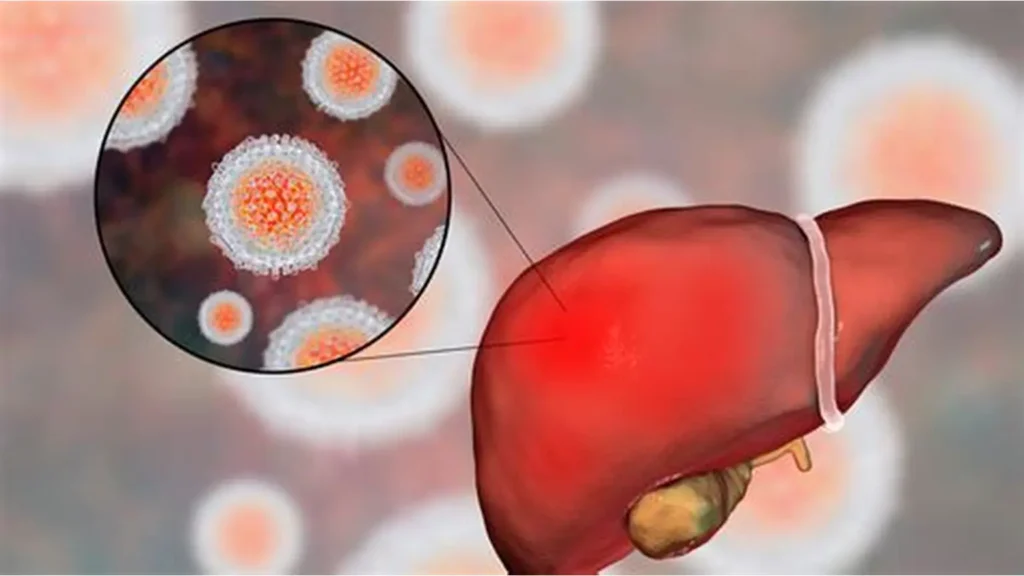
Hepatitis C (HCV)
Hepatitis C (HCV)Hepatitis C is a viral infection that primarily affects the liver. It can be short-term or develop into a chronic infection, and without appropriate treatment, it may gradually…
Owais Ishaq
October 3, 2026
Health tips, clinic news, and articles from our doctors.
Hepatitis C (HCV)Hepatitis C is a viral infection that primarily affects the liver. It can be short-term or develop into a chronic infection, and without appropriate treatment, it may gradually…
Hepatitis B (HBV)Hepatitis B is a viral infection that affects the liver. It can occur as an acute infection or become chronic, potentially leading to liver inflammation, fibrosis, cirrhosis, and…
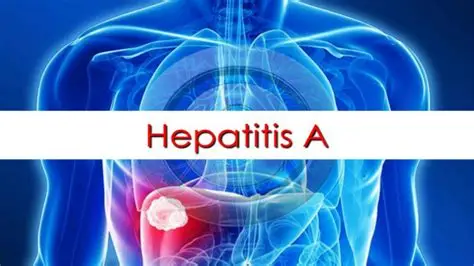
Hepatitis A (HAV)Hepatitis A is a contagious viral infection caused by the Hepatitis A virus (HAV). It primarily affects the liver and usually causes a short-term illness rather than a…

GI Cancer Screening & PreventionGastrointestinal (GI) cancers can affect different parts of the digestive system, including the esophagus, stomach, small intestine, colon, rectum, liver, pancreas, and bile ducts. Early detection…
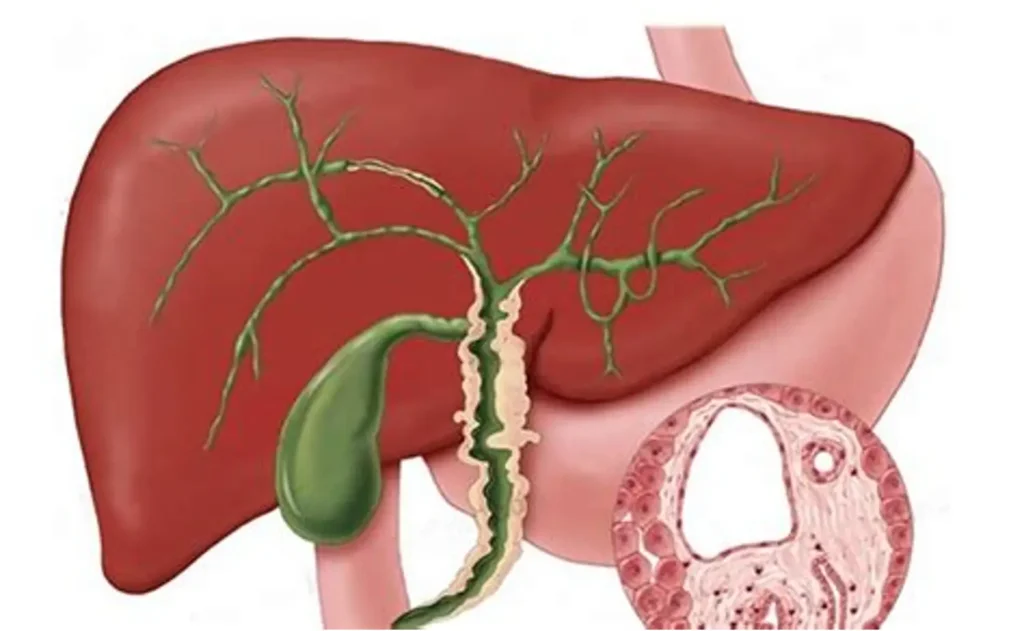
Primary Sclerosing Cholangitis (PSC)Primary Sclerosing Cholangitis (PSC) is a chronic liver and bile duct condition in which inflammation and scarring develop within the bile ducts. This scarring can cause narrowing…
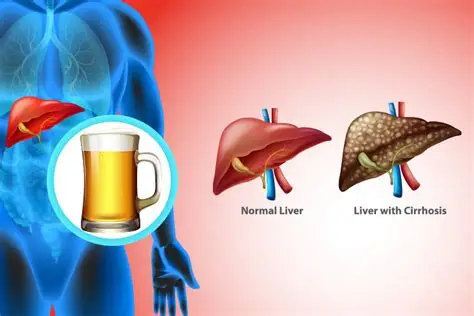
Alcohol-Related Liver DiseaseAlcohol-Related Liver Disease (ARLD) is a group of liver conditions caused by prolonged or excessive alcohol consumption. It can range from early fatty liver changes to more serious…
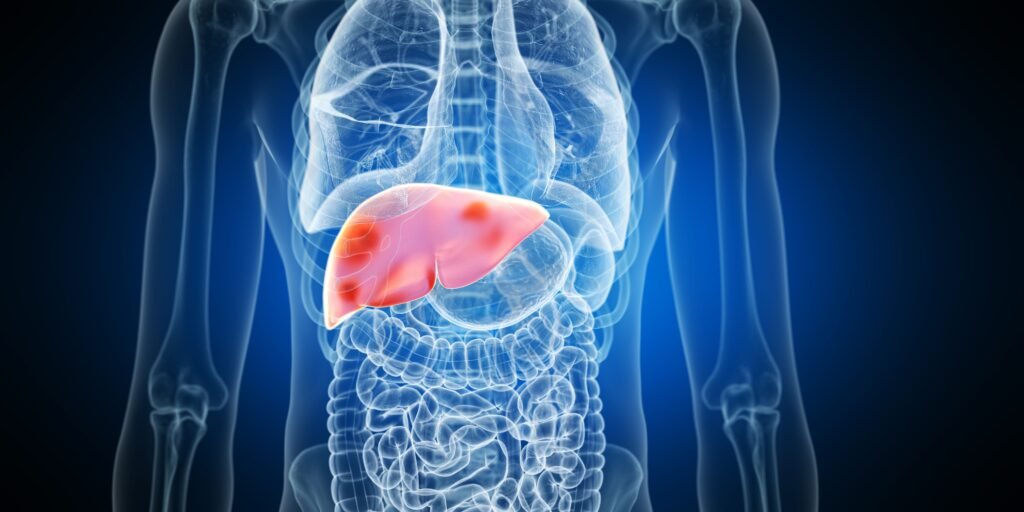
Hepatocellular Carcinoma (Liver Cancer)Hepatocellular Carcinoma (HCC) is the most common primary cancer that develops in the liver. It begins in hepatocytes, the main cells of the liver, and is frequently…
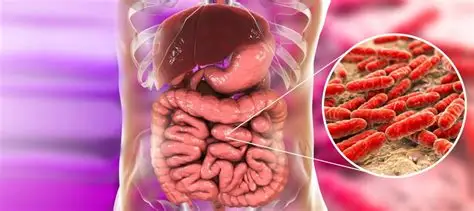
Small Intestinal Bacterial Overgrowth (SIBO)Small Intestinal Bacterial Overgrowth (SIBO) is a gastrointestinal condition in which an excessive number or abnormal types of microorganisms are present in the small intestine. This…
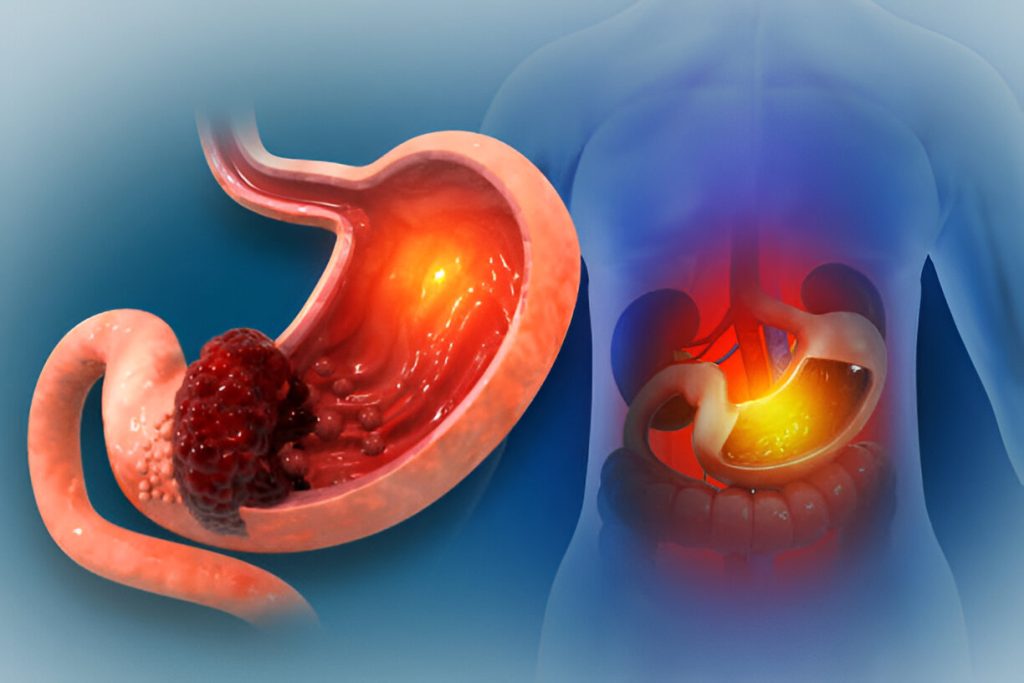
Gastrointestinal Stromal Tumor (GIST)Gastrointestinal Stromal Tumor (GIST) is a type of tumor that develops in the gastrointestinal tract, most commonly in the stomach or small intestine. GISTs arise from specialized…
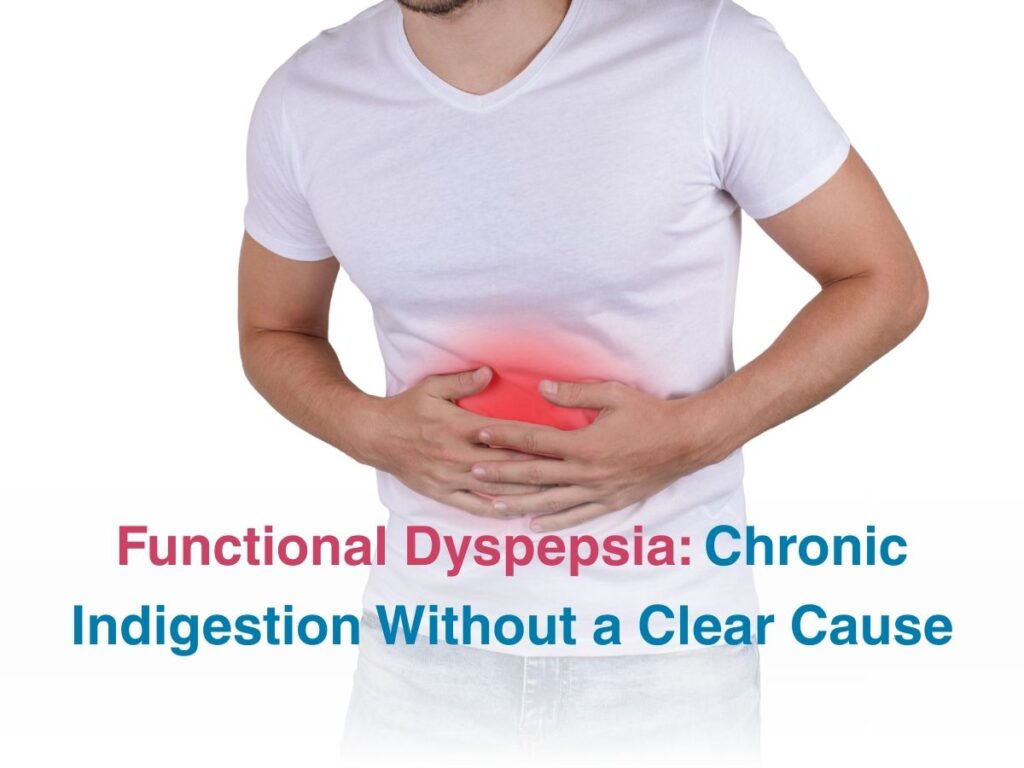
Dyspepsia (Chronic Indigestion)Dyspepsia, commonly known as chronic indigestion, refers to a group of persistent or recurrent symptoms related to the upper digestive system. Patients may experience discomfort or pain in…
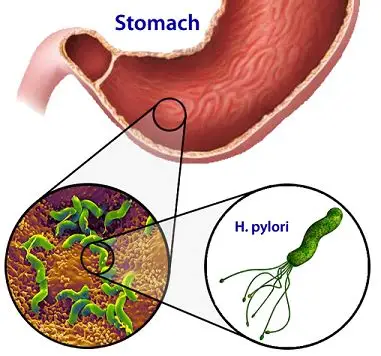
H. pylori InfectionHelicobacter pylori (H. pylori) Infection is a bacterial infection that affects the stomach and can cause persistent inflammation of the stomach lining. It is one of the important…
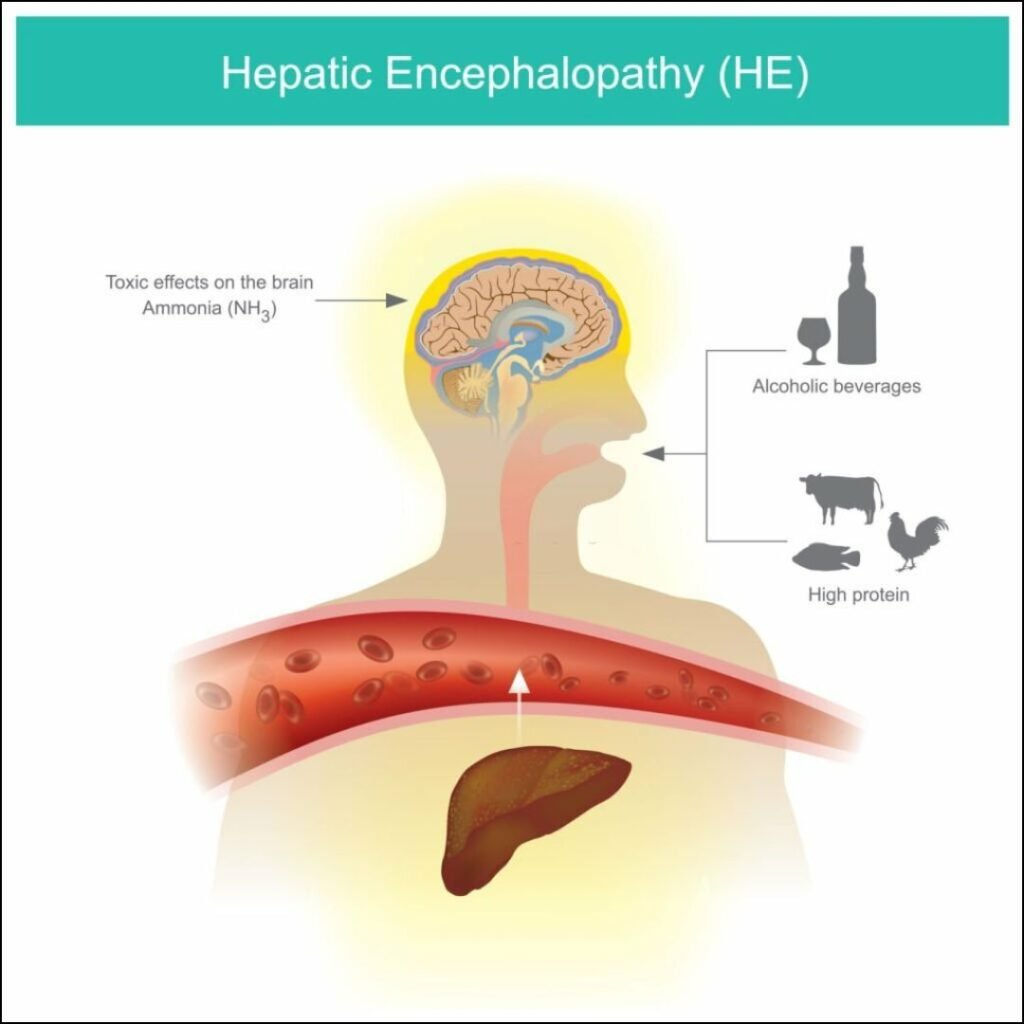
Hepatic EncephalopathyHepatic Encephalopathy (HE) is a neurological complication that can occur when severe liver dysfunction prevents the liver from adequately removing certain toxins from the blood. These substances can affect…
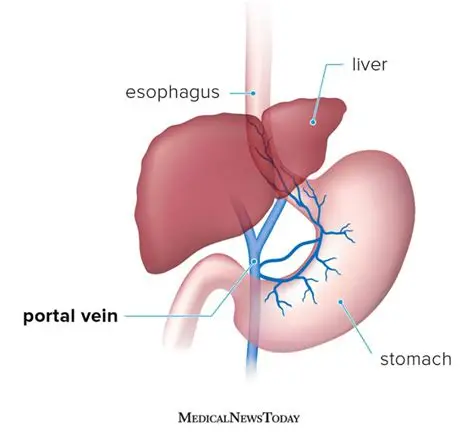
Portal HypertensionPortal Hypertension is a condition in which the blood pressure within the portal venous system becomes abnormally elevated. The portal vein carries blood from the digestive organs and spleen…
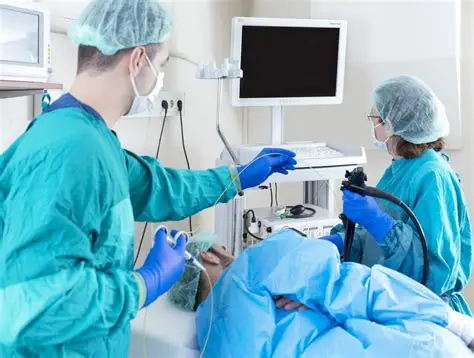
Therapeutic EndoscopyTherapeutic Endoscopy is an advanced minimally invasive approach used to diagnose and treat a wide range of gastrointestinal conditions through an endoscope. Unlike a purely diagnostic endoscopy, therapeutic endoscopy…
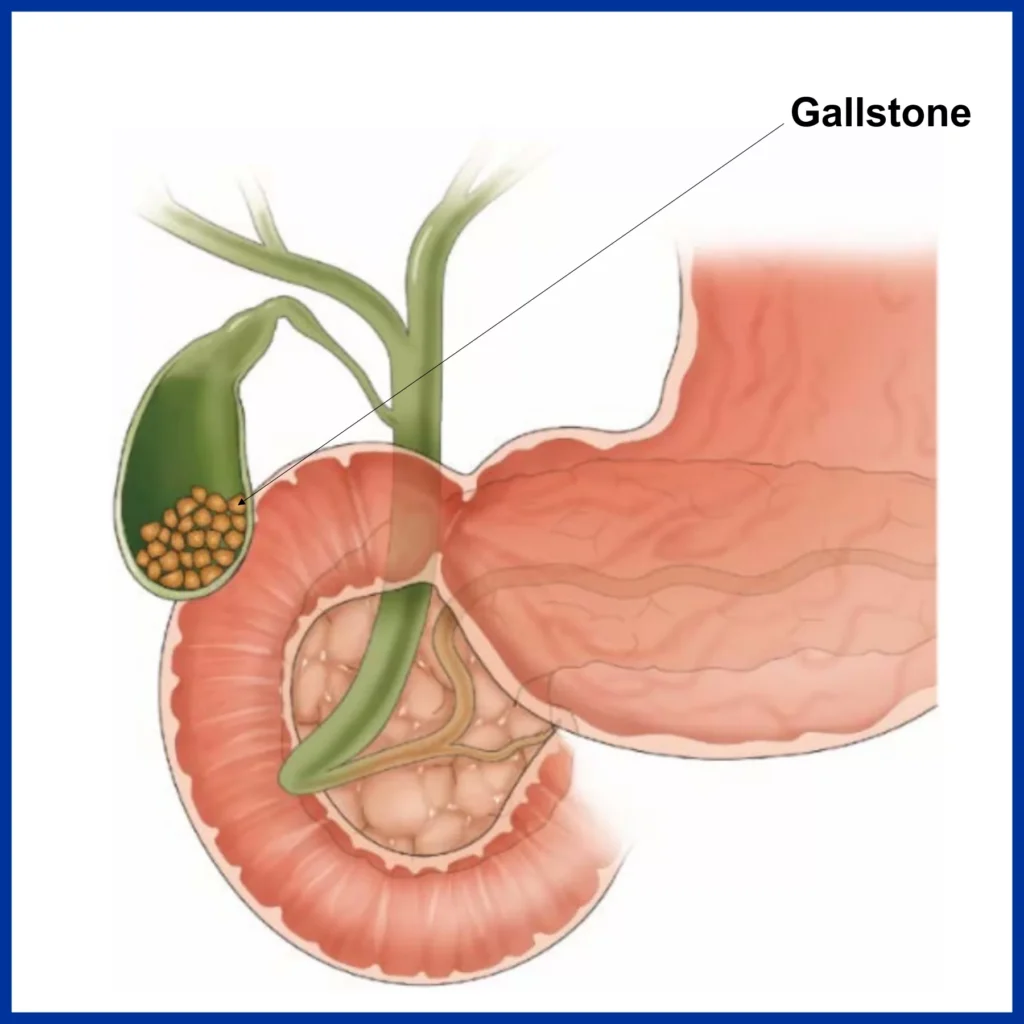
Gallstones & Gallbladder DiseaseGallstones & Gallbladder Disease are common conditions affecting the gallbladder and biliary system. The gallbladder is a small organ located beneath the liver that stores and concentrates…
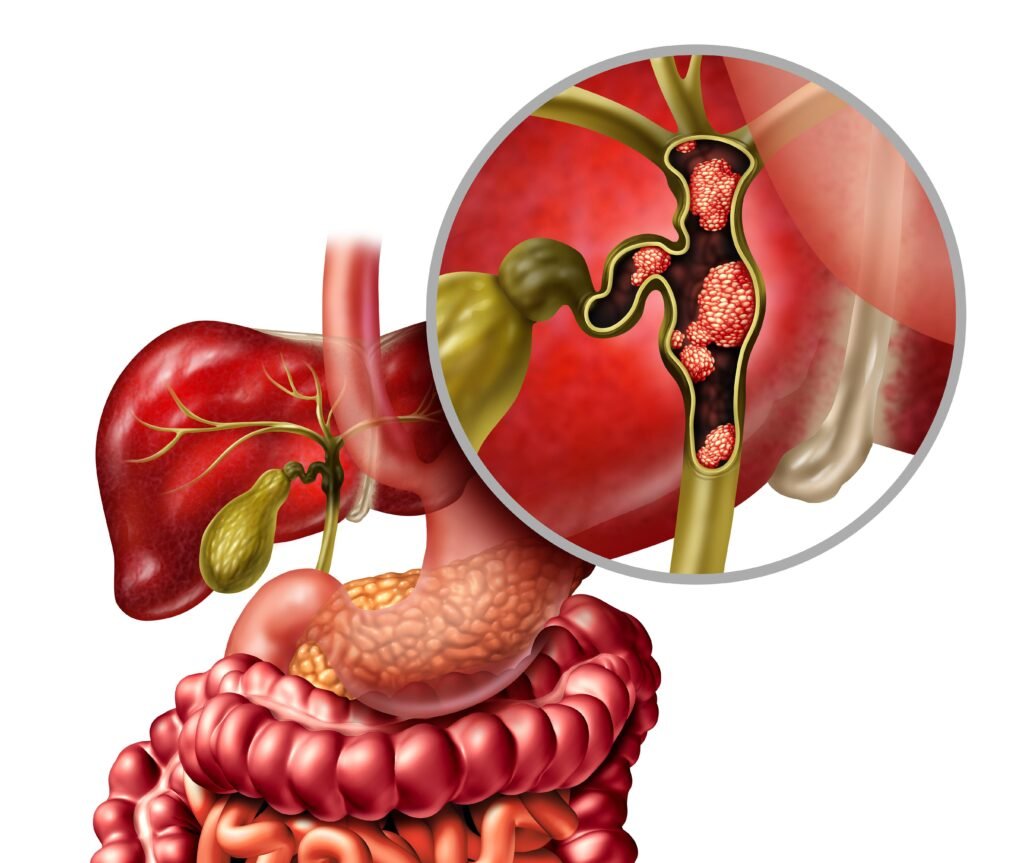
Bile Duct DisordersBile Duct Disorders include a wide range of conditions that affect the tubes responsible for transporting bile from the liver and gallbladder into the small intestine. Bile plays…
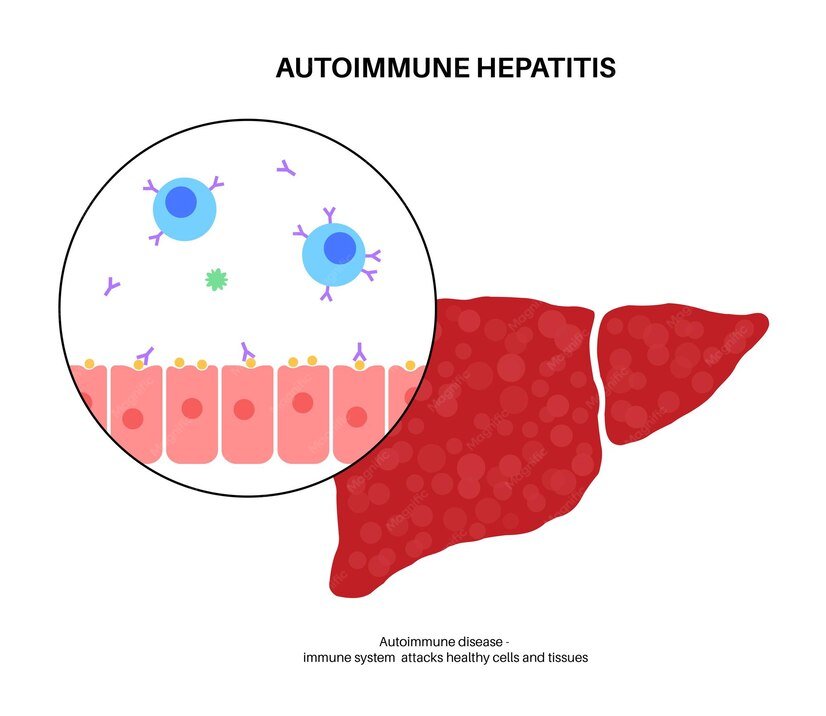
Autoimmune HepatitisAutoimmune Hepatitis (AIH) is a chronic liver condition in which the body's immune system mistakenly attacks healthy liver cells, causing inflammation and, if left untreated, progressive liver damage. Early…
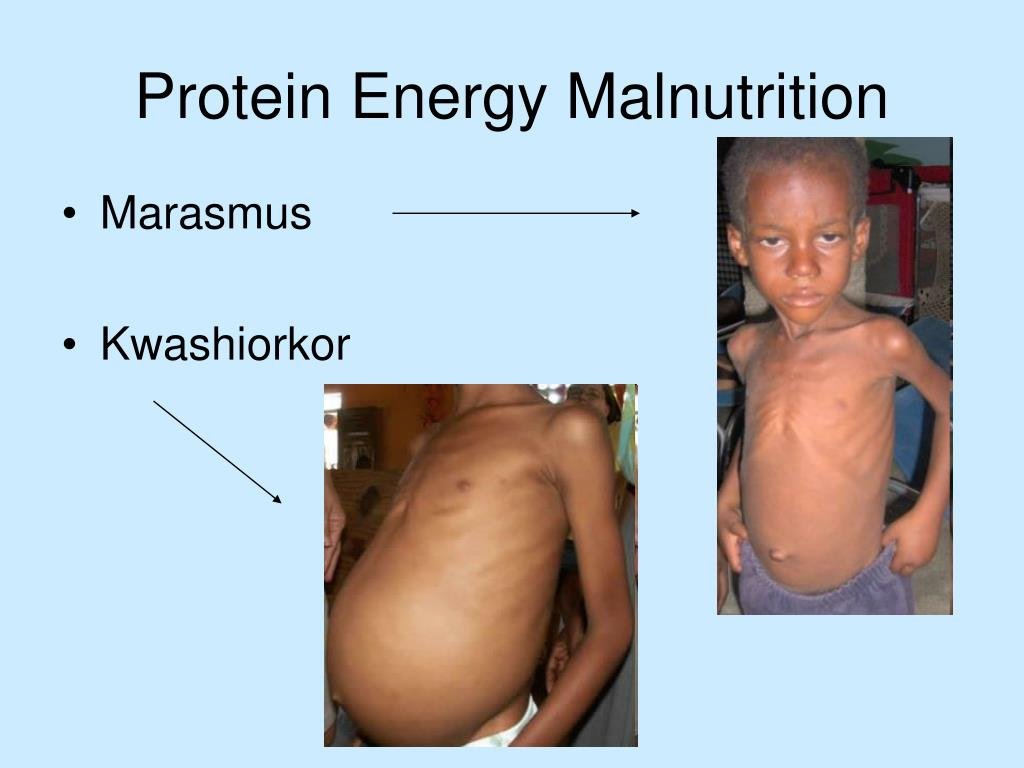
Malnutrition ManagementMalnutrition is a condition in which the body does not receive, absorb, or properly utilize adequate energy, protein, vitamins, or minerals to meet its nutritional needs. It can occur…
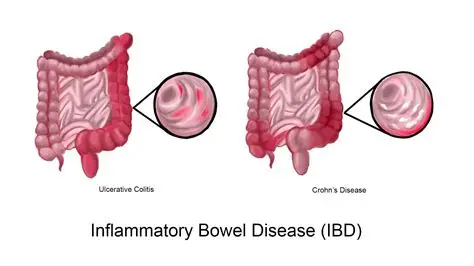
Nutrition in Inflammatory Bowel Disease (IBD)Nutrition is an important part of comprehensive care for patients with Inflammatory Bowel Disease (IBD), including Crohn’s Disease and Ulcerative Colitis. IBD can affect the…

Nutrition in Gastrointestinal DisordersNutrition plays an important role in the prevention, management, and recovery of many gastrointestinal disorders. The digestive system is responsible for breaking down food, absorbing nutrients, maintaining…
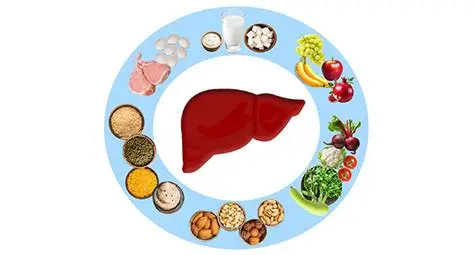
Nutrition in Liver DiseasesNutrition is an essential component of comprehensive liver disease management. The liver plays a central role in metabolism, digestion, nutrient processing, energy storage, and the regulation of…

Nutritional Assessment & CounselingNutritional Assessment & Counseling is an important part of comprehensive gastrointestinal and liver care. Proper nutrition plays a major role in digestion, bowel function, liver health, metabolism,…
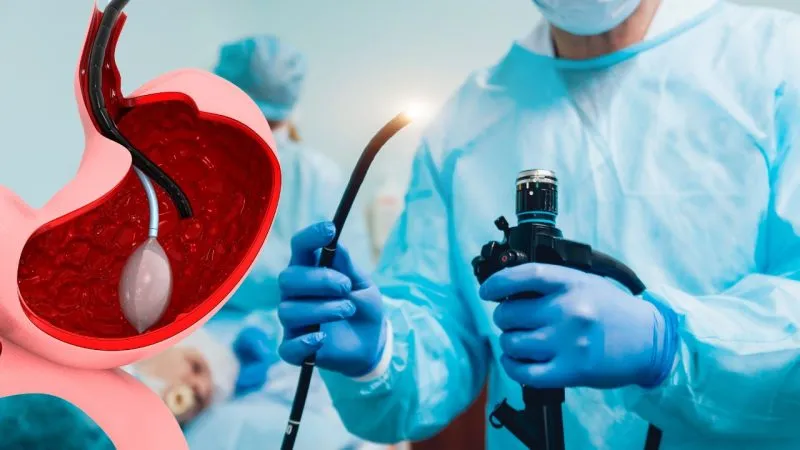
Intragastric Balloon RemovalIntragastric Balloon Removal is an endoscopic procedure performed to safely remove a temporary gastric balloon from the stomach after the recommended treatment period has been completed or when…
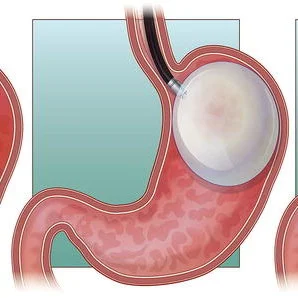
Endoscopic Intragastric Balloon PlacementEndoscopic Intragastric Balloon Placement is a minimally invasive, non-surgical weight-management procedure in which a specially designed balloon is placed inside the stomach to occupy part of the…
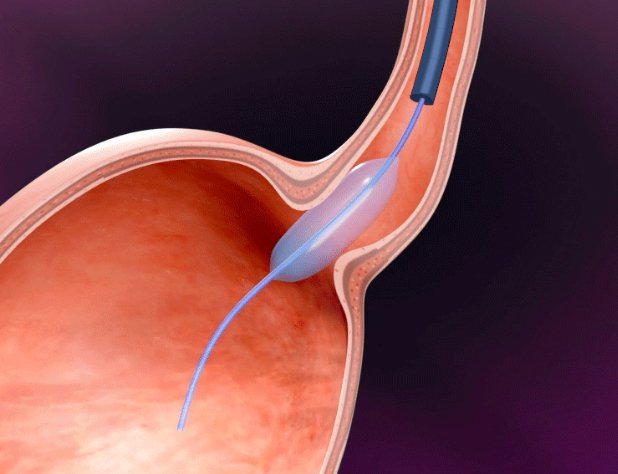
Esophageal Balloon DilatationEsophageal Balloon Dilatation is a minimally invasive endoscopic procedure used to widen a narrowed section of the esophagus and improve the passage of food and liquids. Esophageal narrowing,…
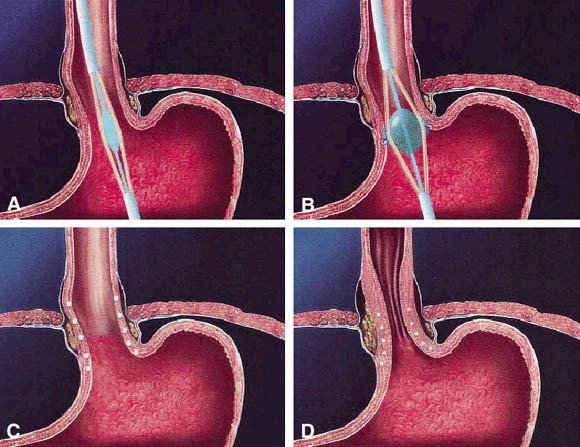
Esophageal DilatationEsophageal Dilatation is an endoscopic procedure used to widen a narrowed or obstructed area of the esophagus, the muscular tube that carries food and liquids from the mouth to…
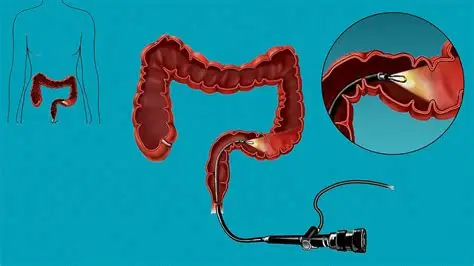
Flexible Sigmoidoscopy: Procedure, Preparation, Uses, Benefits, and RecoveryFlexible Sigmoidoscopy is a minimally invasive endoscopic procedure used to examine the inner lining of the rectum and lower part of the colon.…
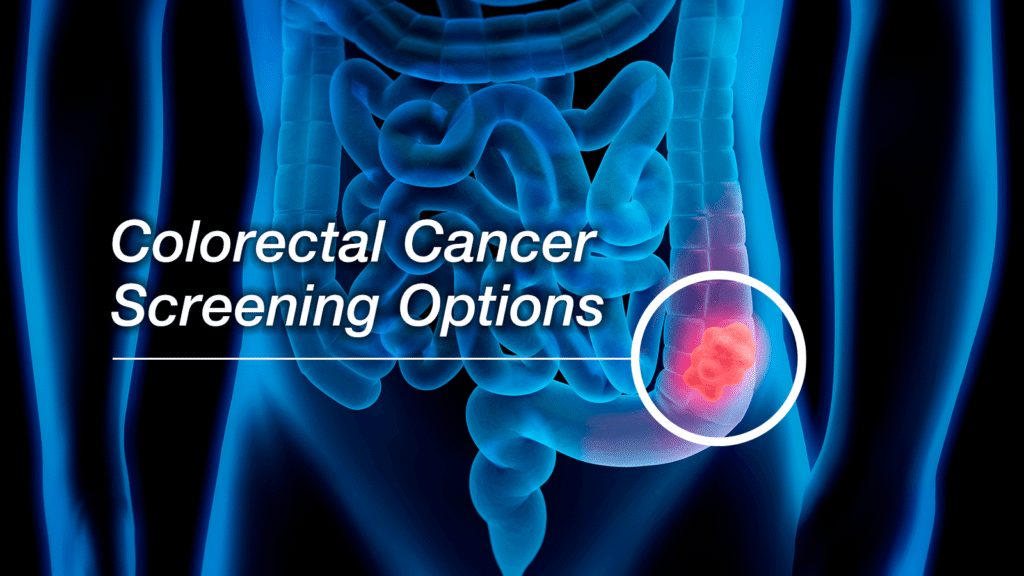
Colorectal Cancer Screening: Importance, Screening Methods, Preparation, and Early DetectionColorectal Cancer Screening is an important preventive healthcare service designed to detect colorectal cancer at an early stage or identify precancerous…
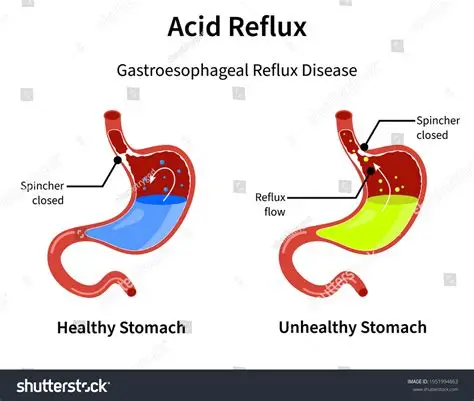
Acid Reflux & GERD: Causes, Symptoms, Diagnosis, Treatment, and Long-Term ManagementAcid Reflux, medically known as Gastroesophageal Reflux (GER), occurs when stomach contents flow back into the esophagus. Occasional reflux is…
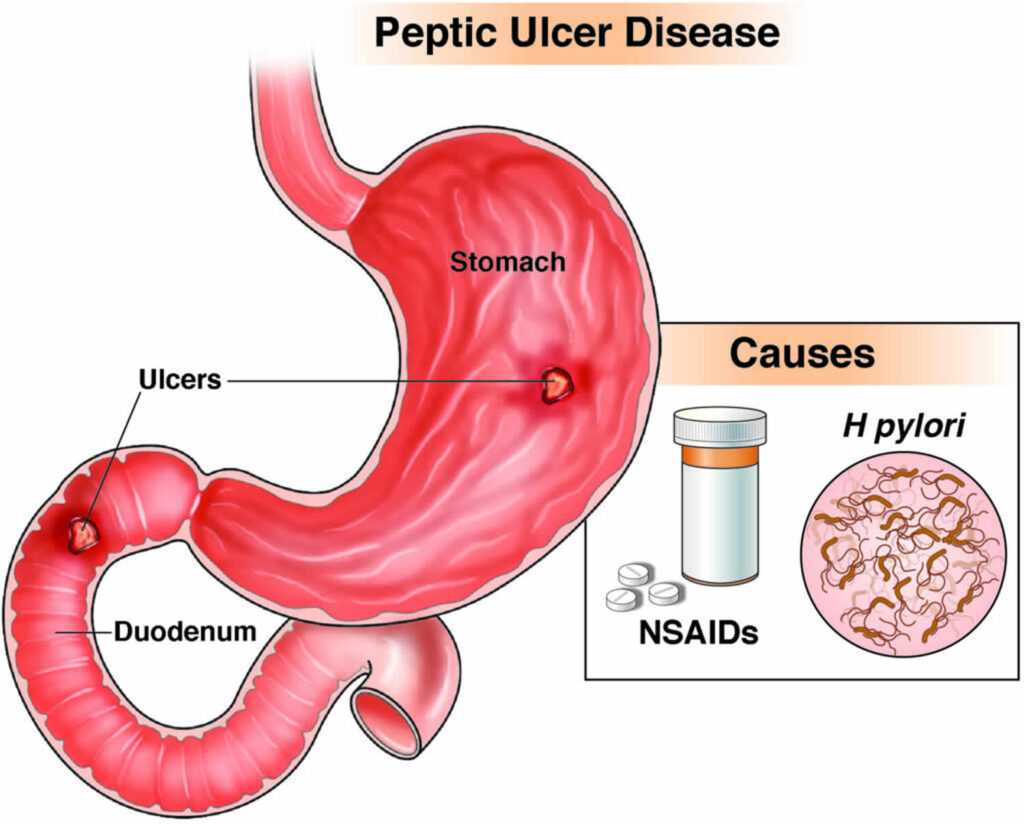
Peptic Ulcer Disease: Causes, Symptoms, Diagnosis, Treatment, and PreventionPeptic Ulcer Disease (PUD) is a condition in which an open sore, or ulcer, develops in the lining of the stomach or…
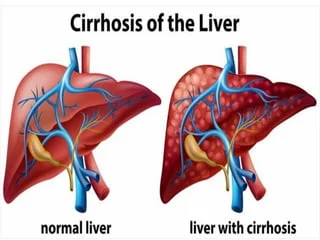
Liver Cirrhosis: Causes, Symptoms, Diagnosis, Treatment, Complications, and Long-Term ManagementLiver Cirrhosis is a chronic condition in which healthy liver tissue is gradually replaced by scar tissue. As fibrosis and scarring…
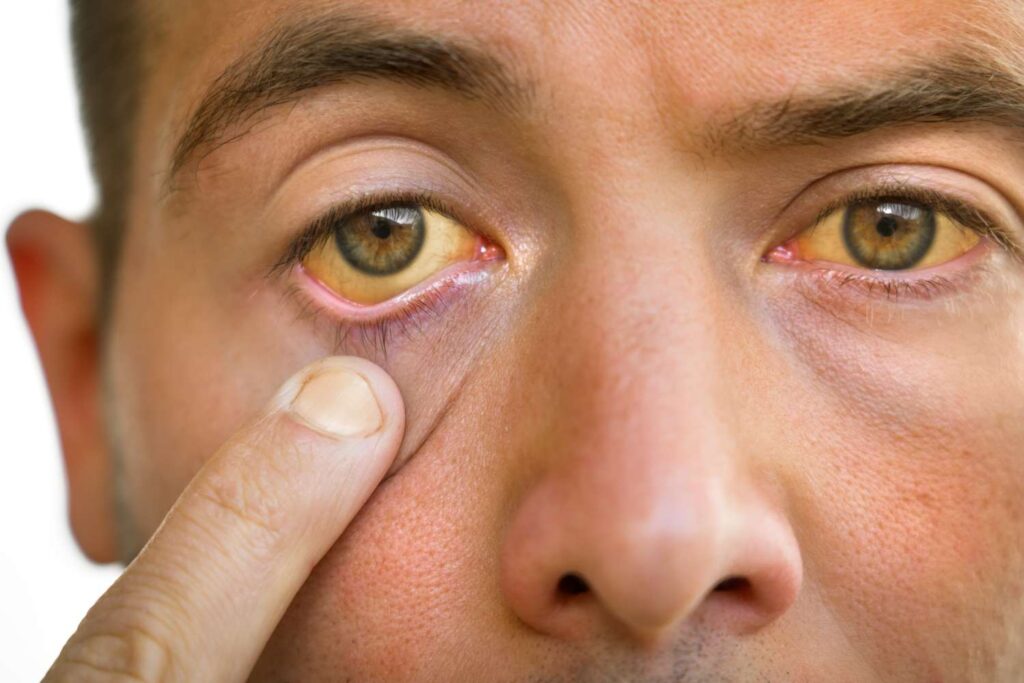
Jaundice: Causes, Symptoms, Diagnosis, Treatment, and When to Seek Medical CareJaundice, also known as icterus, is a condition in which the skin and the whites of the eyes become yellow…
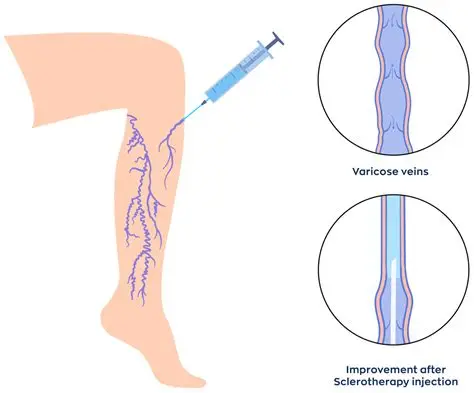
Fundal Varices Sclerotherapy – Detailed Step-by-Step DescriptionFundal Varices Sclerotherapy is an endoscopic treatment used to manage gastric fundal varices, which are enlarged veins located in the fundus (upper portion) of…
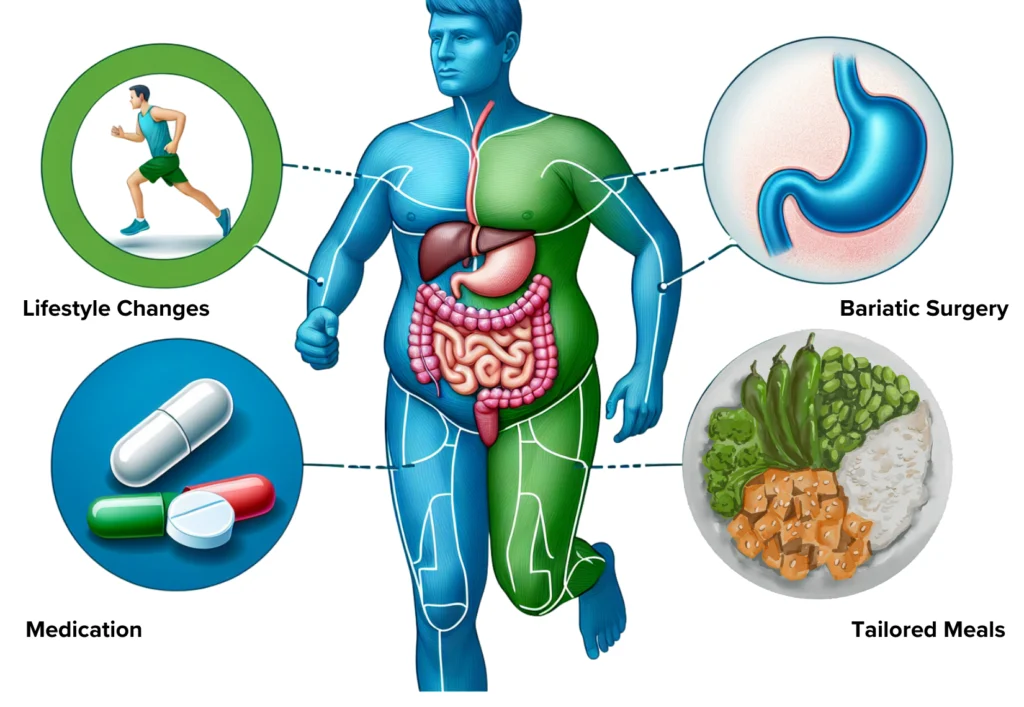
Obesity Management with MedicationsObesity Management with Medications is a structured medical approach designed to help individuals achieve and maintain healthy weight loss through appropriate assessment, personalized treatment, lifestyle modification, and…

Endoscopy (Upper GI Endoscopy)Upper GI Endoscopy, also known as Esophagogastroduodenoscopy (EGD), is a minimally invasive diagnostic and therapeutic procedure used to examine the upper part of the digestive system. It…
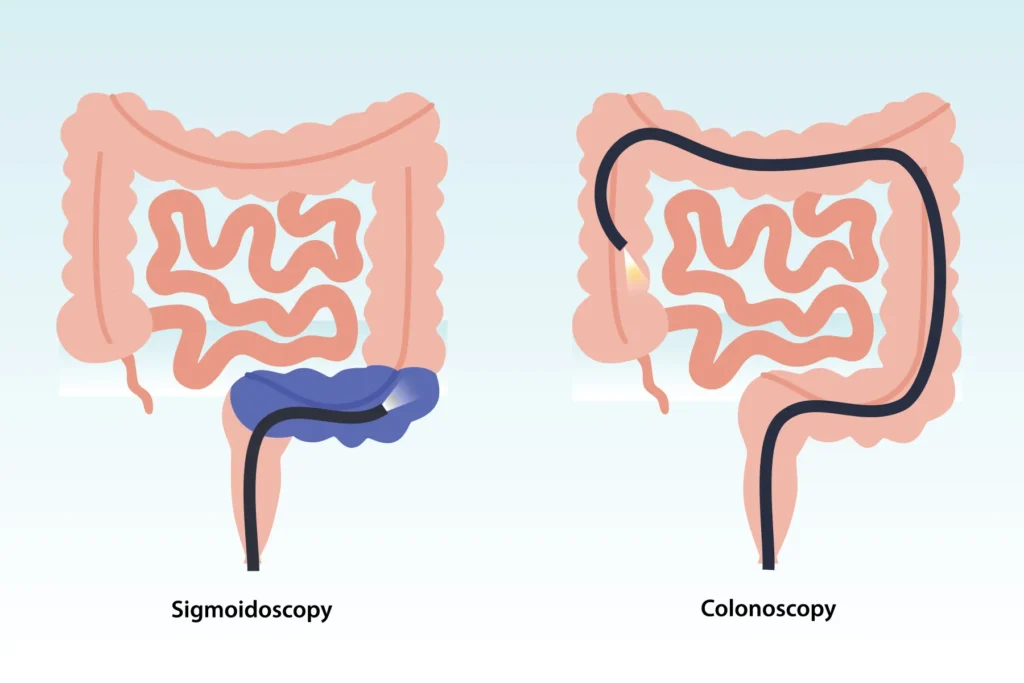
ColonoscopyColonoscopy is a minimally invasive endoscopic procedure used to examine the inner lining of the large intestine (colon) and rectum. It is commonly performed to investigate symptoms such as abdominal…
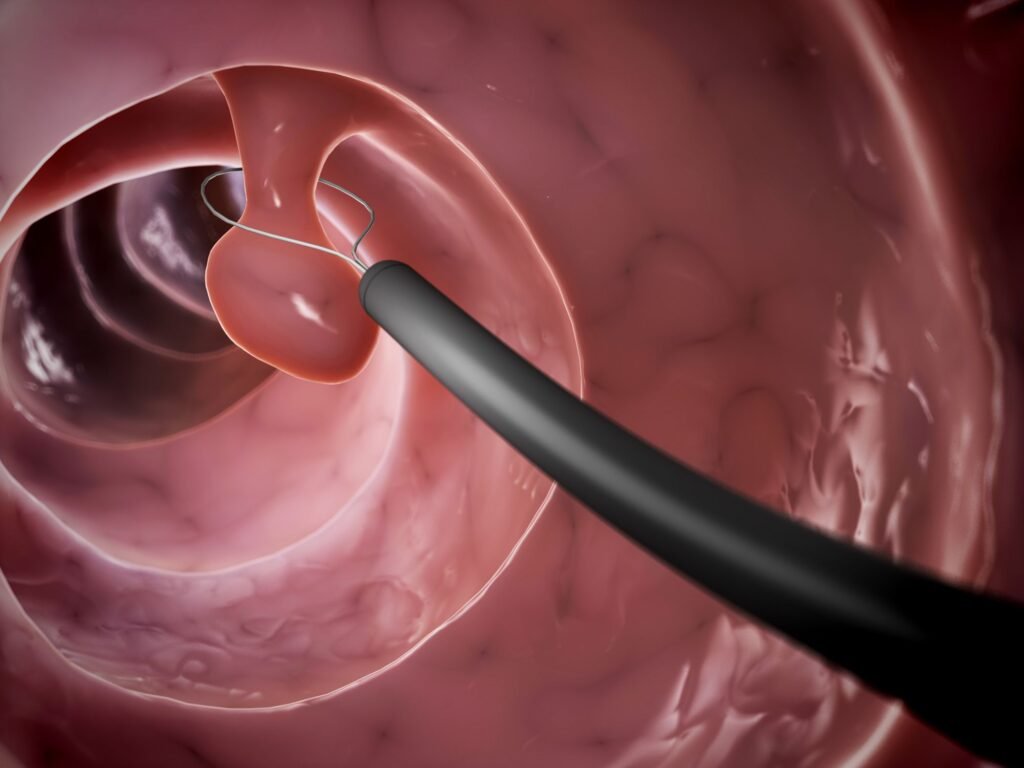
PolypectomyPolypectomy is an endoscopic procedure used to safely remove abnormal growths called polyps from the digestive tract, most commonly from the colon and rectum. Removing polyps helps prevent potential complications…
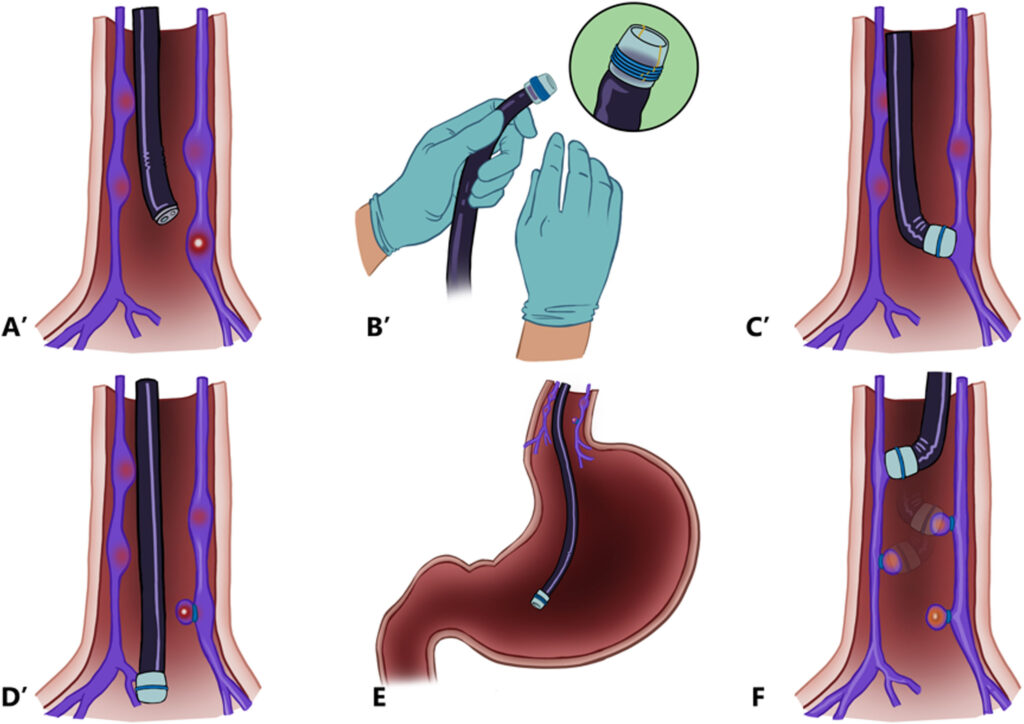
Esophageal Variceal Band Ligation (EVL)Esophageal Variceal Band Ligation (EVL) is a minimally invasive endoscopic procedure used to treat enlarged veins, known as esophageal varices, in the esophagus. These varices most…
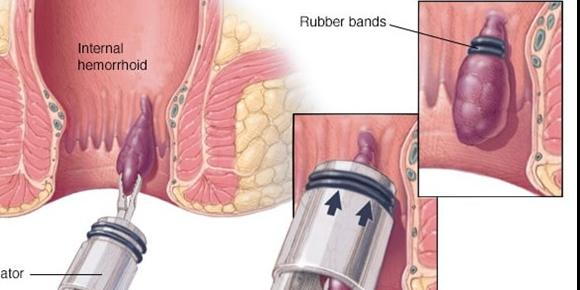
Hemorrhoidal Band Ligation – Evaluation & TreatmentHemorrhoidal Band Ligation is a minimally invasive treatment commonly used for suitable internal hemorrhoids, particularly when symptoms such as rectal bleeding, prolapse, discomfort, or…

Chronic Diarrhea – Comprehensive Evaluation & ManagementChronic diarrhea refers to loose or frequent bowel movements that persist for several weeks or longer. It can result from a variety of gastrointestinal,…

Abdominal Pain – Comprehensive Evaluation & ManagementAbdominal pain can occur due to a wide range of conditions involving the stomach, intestines, liver, gallbladder, pancreas, urinary system, or other abdominal organs.…
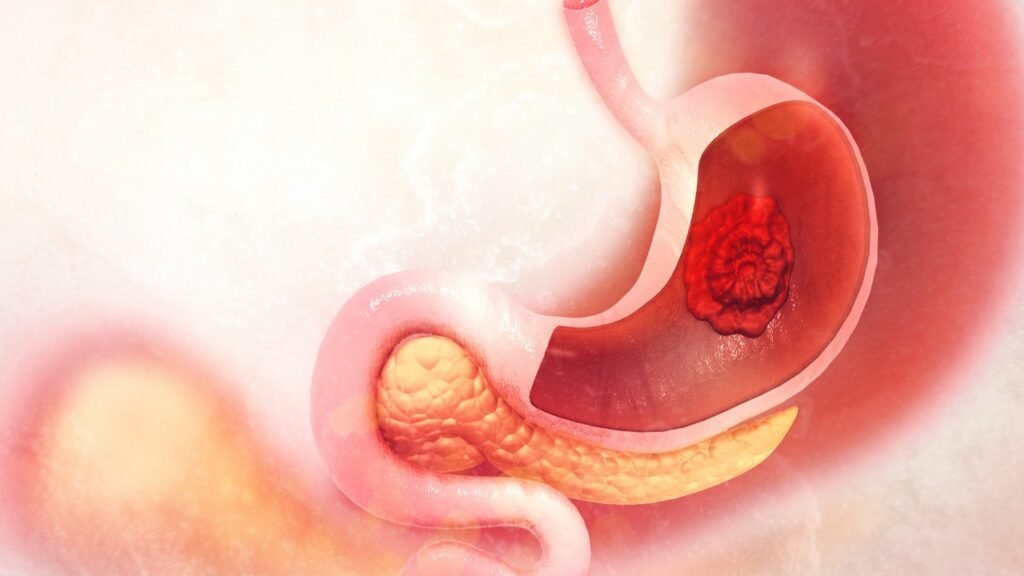
GI Bleeding ManagementGastrointestinal (GI) bleeding refers to bleeding anywhere within the digestive tract, from the esophagus and stomach to the small intestine, colon, and rectum. It may range from mild…
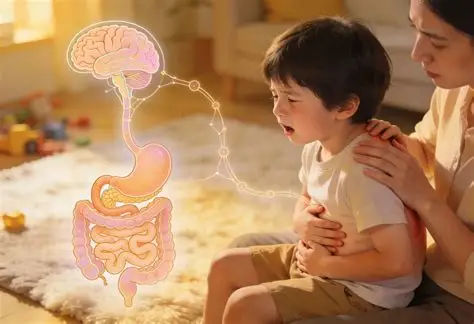
Pediatric Gut DiseasesPediatric Gut Diseases include a wide range of digestive and gastrointestinal conditions affecting infants, children, and adolescents. These conditions may involve the stomach, intestines, and other parts of…

Abdominal Paracentesis (Ascites Fluid Drainage)Abdominal Paracentesis is a minimally invasive procedure used to remove excess fluid (ascites) from the abdominal cavity. It may be performed to relieve abdominal discomfort and…
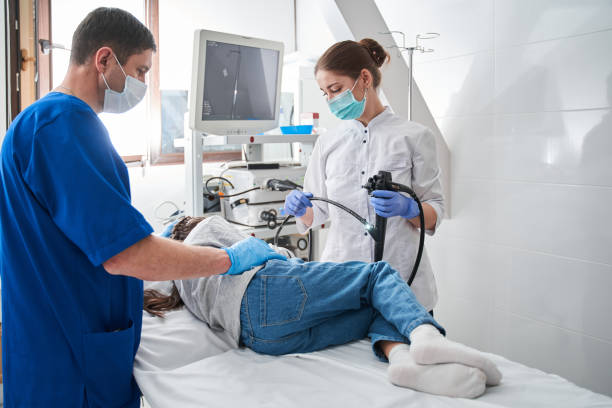
Pediatric GastroscopyPediatric Gastroscopy is an advanced endoscopic procedure used to examine the upper digestive system in children and adolescents. It allows the specialist to directly evaluate the esophagus, stomach, and…
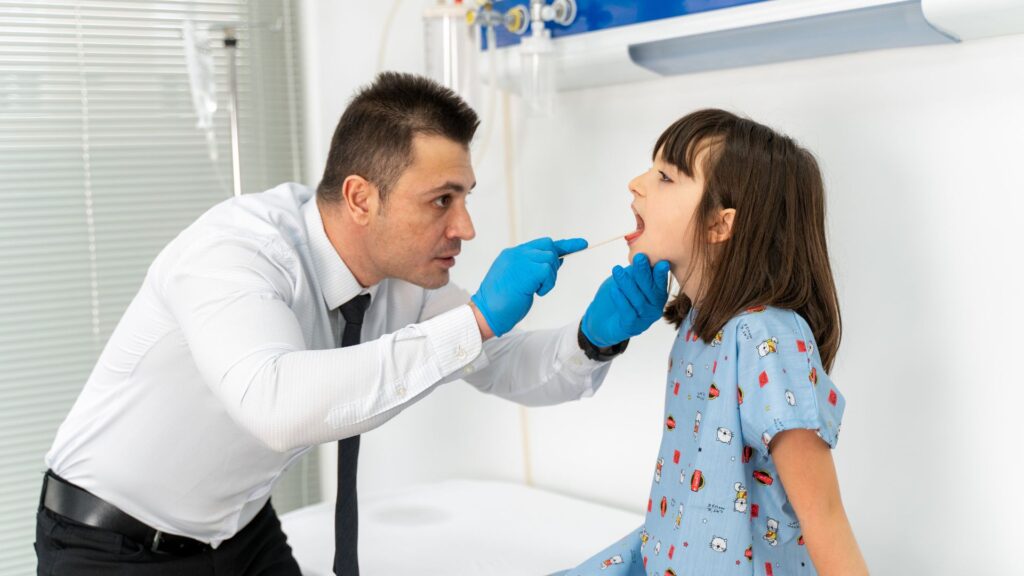
Pediatric ColonoscopyPediatric Colonoscopy is an advanced endoscopic procedure used to examine the inside of the large intestine (colon) and rectum in children and adolescents. It helps doctors investigate symptoms such…
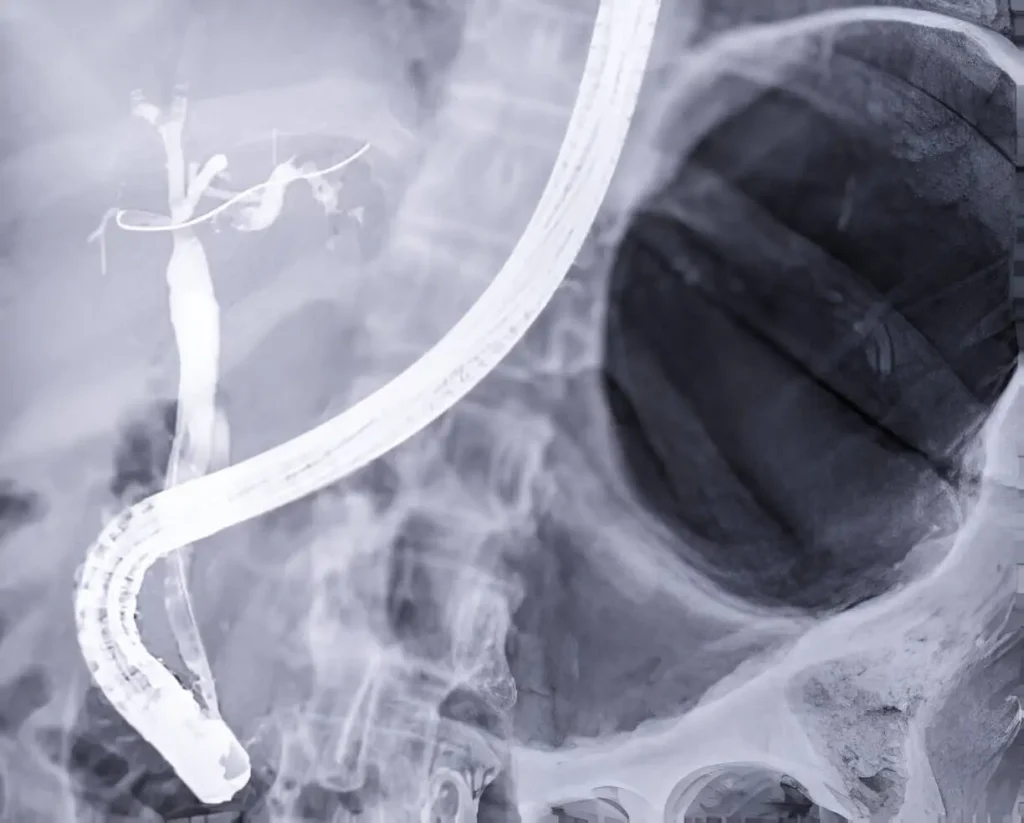
ERCP (Endoscopic Retrograde Cholangiopancreatography)Endoscopic Retrograde Cholangiopancreatography (ERCP) is an advanced endoscopic procedure used to diagnose and treat conditions affecting the bile ducts, gallbladder drainage system, and pancreatic ducts. It combines…
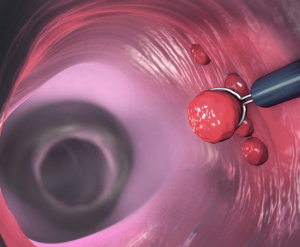
EMR (Endoscopic Mucosal Resection)Endoscopic Mucosal Resection (EMR) is a minimally invasive endoscopic procedure used to remove selected abnormal, precancerous, or early-stage lesions from the superficial lining of the digestive tract.…
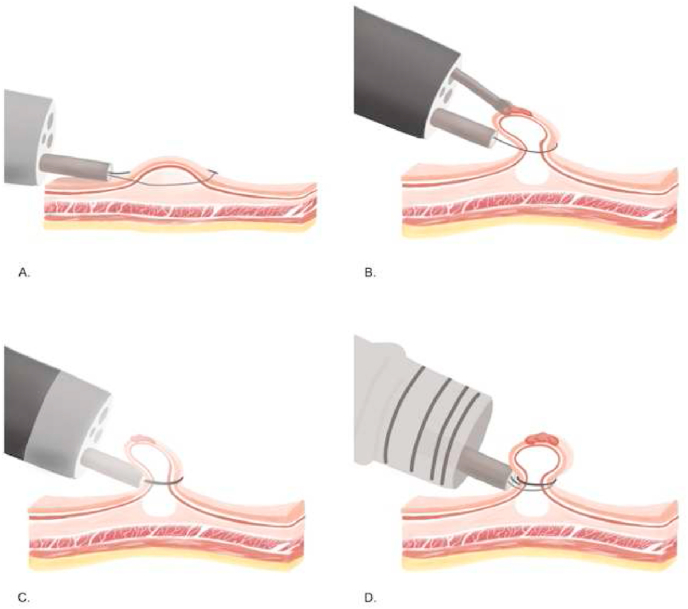
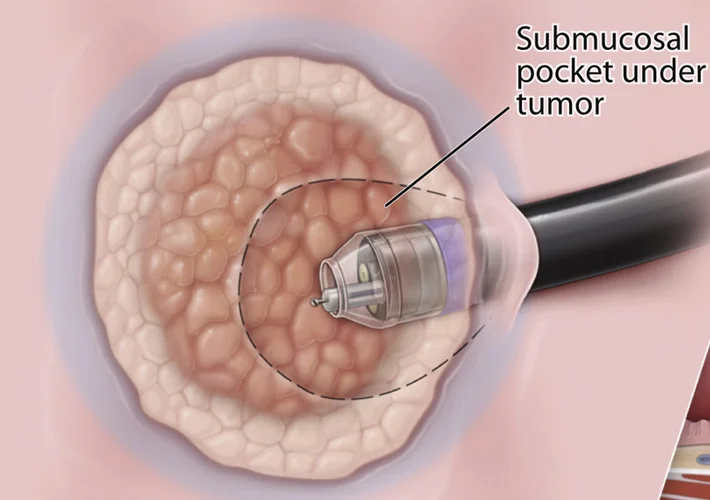
ESD (Endoscopic Submucosal Dissection)Endoscopic Submucosal Dissection (ESD) is an advanced minimally invasive endoscopic procedure used to remove selected abnormal or early-stage lesions from the lining of the digestive tract. It…
Pancreatic ConditionsThe pancreas is an important organ located behind the stomach that plays a vital role in digestion and blood sugar regulation. Pancreatic conditions can affect the digestive system, metabolism,…
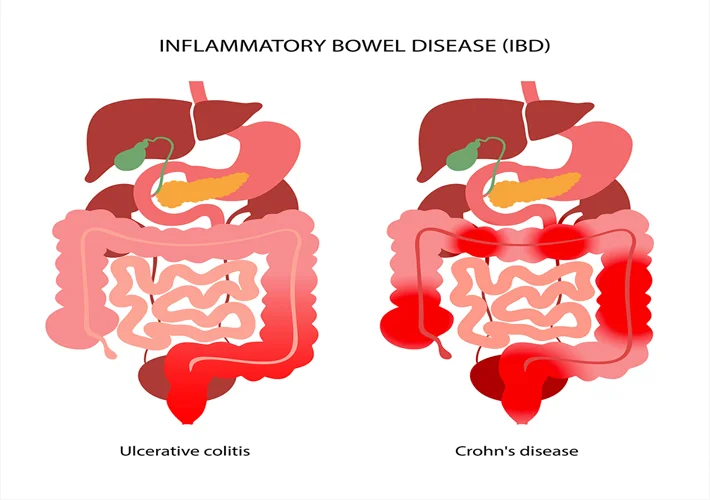
GI Infectious & Ulcerative Disorders1. Initial AssessmentDetailed medical history and physical examination to assess symptoms such as abdominal pain, nausea, vomiting, diarrhea, indigestion, loss of appetite, or gastrointestinal bleeding.2. Clinical…
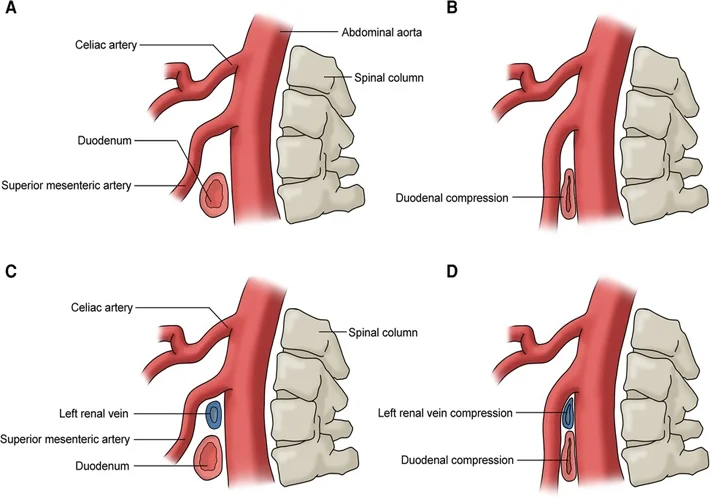
Vascular Compression Syndromes1. Initial AssessmentDetailed medical history and physical examination to identify symptoms such as pain, swelling, heaviness, numbness, or changes in circulation.2. Diagnostic EvaluationAssessment of blood flow and the…
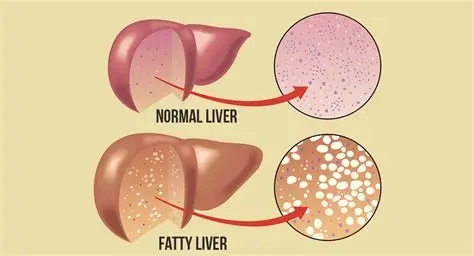
Liver ConditionsLiver Cancer (Hepatocellular Carcinoma)Definition: Primary malignancy arising in chronically diseased liver.Risk Factors: Cirrhosis, hepatitis B/C, fatty liver.Diagnosis: Triphasic CT/MRI; AFP marker; biopsy if needed.Treatment: Resection, ablation, transplant, or TACE…
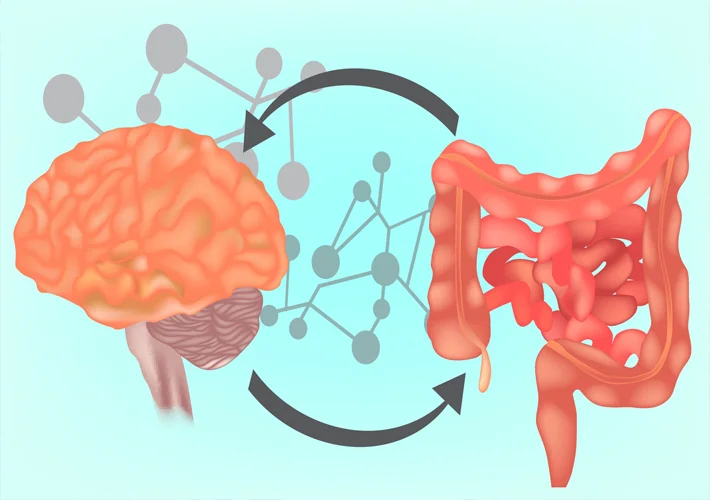
Gut–Brain Axis & Functional DisordersGut–Brain AxisDefinition: Bi-directional communication between the GI tract and central nervous system via neural, hormonal, and immune pathways.Importance: Influences motility, sensitivity, and mood; targeted by diet,…
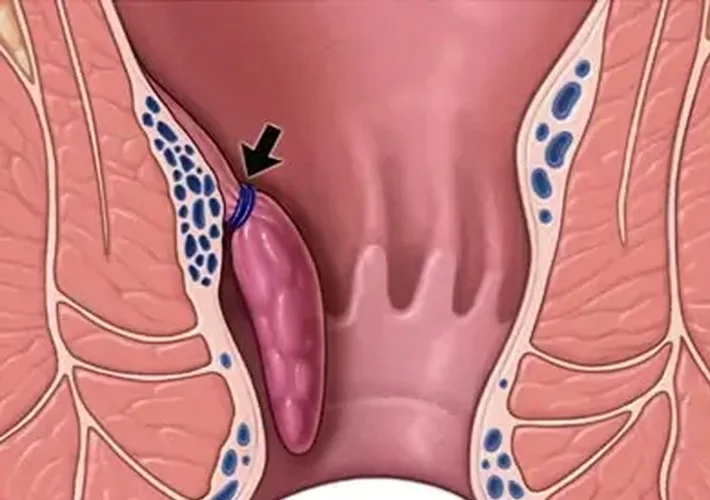
Hemorrhoidal Band LigationRubber bands placed on internal hemorrhoids to cut off blood supply.Why it’s done:Bleeding or prolapsing hemorrhoidsFailed medical treatmentPreparation:Light dietEnema may be advisedWhat to expect:No sedation neededBands placed via…
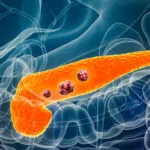
Pancreatic CancerPancreatic cancer arises when abnormal cells in the pancreas grow uncontrollably, forming a tumor. It most often involves the exocrine cells (adenocarcinoma) and can spread locally or to distant…
