GI Infectious & Ulcerative Disorders
1. Initial Assessment
Detailed medical history and physical examination to assess symptoms such as abdominal pain, nausea, vomiting, diarrhea, indigestion, loss of appetite, or gastrointestinal bleeding.
2. Clinical Evaluation
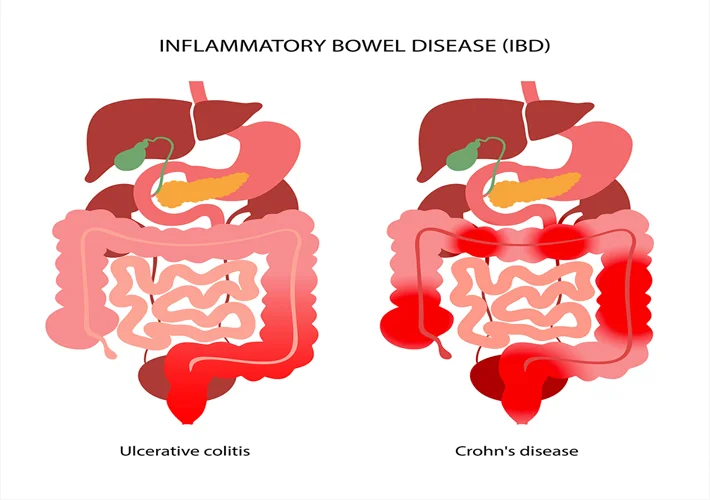
Assessment of the severity, duration, and possible causes of gastrointestinal infection or ulcer-related symptoms.
3. Diagnostic Investigations
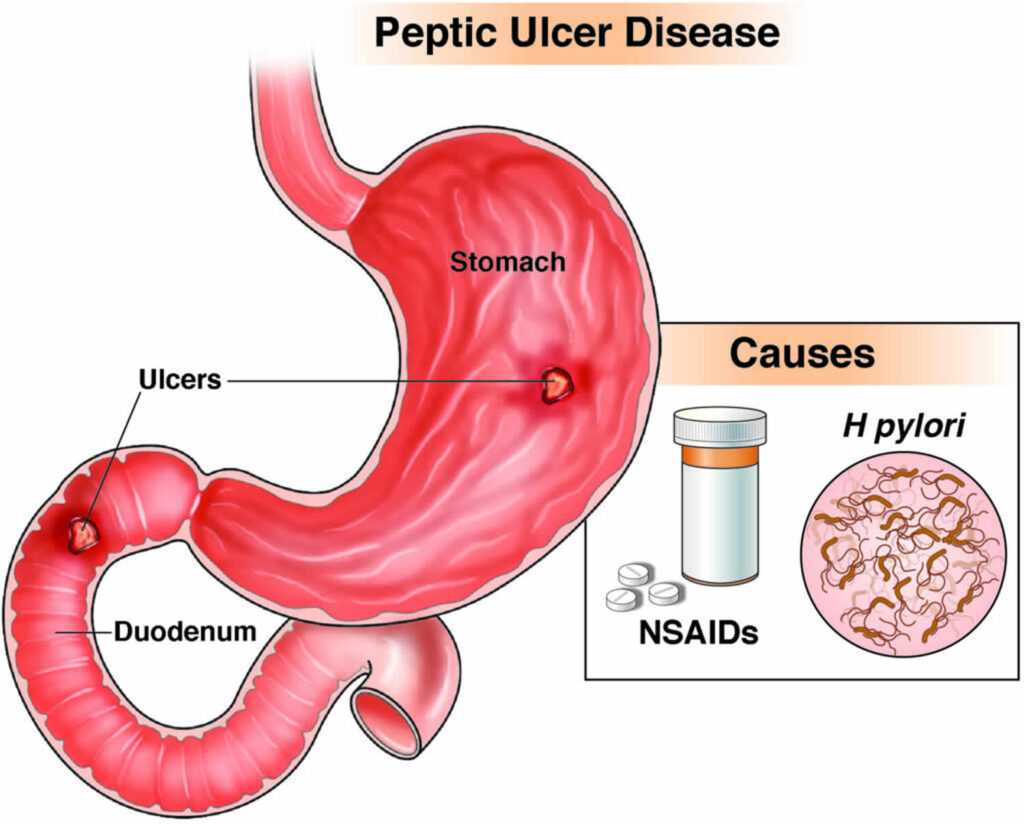
Appropriate tests may include blood tests, stool examination, H. pylori testing, and other investigations based on the patient's symptoms and clinical findings.
4. Endoscopic Evaluation
Upper GI endoscopy may be recommended when necessary to examine the esophagus, stomach, and duodenum and to identify ulcers, inflammation, bleeding, or other abnormalities.
5. Diagnosis & Treatment Planning
A personalized treatment plan is developed according to the underlying infection, ulcer disease, symptoms, and investigation results.
6. Medical Management
Treatment may include appropriate medications for infection or ulcer disease, acid suppression therapy, symptom control, dietary guidance, and other supportive measures as clinically indicated.
7. Follow-Up & Monitoring
Regular follow-up is advised to monitor symptom improvement, treatment response, healing, and recurrence, with further investigations when required.