Peptic Ulcer Disease: Causes, Symptoms, Diagnosis, Treatment, and Prevention
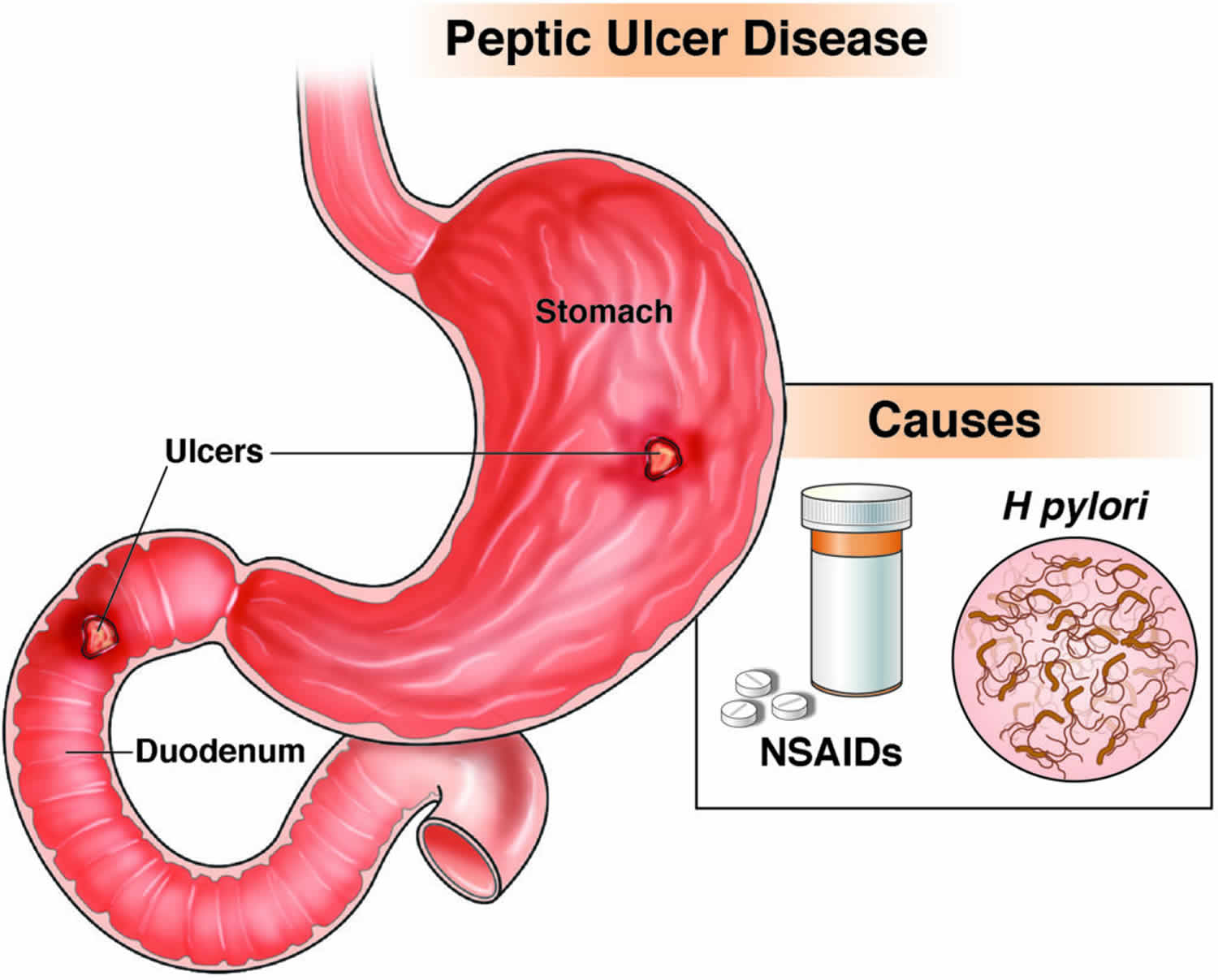
Peptic Ulcer Disease (PUD) is a condition in which an open sore, or ulcer, develops in the lining of the stomach or the first part of the small intestine called the duodenum. Peptic ulcers can occur when the protective lining of the digestive tract becomes damaged, allowing stomach acid and digestive enzymes to irritate the underlying tissue. The two most common causes are Helicobacter pylori (H. pylori) infection and the prolonged or inappropriate use of nonsteroidal anti-inflammatory drugs (NSAIDs) such as aspirin, ibuprofen, and naproxen.
Although some ulcers may cause mild or intermittent symptoms, untreated peptic ulcer disease can sometimes lead to serious complications, including gastrointestinal bleeding, perforation, penetration, or blockage of the digestive tract. Early diagnosis and appropriate treatment are therefore important.
Step 1: Understanding What a Peptic Ulcer Is
The stomach and duodenum have protective mechanisms that help shield their lining from digestive acid. When these protective mechanisms are weakened or disrupted, an ulcer may form.
A peptic ulcer can occur in:
The stomach, where it is called a gastric ulcer
The duodenum, where it is called a duodenal ulcer
The severity and symptoms of an ulcer can vary from person to person. Some individuals may have significant symptoms, while others may not experience noticeable symptoms until a complication develops.
Step 2: Understanding the Main Causes
Identifying the underlying cause is one of the most important steps in managing peptic ulcer disease.
1. H. pylori Infection
Helicobacter pylori (H. pylori) is a bacterium that can infect the stomach lining and is one of the most common causes of peptic ulcers. The infection can interfere with the normal protective mechanisms of the stomach and contribute to ulcer formation.
When H. pylori infection is identified, treatment is aimed at eliminating the infection as well as helping the ulcer heal.
2. NSAID Use
Nonsteroidal anti-inflammatory drugs, commonly known as NSAIDs, include medicines such as aspirin, ibuprofen, and naproxen.
These medicines can reduce the stomach's natural protection and increase the risk of developing ulcers, particularly when used for a long period, at high doses, or together with other medicines that increase gastrointestinal risk. The risk may also be higher when NSAID use occurs in a person who has H. pylori infection.
3. Other Less Common Causes
In some patients, ulcers may develop from less common causes, including certain infections, inflammatory diseases, medication-related injury, reduced blood flow, or conditions that cause excessive stomach acid production. Rarely, an ulcer may have no identifiable cause and may be described as an idiopathic ulcer.
Step 3: Recognizing the Symptoms
The most common symptom of peptic ulcer disease is pain or discomfort in the upper abdomen.
Patients may describe the pain as:
Burning
Dull or aching
Intermittent
Worse when the stomach is empty
Sometimes occurring at night
Occasionally affected by eating
Other symptoms may include:
Indigestion
Bloating
Belching
Nausea
Vomiting
Feeling full very quickly
Feeling uncomfortably full after eating
Reduced appetite
Not everyone with a peptic ulcer develops symptoms. Some ulcers may remain unnoticed until they cause bleeding or another complication.
Step 4: Recognizing Warning Signs of a Complication
Certain symptoms may indicate that an ulcer is bleeding or has caused another serious complication.
Seek urgent medical attention if there is:
Black or tarry stool
Blood in the stool
Vomiting blood
Vomit that looks like coffee grounds
Sudden or severe abdominal pain that does not improve
Severe weakness
Dizziness or fainting
Rapid heartbeat or other symptoms suggesting significant blood loss
These symptoms can indicate gastrointestinal bleeding or another ulcer complication and require prompt medical assessment.
Step 5: Identifying Risk Factors
Some people have a higher risk of developing peptic ulcer disease.
Risk factors may include:
H. pylori infection
Long-term NSAID use
Previous history of peptic ulcers
Smoking
Older age
Certain medical conditions
Use of other medicines that can increase gastrointestinal risk
A detailed medication history is particularly important because patients may use over-the-counter pain medicines without realizing that they can contribute to ulcer formation or gastrointestinal bleeding.
Step 6: Medical History and Physical Examination
Diagnosis usually begins with a detailed clinical assessment.
A doctor may ask about:
The location and nature of abdominal pain
The relationship between symptoms and meals
Previous episodes of ulcer disease
Previous H. pylori infection
Use of aspirin or other NSAIDs
Other prescription and over-the-counter medicines
Vomiting or changes in stool color
Previous gastrointestinal bleeding
Relevant family and medical history
A physical examination may include checking the abdomen for tenderness, swelling, or other signs that may suggest an ulcer or its complications.
Step 7: Testing for H. pylori
Because H. pylori is a major cause of peptic ulcer disease, testing for the infection may be an important part of the diagnostic process.
Depending on the clinical situation, testing may include:
Urea Breath Test
The patient consumes a test substance containing specially labeled urea. If H. pylori is present, the bacteria break down the urea and produce labeled carbon dioxide that can be detected in the patient's breath.
Stool Antigen Test
A stool sample can be tested for evidence of an active H. pylori infection.
Biopsy During Endoscopy
If an upper GI endoscopy is performed, tissue samples from the stomach may be collected and examined for H. pylori and other abnormalities.
Step 8: Upper GI Endoscopy
An Upper Gastrointestinal Endoscopy (Upper GI Endoscopy) is an important investigation for selected patients with suspected peptic ulcer disease.
During the procedure, a doctor uses a flexible tube with a camera to examine the:
Esophagus → Stomach → Duodenum
Endoscopy can help the doctor:
Identify an ulcer
Assess its location and appearance
Look for bleeding
Identify other abnormalities
Take biopsies when appropriate
Investigate possible H. pylori infection
Evaluate certain warning symptoms or complications
Whether endoscopy is necessary depends on the patient's age, symptoms, risk factors, and clinical findings.
Step 9: Additional Investigations
Depending on the patient's condition, additional tests may be recommended.
These can include:
Blood tests
Complete Blood Count (CBC), particularly when blood loss is suspected
Liver and other laboratory investigations when clinically indicated
Imaging studies in selected cases
Upper GI series in certain situations
The choice of tests is individualized according to the symptoms and suspected cause.
Step 10: Treatment of Peptic Ulcer Disease
The treatment of peptic ulcer disease has two main goals:
First, heal the ulcer.
Second, identify and treat the underlying cause to reduce the risk of recurrence.
Medicines that may be used to promote ulcer healing include:
Proton Pump Inhibitors (PPIs)
H2-receptor blockers
Other medicines when clinically indicated
The exact treatment and duration depend on the cause, location of the ulcer, severity of symptoms, and presence of complications.
Step 11: Treatment When H. pylori Is Present
When H. pylori infection is confirmed, eradication therapy is an essential part of treatment.
Current American College of Gastroenterology guidance recommends selecting an appropriate eradication regimen based on factors such as previous antibiotic exposure, allergy history, and local or known antimicrobial susceptibility. Optimized bismuth quadruple therapy is among the recommended first-line options in treatment-naïve adults.
H. pylori treatment generally involves a combination of acid suppression and antimicrobial medicines. Because treatment failure can occur, completing the entire prescribed course is important.
Confirming H. pylori Eradication
After treatment, patients should undergo appropriate testing to confirm that the infection has been successfully eradicated. ACG guidance recommends testing at least 4 weeks after completion of antibiotics, with appropriate withholding of proton pump inhibitors before testing because acid-suppressing medicines can affect test accuracy.
Step 12: Managing NSAID-Related Ulcers
If an ulcer is associated with NSAID use, the doctor may review the need for those medicines.
Depending on the patient's medical requirements, the doctor may recommend:
Stopping the NSAID when appropriate
Changing to an alternative medicine
Using the lowest effective dose when an NSAID remains necessary
Adding acid-suppressive treatment when appropriate
Medication decisions should be made with a doctor, particularly when NSAIDs are being used for a long-term medical condition.
Step 13: Diet and Lifestyle
Diet is often discussed by patients with ulcers, but there is no universal special diet proven to cure or prevent peptic ulcers. NIDDK notes that specific foods and beverages are not considered the primary cause or treatment of peptic ulcer disease.
A healthy lifestyle and adherence to the prescribed treatment plan remain important.
Patients should also discuss smoking cessation with their healthcare provider, as smoking can interfere with ulcer healing and increase the risk of recurrence.
Step 14: Preventing Recurrence
Successful treatment of the underlying cause is an important part of preventing future ulcers.
Preventive measures may include:
Testing for and treating H. pylori when appropriate
Reviewing long-term NSAID use
Following the prescribed medication regimen
Avoiding unnecessary use of pain medicines that increase ulcer risk
Stopping smoking
Attending recommended follow-up evaluations
Patients who require long-term NSAID treatment may need an individualized strategy to reduce their gastrointestinal risk.
Step 15: Understanding Possible Complications
Although many peptic ulcers respond well to medical treatment, untreated or complicated ulcers can cause serious problems.
Gastrointestinal Bleeding
An ulcer may erode into a blood vessel and cause bleeding. This can result in black stools, vomiting blood, anemia, dizziness, or weakness.
Perforation
A severe ulcer can create a hole through the wall of the stomach or duodenum. This can allow digestive contents to enter the abdominal cavity and may cause peritonitis, requiring urgent medical treatment.
Penetration
An ulcer may extend through the wall of the stomach or duodenum into a nearby organ.
Gastric Outlet Obstruction
Inflammation or scarring related to an ulcer can sometimes interfere with the normal movement of food from the stomach into the duodenum.
Step 16: When Should You See a Gastroenterologist?
Medical evaluation is recommended when upper abdominal pain, persistent indigestion, recurrent nausea, unexplained vomiting, or other digestive symptoms continue or repeatedly return.
Specialist evaluation becomes particularly important when symptoms are associated with:
Gastrointestinal bleeding
Unexplained weight loss
Persistent vomiting
Difficulty swallowing
Significant or worsening abdominal pain
Anemia or suspected blood loss
A history of peptic ulcer disease
Long-term NSAID use
The doctor can determine whether laboratory testing, H. pylori testing, endoscopy, or other investigations are appropriate.
Step 17: The Importance of Early Diagnosis and Proper Treatment
Peptic ulcer disease is a treatable condition in many patients, but successful management requires more than simply controlling stomach pain.
A comprehensive approach involves:
Identifying the cause → Assessing the ulcer → Testing for H. pylori when appropriate → Reviewing medications → Treating the ulcer → Treating the underlying cause → Confirming eradication when H. pylori is present → Monitoring for healing and recurrence.
With appropriate diagnosis and treatment, the risk of complications and recurrence can be reduced.
Frequently Asked Questions
What is the most common cause of peptic ulcers?
The two most common causes are H. pylori infection and NSAID use.
Can an ulcer heal completely?
Many peptic ulcers heal with appropriate medical treatment, particularly when the underlying cause is identified and addressed.
Is every stomach pain an ulcer?
No. Upper abdominal pain can have many causes, and symptoms alone cannot reliably confirm an ulcer. Medical evaluation may be necessary to determine the underlying condition.
Is endoscopy always required?
No. The need for endoscopy depends on the patient's symptoms, age, risk factors, and clinical assessment. In selected patients, endoscopy can directly visualize the upper digestive tract and allow biopsies or treatment when necessary.
Can H. pylori come back after treatment?
Persistent infection after treatment can occur, which is why current guidance recommends appropriate testing to confirm eradication after therapy.
When is an ulcer an emergency?
Vomiting blood, black or bloody stools, sudden severe abdominal pain, fainting, severe dizziness, or signs of significant blood loss require urgent medical assessment.
Conclusion
Peptic Ulcer Disease is a common but important gastrointestinal condition that should be evaluated carefully, especially when symptoms persist or warning signs are present. Identifying whether the ulcer is related to H. pylori infection, NSAID use, or another underlying condition is essential for effective treatment.
A structured medical evaluation may include a clinical assessment, laboratory testing, H. pylori testing, and Upper GI Endoscopy when indicated. Appropriate treatment can promote ulcer healing, address the underlying cause, and reduce the risk of complications and recurrence.
Patients experiencing persistent upper abdominal pain, recurrent indigestion, unexplained vomiting, black stools, vomiting blood, or severe abdominal pain should seek timely medical evaluation from a qualified gastroenterologist.