Uterine Prolapse and Pelvic Floor Disorders
Uterine Prolapse and Pelvic Floor Disorders are gynecological conditions that occur when the muscles, ligaments, and connective tissues supporting the pelvic organs become weakened or damaged. These structures help support the uterus, bladder, vagina, and rectum. When pelvic floor support is reduced, the uterus or other pelvic organs may descend from their normal positions, causing discomfort, pressure, urinary problems, and difficulties with daily activities.
Uterine prolapse can affect women at different stages of life, particularly after childbirth, during menopause, or with increasing age. Early assessment by a qualified gynecologist can help determine the severity of the condition and identify suitable treatment options based on the patient's symptoms and overall health.
1. Understanding Uterine Prolapse
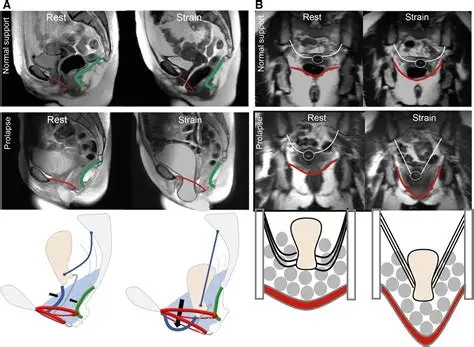
Uterine prolapse occurs when the muscles and supporting tissues of the pelvic floor become weak, allowing the uterus to descend into the vaginal canal. In mild cases, the uterus may move downward without causing noticeable symptoms. In more advanced cases, it may protrude partly or completely through the vaginal opening.
The severity of uterine prolapse varies from person to person. Treatment depends on the degree of prolapse, the symptoms experienced, the patient's general health, and whether she wishes to have children in the future.
2. Causes of Uterine Prolapse and Pelvic Floor Weakness
Several factors can contribute to weakening of the pelvic floor muscles and supporting tissues, including:
Pregnancy and vaginal childbirth, particularly after multiple deliveries
Increasing age and menopause-related hormonal changes
Natural weakening of connective tissues
Chronic constipation and repeated straining during bowel movements
Persistent coughing that increases pressure on the pelvic floor
Being overweight or obese, which may place additional pressure on pelvic organs
Repeated heavy lifting or activities that increase abdominal pressure
Previous pelvic surgery or a history of pelvic floor injury
Not every woman with these risk factors develops prolapse. A proper clinical evaluation is needed to identify the underlying problem.
3. Common Signs and Symptoms
Symptoms depend on the type and severity of the pelvic floor disorder. Common symptoms may include:
A feeling of heaviness or pressure in the pelvis
A sensation of a bulge or lump inside or outside the vagina
Lower abdominal or pelvic discomfort
Urinary leakage when coughing, sneezing, or exercising
Difficulty emptying the bladder completely
Frequent urination or an urgent need to urinate
Constipation or difficulty passing stool
Discomfort during sexual intercourse
Symptoms that become more noticeable after prolonged standing or physical activity
Some women with mild prolapse may not experience any symptoms. Others may find that their symptoms interfere with daily activities and quality of life.
4. Types of Pelvic Floor Disorders
Pelvic floor disorders can involve different organs and supporting structures.
Uterine Prolapse: The uterus descends into the vaginal canal because of weakened supporting tissues.
Cystocele (Bladder Prolapse): The bladder bulges into the front wall of the vagina, potentially causing urinary sy