Pelvic Inflammatory Disease (PID)
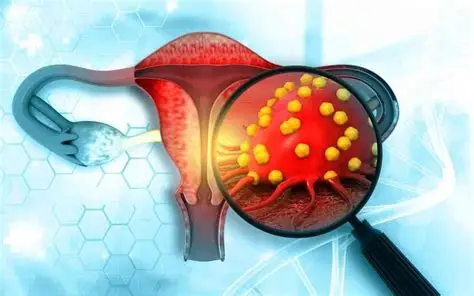
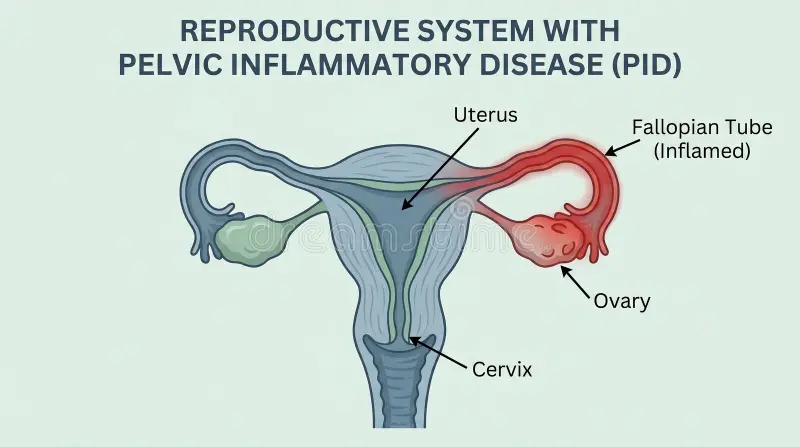
Pelvic Inflammatory Disease (PID) is an infection of the female reproductive organs, including the uterus, fallopian tubes, and ovaries. It commonly develops when bacteria travel from the vagina or cervix into the upper reproductive tract. Some cases are associated with sexually transmitted infections, such as chlamydia and gonorrhea, while other bacteria may also contribute to the condition. Early diagnosis and appropriate treatment are essential to prevent complications and protect a woman's reproductive health.
1. Causes of Pelvic Inflammatory Disease
PID can develop when harmful bacteria enter the reproductive organs and cause inflammation. Common risk factors include untreated sexually transmitted infections, previous pelvic infections, and certain circumstances that increase the risk of bacterial spread. However, PID can sometimes occur without obvious symptoms or a known infection history.
2. Common Signs and Symptoms
The symptoms of PID can range from mild discomfort to severe pelvic pain. Common signs and symptoms may include:
Pain in the lower abdomen or pelvic region
Unusual vaginal discharge or an unpleasant odor
Pain during sexual intercourse
Irregular menstrual bleeding or bleeding between periods
Pain or burning during urination
Fever, chills, or general weakness
Some women may have mild symptoms or no noticeable symptoms, which can delay diagnosis and treatment.
3. Diagnosis and Medical Assessment
A gynecologist evaluates symptoms, medical history, and possible risk factors to assess whether PID is present. A pelvic examination may be performed to check for tenderness or signs of infection. Depending on the patient's condition, investigations may include vaginal or cervical swabs, testing for sexually transmitted infections, pregnancy testing, urine tests, blood tests, and pelvic ultrasound. No single test can identify every case, so diagnosis is based on the overall clinical assessment.
4. Treatment of Pelvic Inflammatory Disease
PID is generally treated with appropriate antibiotics selected by a qualified healthcare professional. Treatment depends on the severity of the infection, the patient's symptoms, and the suspected or confirmed organisms. It is important to take the prescribed medication exactly as directed and complete the full course, even if symptoms improve.
Severe cases, pregnancy, suspected abscesses, or situations in which oral treatment is unsuitable may require hospital assessment and intravenous antibiotics. Early treatment can reduce the risk of long-term complications.
5. Management of Pelvic Pain and Discomfort
Pelvic pain and discomfort may improve as the infection responds to treatment. A healthcare professional may recommend suitable pain relief and advise avoiding sexual intercourse until treatment is completed, symptoms have resolved, and any relevant partner treatment has been addressed. Severe or worsening pain requires prompt medical evaluation.
6. Possible Complications of Untreated PID
If PID is not treated promptly, it may lead to serious reproductive health complications, including:
Scarring or blockage of the fallopian tubes
Difficulty becoming pregnant or infertility
Increased risk of ectopic pregnancy
Chronic pelvic pain
Formation of an abscess in the reproductive organs
Early diagnosis and appropriate antibiotic treatment can help lower these risks, although treatment cannot always reverse damage that has already occurred.
7. Partner Evaluation and Infection Prevention
When PID is associated with a sexually transmitted infection, sexual partners may need testing and treatment to prevent reinfection and further transmission. The gynecologist may recommend appropriate STI screening and advise avoiding sexual contact until treatment requirements have been met. Safer-sex practices, timely testing, and early treatment of infections can help reduce the risk of PID.
8. Follow-Up and Recovery
Follow-up care helps confirm that symptoms are improving and that treatment is effective. Patients should seek reassessment if symptoms do not improve within 48–72 hours after starting treatment or if they become worse. Additional testing or further treatment may be necessary in some cases. Patients with recurrent symptoms should receive a thorough medical evaluation.
9. When to Seek Urgent Medical Attention
Severe or sudden pelvic pain, high fever, repeated vomiting, fainting, heavy vaginal bleeding, or possible pregnancy accompanied by pelvic pain requires urgent medical assessment. These symptoms may indicate a serious infection or another condition that needs immediate treatment.
Conclusion
Pelvic Inflammatory Disease is a potentially serious gynecological condition that requires timely assessment and appropriate treatment. Recognizing symptoms, seeking early medical advice, completing prescribed antibiotics, and attending follow-up visits can help protect reproductive health and reduce the risk of complications. Women experiencing persistent pelvic pain, unusual vaginal discharge, or abnormal bleeding should consult a qualified gynecologist for proper evaluation and individualized care.
Professional Gynecological Care for Women's Health
Early diagnosis and appropriate treatment of pelvic infections are important for maintaining reproductive health. Consult a qualified gynecologist for assessment, recommended investigations, treatment, and follow-up care tailored to your needs.