
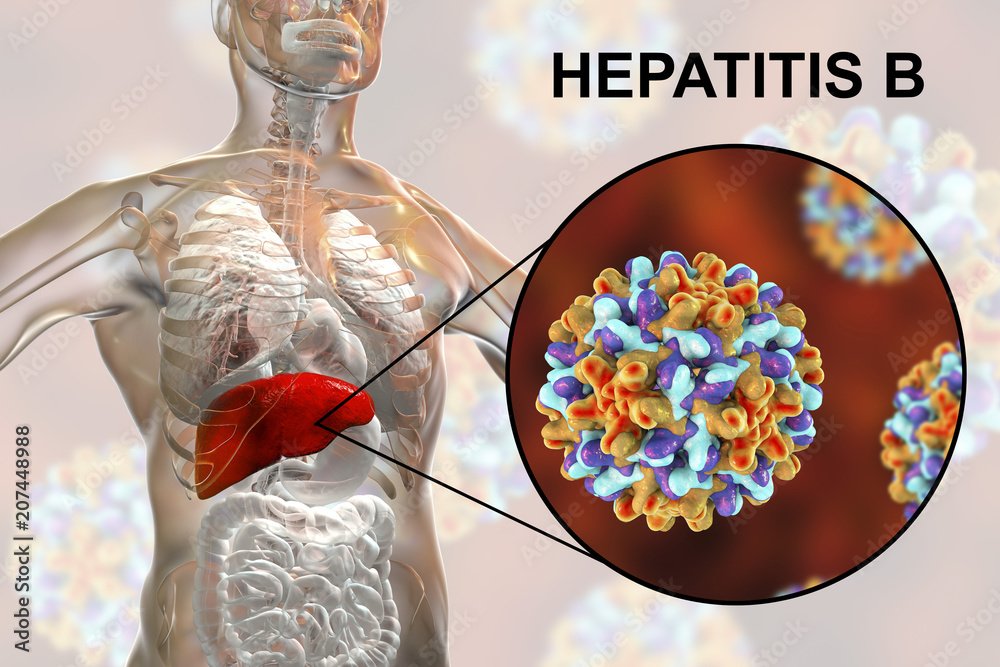
What Is Hepatitis B?
A viral infection of the liver caused by hepatitis B virus (HBV) that can be acute or progress to chronic disease.
Why Do I Need Treatment?
You may need therapy if you have:
- Elevated HBV DNA and liver enzymes
- Fibrosis on imaging or biopsy
- Family history of cirrhosis/HCC
How Should I Prepare?
- Blood tests: HBV serologies, DNA quantification, liver panel.
- Imaging: Ultrasound for fibrosis assessment and HCC surveillance.
What Happens During Treatment?
- First-line antivirals: tenofovir or entecavir daily.
- Monitor: HBV DNA and liver enzymes every 3–6 months.
- Lifestyle: Avoid alcohol; maintain healthy weight.
What Can I Expect Afterwards?
- Viral suppression in most patients within months.
- Continued treatment may be lifelong to prevent flare.
Risks & Possible Complications
- Drug side effects: renal monitoring for tenofovir
- Rare resistance with older antivirals
Follow-Up
- Clinic visits every 3–6 months for labs and HCC ultrasound.
- Consider hepatology referral for treatment decisions.
Hepatitis B – Comprehensive Care Package
A structured 8–12 week initial care and monitoring program designed for patients with Hepatitis B, including specialist evaluation, diagnostic assessment, medication management, liver monitoring, and regular follow-up.
Total Package Fee: PKR 60,000
Package Includes:
Initial Consultation & Hepatitis B Assessment — PKR 10,000
HBV & Liver Function Evaluation — PKR 15,000
Prescribed Medication & Treatment Management — PKR 20,000
Follow-up Consultation & Liver Monitoring — PKR 10,000
Final Review & Treatment Assessment — PKR 5,000
The program includes assessment of Hepatitis B status, appropriate laboratory investigations, personalized treatment planning, prescribed medication guidance, liver-function monitoring, and scheduled follow-up care.
Treatment and follow-up requirements vary depending on whether the infection is acute or chronic, viral activity, liver condition, and the treating physician’s assessment.
Total: PKR 60,000 | Initial Program Duration: 8–12 Weeks
Further monitoring or long-term treatment may be recommended when clinically required.

