
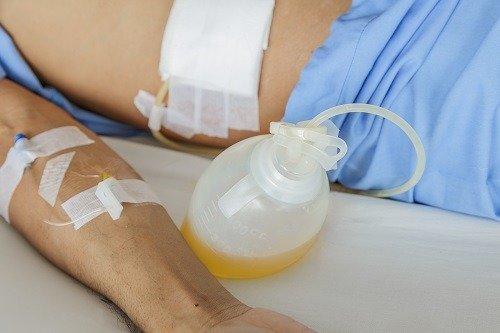
Abdominal Paracentesis (Ascites Fluid Drainage)
Abdominal Paracentesis is a minimally invasive procedure used to remove excess fluid (ascites) from the abdominal cavity. It may be performed to relieve abdominal discomfort and pressure or to obtain a sample of abdominal fluid for diagnostic laboratory testing. The procedure is commonly considered in patients with significant ascites or suspected abdominal fluid-related conditions.
1. Patient Evaluation
Before the procedure, the patient's symptoms, medical history, medications, previous investigations, and overall health are carefully reviewed. The cause and severity of abdominal fluid accumulation are assessed.
2. Pre-Procedure Assessment
The abdomen is examined and relevant investigations may be reviewed before the procedure. Blood tests may be considered when clinically appropriate to assess factors that can affect procedural safety.
3. Site Assessment
The appropriate site for fluid drainage is identified through clinical examination and, when indicated, ultrasound guidance. Careful site selection helps improve procedural safety and accuracy.
4. Preparation & Sterilization
The patient is positioned appropriately, and the selected area of the abdomen is cleaned using sterile technique. Local anesthetic may be administered to minimize discomfort during the procedure.
5. Needle or Catheter Placement
A specialized needle or catheter is carefully introduced into the abdominal cavity to access the accumulated fluid. The procedure is performed using appropriate sterile precautions and monitoring.
6. Ascitic Fluid Drainage
The accumulated abdominal fluid is gradually drained through the catheter. The amount of fluid removed depends on the patient's clinical condition and the treating specialist's assessment.
7. Diagnostic Fluid Analysis
When paracentesis is performed for diagnostic purposes, a sample of the ascitic fluid may be collected and sent for laboratory testing. Analysis can help investigate possible causes of ascites and identify infection or other abnormalities.
8. Symptom Relief
Therapeutic paracentesis can help reduce abdominal pressure, distension, discomfort, and difficulty with movement or breathing caused by significant fluid accumulation.
9. Post-Procedure Monitoring
After the procedure, the patient's vital signs and overall condition are monitored. The puncture site is checked for bleeding, leakage, or other immediate concerns.
10. Follow-Up Care
Further evaluation and treatment depend on the underlying cause of the ascites. Additional investigations, medications, dietary management, specialist care, or repeat drainage may be recommended when clinically indicated.
Benefits of Abdominal Paracentesis
Paracentesis can provide both diagnostic and therapeutic benefits. It may help determine the cause of ascites through fluid analysis while also providing relief from symptoms caused by excessive abdominal fluid.
Comprehensive Paracentesis Care
Our Paracentesis service focuses on careful patient assessment, appropriate site selection, sterile procedural technique, safe ascitic fluid drainage, laboratory analysis when required, post-procedure monitoring, and follow-up management according to the patient's individual clinical needs.
