Nasogastric Tube Insertion
Introduction to Nasogastric Tube Insertion
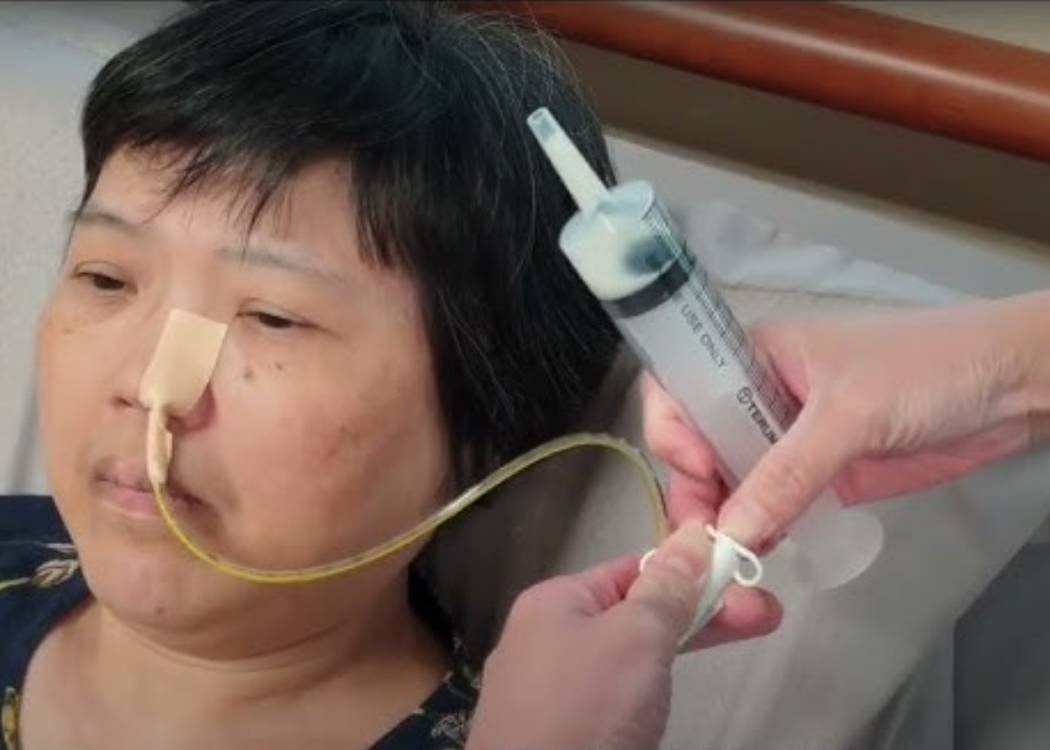
Nasogastric (NG) tube insertion is a medical procedure in which a thin, flexible tube is passed through the nose, down the esophagus, and into the stomach. It is commonly used for temporary enteral feeding, administration of suitable medications, and drainage of gastric contents when medically indicated.
This procedure is particularly helpful for patients who cannot consume sufficient nutrition orally or require gastric decompression due to certain gastrointestinal conditions. Nasogastric tube insertion is performed by trained healthcare professionals following appropriate clinical assessment and safety protocols.
Correct tube placement, careful monitoring, and proper aftercare are essential to reduce complications and ensure that the tube is used safely.
What Is a Nasogastric Tube?
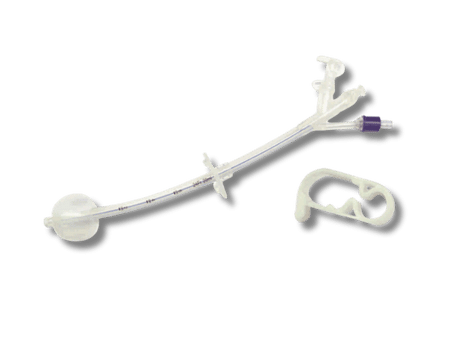
A nasogastric tube is a flexible medical device that provides access to the stomach through the nasal passage. It allows healthcare professionals to deliver prescribed nutrition and suitable medications or remove gastric contents, depending on the type of tube and the patient's clinical requirements.
NG tubes are generally used for short-term treatment. The appropriate tube type, size, and duration of use depend on the patient's condition, nutritional needs, and treatment plan.
Indications for Nasogastric Tube Insertion
A healthcare professional may recommend NG tube insertion for several medical reasons, including:
- Difficulty swallowing (dysphagia): When a patient cannot swallow safely and temporary tube feeding is appropriate.
- Inadequate nutritional intake: When the patient cannot consume sufficient food orally to meet nutritional requirements.
- Neurological conditions: Such as stroke or other disorders that affect swallowing function.
- Medication administration: When suitable medications need to be delivered through the tube.
- Gastric decompression: To remove accumulated gas and fluid from the stomach in selected gastrointestinal conditions.
- Bowel obstruction or postoperative ileus: In certain cases where gastric drainage is required as part of treatment.
- Selected diagnostic or therapeutic procedures: When temporary access to the stomach is needed for a specific clinical purpose.
The decision to insert an NG tube depends on the patient's medical condition, gastrointestinal function, swallowing safety, and aspiration risk.
Types of Nasogastric Tubes
Different types of nasogastric tubes are used according to their intended purpose.
- Feeding tubes: Generally smaller-bore tubes designed for enteral nutrition and appropriate medication administration.
- Decompression tubes: Often larger-bore tubes used to drain gastric contents and relieve distension when clinically indicated.
- Specialized gastric tubes: Used for specific diagnostic or therapeutic requirements according to the treatment plan.
The healthcare professional selects the appropriate tube based on the patient's needs and the manufacturer's recommendations.
Patient Assessment Before NG Tube Insertion
Proper patient assessment is essential to identify potential risks and determine whether the procedure is appropriate.
Important pre-procedure considerations include:
- Verify the patient's identity using approved identifiers.
- Explain the procedure and obtain consent according to clinical policy.
- Review the patient's medical history, medications, allergies, and current condition.
- Assess consciousness, cooperation, and ability to protect the airway.
- Examine the nasal passages for obstruction, injury, or abnormalities.
- Review any history of facial trauma, nasal surgery, or skull-base injury.
- Assess bleeding risk and relevant medical conditions.
- Determine the purpose of tube insertion, such as feeding or gastric decompression.
- Select the appropriate tube type and size.
- Identify whether specialist assistance or an alternative feeding route is required.
Important safety consideration: Routine nasal tube insertion should generally be avoided in patients with suspected basilar skull fracture or significant midface trauma. Other conditions, including esophageal obstruction, caustic injury, and certain recent surgeries, may require specialist assessment or an alternative approach.
Equipment Required for NG Tube Insertion
The equipment required may include:
- Appropriate nasogastric tube.
- Clean gloves and suitable protective equipment.
- Water-soluble lubricant.
- Prescribed or authorized topical anesthetic when appropriate.
- Approved tube-measurement guide or measuring tape.
- Syringe compatible with the selected tube and local protocol.
- pH indicator strips specifically intended for testing gastric aspirate.
- Tube fixation tape or an appropriate securement device.
- Enteral feeding equipment or drainage bag, depending on the intended use.
- Suction equipment when gastric decompression is required.
- Access to radiographic confirmation when clinically indicated.
All equipment should be checked before the procedure to ensure it is suitable for the intended purpose.
How Is Nasogastric Tube Insertion Performed?
NG tube insertion should be performed by a trained healthcare professional using an approved clinical technique.
- Patient identification: Confirm the patient's identity, clinical indication, and relevant safety requirements.
- Explanation and consent: Explain the procedure, expected sensations, and potential risks. Obtain consent according to applicable policy.
- Patient positioning: Position the patient upright or semi-upright when clinically feasible.
- Nasal assessment: Examine the nostrils and select the most suitable passage.
- Tube measurement: Estimate the required insertion length using an approved measurement method and the manufacturer's guidance.
- Preparation: Perform hand hygiene, use appropriate protective equipment, and prepare the tube and supplies.
- Lubrication: Apply a suitable water-soluble lubricant to facilitate passage through the nasal cavity.
- Tube insertion: Gently introduce the tube through the selected nostril and advance it using the approved technique.
- Patient monitoring: Observe for coughing, choking, respiratory distress, oxygen desaturation, or other warning signs. Stop if significant distress or unexpected resistance occurs.
- Temporary securement: Secure the tube appropriately while awaiting confirmation of its position.
- Placement confirmation: Confirm the tube's location using an accepted method before administering feeding, water, or medications.
- Final documentation: Record the insertion details, external tube marking, confirmation method and result, and the patient's response.
The tube must never be forced against resistance. If insertion is difficult or the patient's condition deteriorates, the procedure should be stopped and the situation reassessed.
Confirmation of NG Tube Placement
Confirming correct tube placement is one of the most important safety steps. If an NG tube enters the respiratory tract instead of the stomach, its use can cause serious injury, aspiration, or other life-threatening complications.
Placement confirmation may involve:
- Testing aspirated fluid using pH indicator strips specifically designed for gastric aspirate.
- Obtaining a radiograph when required by the clinical protocol, including when bedside testing is inconclusive or the patient has an increased risk of incorrect placement.
- Having the result assessed and documented by a trained healthcare professional.
Listening over the stomach while injecting air, commonly called the “whoosh test,” is not a reliable method of confirming tube placement. The absence of coughing or breathing difficulties also does not prove that the tube is correctly positioned.
Feeding, water, and medications must not be administered until tube placement has been confirmed according to the applicable clinical protocol. If the result is uncertain, the tube must not be used until further assessment has established its position.
Care After NG Tube Insertion
After insertion, the healthcare team monitors the patient and ensures that the tube is secured and ready for its intended use.
Important aftercare measures include:
- Monitoring the patient's breathing and overall clinical condition as appropriate.
- Inspecting the nostril and surrounding skin for irritation, bleeding, or pressure injury.
- Securing the tube to minimize accidental displacement.
- Recording the external tube marking at the nostril.
- Confirming tube position according to the required protocol before use.
- Maintaining regular oral and nasal hygiene.
- Following the prescribed feeding, flushing, medication, or drainage plan.
- Reassessing tube position whenever displacement is suspected and as required by local policy.
- Monitoring tolerance of feeding or gastric drainage.
- Documenting ongoing assessments and any complications.
Feeding and Medication Administration Through an NG Tube
When an NG tube is used for feeding, the nutritional plan should be individualized according to the patient's clinical condition and nutritional requirements.
Safe administration practices include:
- Confirming that the tube is suitable for the intended use.
- Verifying tube placement according to the approved protocol.
- Following the prescribed feeding rate, volume, and schedule.
- Maintaining appropriate patient positioning during feeding and afterward as instructed.
- Flushing the tube according to the prescribed protocol.
- Checking whether each medication is suitable for administration through the tube.
- Avoiding crushing modified-release or enteric-coated medications unless a pharmacist or authorized clinician confirms an appropriate alternative.
- Monitoring for nausea, vomiting, abdominal distension, diarrhea, or other signs of feeding intolerance.
Feeding and medication instructions should be individualized. A tube intended for gastric drainage may not be suitable for every feeding or medication regimen.
Potential Complications of NG Tube Insertion
Although NG tube insertion is a common procedure, complications can occur.
- Nasal irritation or bleeding: The nasal lining may become irritated or injured during insertion.
- Incorrect tube placement: The tube may enter the airway instead of the stomach.
- Aspiration: Gastric contents or administered material may enter the respiratory tract.
- Esophageal injury: Trauma may occur during difficult insertion.
- Sinus irritation: Prolonged tube placement may cause nasal or sinus discomfort.
- Pressure injury: Continued pressure around the nostril can damage the skin.
- Tube blockage: Feeding formula or medication residue may obstruct the tube.
- Accidental displacement: The tube may move out of its intended position.
- Gastrointestinal discomfort: Some patients may experience nausea, vomiting, or abdominal discomfort.
Severe breathing difficulty, persistent coughing during insertion, oxygen desaturation, significant bleeding, or suspected airway placement requires immediate clinical assessment.
Nursing Responsibilities During NG Tube Insertion
Before the Procedure
- Verify patient identity and the indication for insertion.
- Review medical history and potential contraindications.
- Explain the procedure and provide reassurance.
- Assess nasal patency, airway protection, and baseline clinical status.
- Prepare the appropriate equipment and placement-confirmation supplies.
During the Procedure
- Maintain appropriate infection-control measures.
- Follow the approved insertion technique.
- Observe the patient's breathing and clinical response.
- Stop if significant resistance, distress, or respiratory compromise occurs.
- Avoid forceful advancement of the tube.
After the Procedure
- Confirm tube placement according to institutional policy before use.
- Secure the tube and document its external marking.
- Monitor for nasal injury, respiratory symptoms, and other complications.
- Follow prescribed feeding, flushing, medication, or drainage instructions.
- Educate the patient and caregiver about tube safety and warning signs.
- Document the procedure, confirmation results, and patient response.
Patient and Caregiver Education
Patients and caregivers should receive clear instructions regarding the safe use and maintenance of an NG tube.
Important points include:
- Understanding the purpose of the tube and its intended use.
- Protecting the tube from accidental pulling or displacement.
- Following the prescribed feeding, flushing, or drainage plan.
- Maintaining appropriate oral and nasal hygiene.
- Recognizing signs of blockage, displacement, or skin injury.
- Seeking assistance if breathing difficulty, persistent coughing, vomiting, or abdominal discomfort occurs.
- Knowing whom to contact if the tube becomes damaged or displaced.
- Avoiding feeding or medication administration when tube position is uncertain.
Patients and caregivers should not attempt forceful reinsertion or repositioning unless specifically trained and authorized under an appropriate clinical care plan.
When Should You Consult a Gastroenterologist?
Consult a gastroenterologist or the appropriate treating clinician if a patient requires enteral feeding, has persistent swallowing difficulties, experiences recurrent tube-related problems, or requires evaluation of an underlying gastrointestinal condition.
A specialist can assess the patient's nutritional needs, review suitable feeding options, and determine whether an NG tube or an alternative feeding route is appropriate. Patients who require prolonged nutritional support may benefit from an individualized assessment of longer-term options.
Best Gastroenterologist in Karachi
Specialized care for digestive disorders, liver diseases, and advanced endoscopy procedures.
- Doctor Profile: View Profile
- Book Appointment: Book Now
Clinic 1 – Contact: 0334 3646307
Location: View on Google Maps
Clinic 2 – Contact: 0303 3638304
Location: View on Google Maps
Location: Karachi, Pakistan.