PEG Tube Replacement
Introduction to PEG Tube Replacement
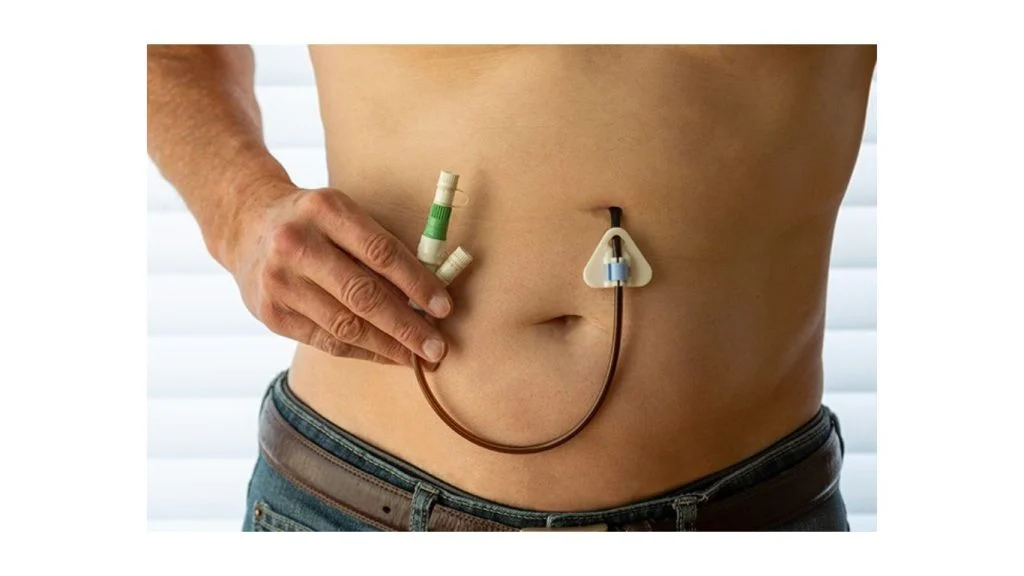
PEG (Percutaneous Endoscopic Gastrostomy) tube replacement is a medical procedure in which an existing gastrostomy feeding tube is replaced with a new tube to maintain safe and reliable access to the stomach. PEG tubes are used to provide nutrition, hydration, and suitable medications to patients who cannot meet their nutritional needs through oral feeding alone.
Tube replacement may be necessary when the existing tube becomes damaged, blocked, displaced, deteriorated, or reaches the end of its recommended service life. The replacement method depends on the type of feeding tube, the maturity of the gastrostomy tract, the patient's clinical condition, and the reason for replacement.
Proper assessment and timely replacement help maintain nutritional support and reduce the risk of complications associated with a malfunctioning feeding tube.
What Is PEG Tube Replacement?
PEG tube replacement involves removing or exchanging an existing gastrostomy tube and inserting a suitable replacement device through the established opening into the stomach. Depending on the tube type and clinical circumstances, replacement may be performed externally by a trained healthcare professional or with endoscopic guidance.
The procedure requires careful confirmation of the replacement tube's position before feeding or medication administration resumes. Incorrect placement can cause serious complications, including leakage into the abdominal cavity and peritonitis.
When Is PEG Tube Replacement Required?
A gastroenterologist or appropriately trained healthcare professional may recommend PEG tube replacement for the following reasons:
- Tube blockage: Feeding material or medication residue obstructs the tube and the blockage cannot be safely resolved.
- Tube damage: The tube develops cracks, tears, leakage, or other structural problems.
- Accidental displacement: The tube moves out of its intended position or is accidentally removed.
- Tube deterioration: The device shows signs of wear or reaches the manufacturer's recommended replacement interval.
- Balloon failure: A balloon-retained tube loses its ability to remain securely positioned.
- Persistent leakage: Leakage around the tube requires assessment and may indicate a need for replacement or another intervention.
- Device-related complications: The tube is associated with recurrent problems that require specialist evaluation.
Not every complication requires immediate replacement. The underlying cause must be assessed to determine the safest and most appropriate treatment.
Assessment Before PEG Tube Replacement
A pre-procedure assessment helps determine the appropriate replacement method and minimize risks. Important considerations include:
- Reviewing the patient's medical history and current clinical condition.
- Identifying the existing tube's type, size, retention mechanism, and age.
- Determining the reason for replacement.
- Assessing the gastrostomy site for infection, bleeding, leakage, or inflammation.
- Evaluating abdominal pain, tenderness, or other signs of possible complications.
- Establishing whether the gastrostomy tract is mature.
- Reviewing relevant medications, allergies, and previous tube-related complications.
- Assessing nutritional requirements and the need for continued enteral feeding.
- Determining whether external replacement or endoscopic guidance is required.
Important: A recently created or immature gastrostomy tract carries a higher risk of false passage and injury during replacement. Such cases require specialist management and must not be treated as routine tube exchanges.
How Is PEG Tube Replacement Performed?
The exact procedure depends on the tube design, the condition of the gastrostomy tract, and the patient's medical needs. The general process may include the following stages:
- Initial assessment: The healthcare professional evaluates the patient's condition and confirms the indication for replacement.
- Tube identification: The existing device is examined to determine its type, size, and appropriate replacement method.
- Insertion-site examination: The skin and gastrostomy opening are assessed for infection, bleeding, leakage, or other abnormalities.
- Preparation: The patient is informed about the procedure, and appropriate hygiene, positioning, and monitoring measures are arranged.
- Removal of the existing tube: The old tube is removed using the technique appropriate for its retention mechanism and the maturity of the tract.
- Insertion of the replacement tube: A suitable new tube is introduced through the established gastrostomy opening using the recommended method.
- Tube positioning: The healthcare professional ensures that the replacement tube is correctly positioned according to the device type and clinical protocol.
- Securement: The external fixation device is adjusted appropriately to reduce the risk of accidental displacement and excessive pressure.
- Position confirmation: Placement is confirmed using the appropriate method. Endoscopic or imaging guidance may be necessary in selected cases.
- Final assessment: The tube is checked for securement, leakage, bleeding, and other immediate concerns.
- Documentation: The replacement tube details, confirmation of position, and any complications are recorded.
The replacement procedure must be performed by an appropriately trained healthcare professional. Feeding and medication administration must not resume until correct tube position has been established according to the applicable clinical protocol.
Types of PEG Feeding Tubes
Different gastrostomy tubes may be used according to the patient's requirements and the intended method of replacement.
- PEG tubes with internal bumpers: These tubes use an internal retention device and may require a specific removal technique, sometimes involving endoscopy.
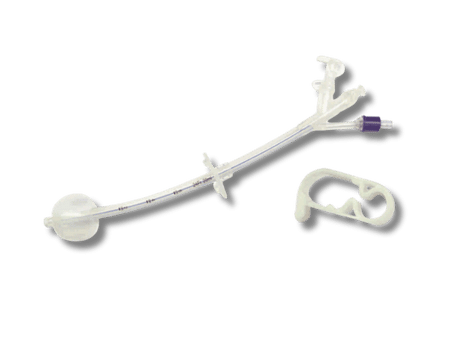
- Balloon-retained gastrostomy tubes: These tubes use an inflatable balloon to maintain their position and may be suitable for routine exchanges when the tract is mature and the procedure is clinically appropriate.
- Low-profile gastrostomy devices: These devices sit closer to the skin and may be selected for patients who require a more discreet feeding-tube design.
The appropriate device depends on the patient's anatomy, feeding requirements, existing tract, and specialist recommendation.
Benefits of Timely PEG Tube Replacement
Appropriate and timely tube replacement can provide several benefits:
- Reliable nutritional access: Helps maintain the prescribed enteral feeding plan.
- Reduced feeding interruptions: Addresses tube-related problems that interfere with nutrition and hydration.
- Improved device function: Replaces damaged or deteriorated equipment.
- Better tube management: Allows assessment of the insertion site and existing device.
- Continued treatment support: Helps patients who require long-term enteral nutrition maintain access to prescribed feeding.
The benefits depend on correct tube selection, appropriate placement, and proper follow-up care.
Recovery and Care After PEG Tube Replacement
Following replacement, the patient is assessed for discomfort, bleeding, leakage, and other immediate complications. The healthcare team confirms that the tube is ready for use before feeding resumes.
Important aftercare measures include:
- Inspecting the insertion site for redness, swelling, bleeding, or discharge.
- Monitoring for abdominal pain, tenderness, or distension.
- Maintaining appropriate tube fixation.
- Following the prescribed feeding and flushing schedule.
- Administering only medications suitable for delivery through the tube.
- Keeping the site clean according to the recommended care protocol.
- Avoiding unnecessary pulling, twisting, or pressure on the tube.
- Attending follow-up appointments as advised.
- Reporting unusual symptoms or changes in tube position promptly.
If the replacement was difficult or the tube position is uncertain, feeding must be withheld until the treating team has established safe placement.
Possible Complications of PEG Tube Replacement
Although PEG tube replacement is generally straightforward in suitable patients, potential complications include:
- Bleeding: Trauma to the gastrostomy tract may cause bleeding.
- Infection: The insertion site may develop redness, pain, swelling, or discharge.
- Tube malposition: The replacement tube may not enter the stomach correctly.
- Peritonitis: Leakage into the abdominal cavity may cause serious inflammation.
- Peristomal leakage: Gastric contents may escape around the tube.
- Tube blockage: Feeding material or medication residue may obstruct the replacement device.
- Accidental displacement: The tube may move out of position.
- Gastric or abdominal injury: Improper replacement may damage surrounding tissues.
- Buried bumper syndrome: An internal retention bumper may become embedded in the gastric wall in certain circumstances.
Severe abdominal pain, a rigid or swollen abdomen, fever, significant bleeding, or suspected tube malposition requires urgent medical assessment. Do not use a tube if its position is uncertain.
Nursing Responsibilities During PEG Tube Replacement
Before the Procedure
- Verify patient identity and the indication for replacement.
- Review the existing tube type and relevant medical history.
- Assess vital signs and the gastrostomy site.
- Identify signs of infection, leakage, or displacement.
- Prepare the appropriate replacement equipment.
- Explain the procedure and provide reassurance.
During the Procedure
- Assist the treating clinician as required.
- Maintain appropriate infection-control measures.
- Monitor the patient's condition according to clinical requirements.
- Ensure that the correct replacement equipment is available.
- Report any unexpected findings promptly.
After the Procedure
- Monitor the patient for pain, bleeding, leakage, and other complications.
- Confirm that tube placement has been appropriately verified.
- Follow the authorized feeding and flushing plan.
- Document the replacement tube details and patient response.
- Provide the patient and caregiver with appropriate aftercare instructions.
Patient and Caregiver Education
Patients and caregivers should understand how to manage the replacement tube safely. Education should include:
- Correct hand hygiene and insertion-site care.
- The prescribed feeding and flushing schedule.
- Safe medication administration through the tube.
- Recognition of infection, leakage, blockage, and displacement.
- Avoidance of forceful flushing or unapproved tube manipulation.
- Instructions on whom to contact if the tube becomes damaged or displaced.
- The importance of follow-up and scheduled tube replacement when recommended.
A displaced tube requires prompt medical advice because the gastrostomy opening can begin to narrow or close. Patients should not attempt to reinsert a tube independently unless specifically trained and instructed under an appropriate clinical plan.
When Should You Consult a Gastroenterologist?
Consult a gastroenterologist if the PEG tube becomes blocked, damaged, displaced, or starts leaking, or if there is persistent discomfort around the insertion site. Specialist assessment is particularly important when the tube is difficult to remove, the gastrostomy tract is immature, or there are signs of infection or abdominal complications.
A qualified specialist can determine whether replacement is necessary, select the appropriate device, confirm its position, and provide guidance on ongoing nutritional support.
Best Gastroenterologist in Karachi
Looking for specialized digestive care in Karachi? Get professional evaluation and treatment for digestive disorders, liver diseases, and conditions requiring advanced endoscopic procedures.
- Doctor Profile: View Profile
- Book Appointment: Book Now
Clinic 1 – Contact: 0334 3646307
Location: View on Google Maps
Clinic 2 – Contact: 0303 3638304
Location: View on Google Maps
Location: Karachi, Pakistan.
Contact the clinic to inquire about consultation appointments, PEG tube assessment, replacement options, and follow-up care.
Conclusion
PEG tube replacement is an important procedure for maintaining safe and reliable enteral access in patients who depend on gastrostomy feeding. Appropriate assessment, selection of the correct replacement device, confirmation of tube position, and proper aftercare are essential to reduce complications and prevent interruptions in nutritional support. Consulting an experienced gastroenterologist helps ensure that tube-related problems are evaluated appropriately and that patients receive suitable ongoing care.