PEG Tube Insertion
Introduction to PEG Tube Insertion
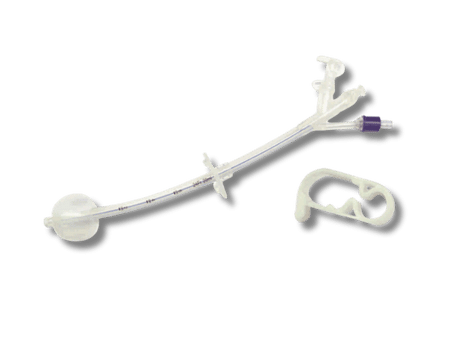
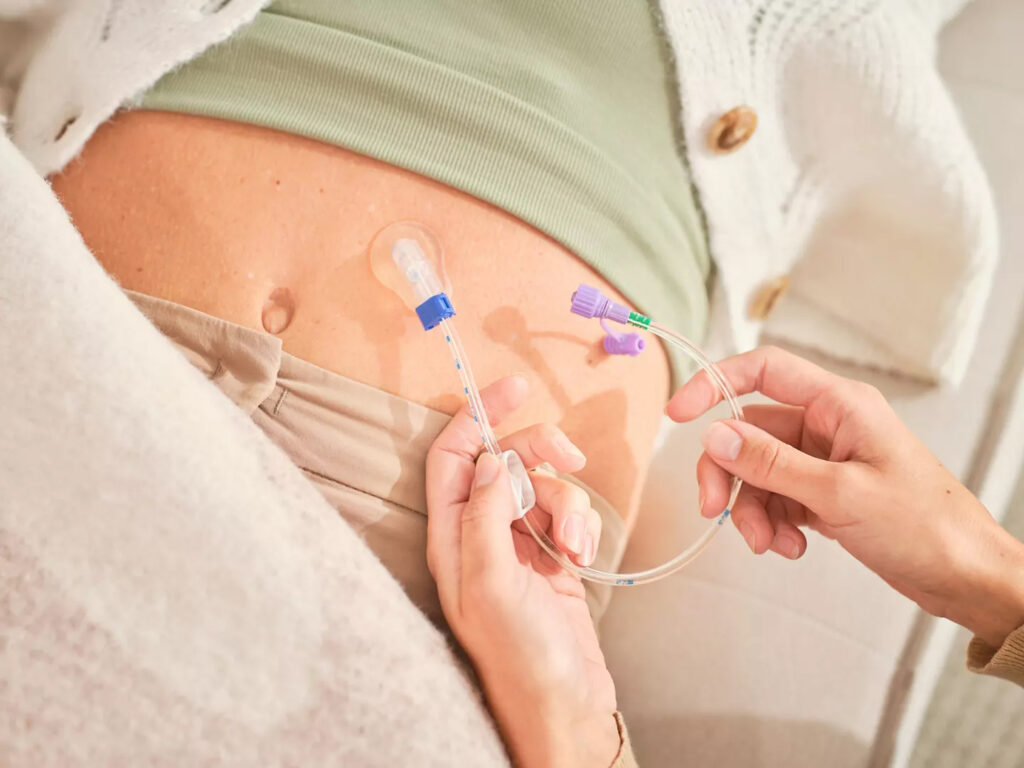
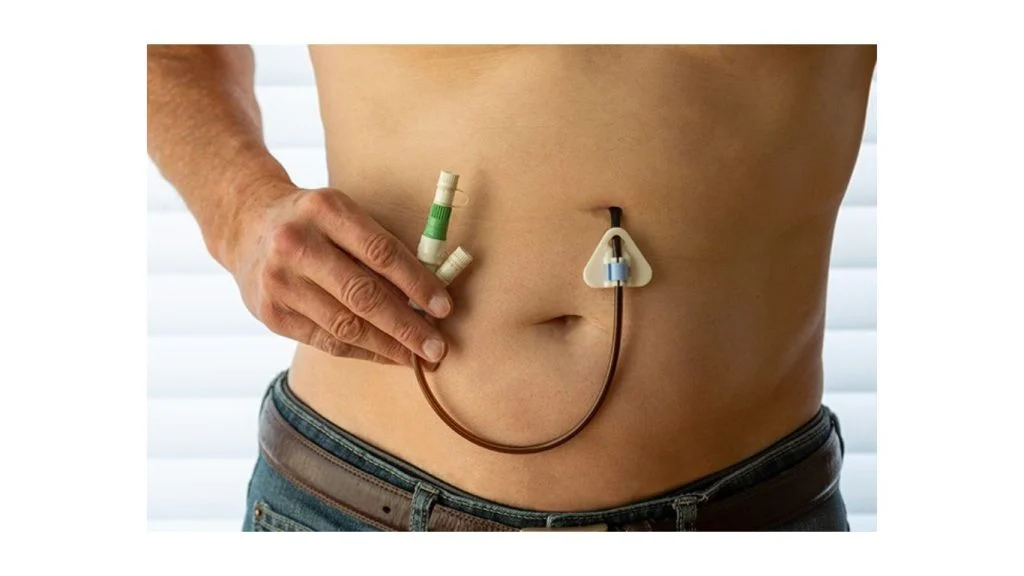
PEG (Percutaneous Endoscopic Gastrostomy) tube insertion is an advanced endoscopic procedure used to provide long-term nutritional support to patients who are unable to swallow safely or consume sufficient food orally. The procedure involves placing a feeding tube directly into the stomach through the abdominal wall with the help of an endoscope. It allows the administration of nutrition, fluids, and suitable medications under medical supervision.
What Is PEG Tube Insertion?
PEG tube insertion is a commonly used method of enteral feeding for patients who require nutritional support due to swallowing difficulties or certain medical conditions. Unlike feeding through the mouth, a PEG tube delivers nutrition directly into the stomach, helping patients meet their nutritional requirements when oral feeding is inadequate or unsafe.
Who Needs a PEG Feeding Tube?
A gastroenterologist may recommend PEG tube placement for patients with:
- Difficulty swallowing (dysphagia).
- Stroke-related swallowing problems.
- Neurological disorders affecting swallowing.
- Head and neck cancers that interfere with eating.
- Prolonged inadequate oral intake.
- Increased risk of malnutrition due to certain medical conditions.
- A need for long-term enteral nutritional support.
The decision to place a PEG tube depends on the patient's medical condition, nutritional needs, gastrointestinal function, and overall treatment goals.
How Is PEG Tube Insertion Performed?
PEG tube insertion is performed by a trained medical professional using endoscopic guidance. The procedure generally involves examining the stomach with an endoscope, identifying a suitable insertion site, and placing the feeding tube through the abdominal wall into the stomach. Appropriate positioning is assessed before the tube is used for feeding.
The procedure is performed with appropriate monitoring and anesthesia or sedation, as clinically indicated. The technique and preparation may vary according to the patient's condition and the type of feeding tube used.
Benefits of PEG Tube Insertion
PEG tube placement can provide several important benefits for appropriately selected patients:
- Nutritional support: Helps deliver essential nutrients when oral intake is inadequate.
- Long-term feeding access: Provides a practical route for patients who require prolonged enteral nutrition.
- Hydration support: Allows fluids to be administered according to the prescribed care plan.
- Medication administration: Permits suitable medications to be given through the tube when approved by the treating clinician.
- Personalized nutritional management: Supports an individualized feeding plan based on the patient's clinical needs.
PEG feeding does not eliminate all aspiration risks, and its suitability must be evaluated individually.
Preparation Before PEG Tube Insertion
Proper preparation is essential for patient safety. The healthcare team reviews the patient's medical history, current medications, allergies, nutritional status, and relevant investigations. Fasting instructions, medication adjustments, and sedation arrangements are determined by the treating team.
Patients should inform their doctor about blood-thinning medications, previous abdominal surgery, allergies, and any existing medical conditions before the procedure.
Recovery and Care After PEG Tube Placement
After PEG tube insertion, the patient is monitored for recovery from sedation and possible complications. The healthcare team assesses the insertion site, tube position, abdominal symptoms, and overall clinical condition.
Important aspects of post-procedure care include:
- Keeping the insertion site clean according to medical instructions.
- Following the prescribed feeding and flushing schedule.
- Maintaining appropriate tube fixation.
- Administering only medications suitable for tube delivery.
- Attending scheduled follow-up appointments.
- Reporting unusual symptoms or changes in the tube's position.
Feeding should begin only when the treating team confirms that the tube is ready for use.
Possible Risks and Complications
Although PEG tube insertion is generally considered safe when appropriately indicated and performed by trained professionals, complications can occur. These may include:
- Infection around the insertion site.
- Bleeding.
- Leakage of gastric contents.
- Tube blockage or accidental displacement.
- Aspiration.
- Abdominal injury or peritonitis.
- Buried bumper syndrome.
Severe abdominal pain, fever, significant bleeding, breathing difficulties, or suspected tube displacement require prompt medical assessment. A potentially displaced tube should not be used until its position has been assessed.
Why Consult an Experienced Gastroenterologist?
Consulting an experienced gastroenterologist is important when considering PEG tube insertion or other advanced endoscopic procedures. A specialist can evaluate the underlying condition, determine whether PEG placement is appropriate, explain available alternatives, and provide guidance on follow-up care.
Individualized assessment helps ensure that nutritional support is consistent with the patient's medical needs and treatment goals.
Best Gastroenterologist in Karachi
Specialized care for digestive disorders, liver diseases, and advanced endoscopy procedures.
- Doctor Profile: View Profile
- Book Appointment: Book Now
Clinic 1 – Contact: 0334 3646307
Location: View on Google Maps
Clinic 2 – Contact: 0303 3638304
Location: View on Google Maps
Location: Karachi, Pakistan.