PEG Tube Removal
Introduction to PEG Tube Removal
PEG (Percutaneous Endoscopic Gastrostomy) tube removal is a medical procedure performed to remove a feeding tube that was previously placed directly into the stomach through the abdominal wall. The tube is generally removed when the patient can safely maintain adequate nutrition and hydration orally, no longer requires enteral feeding, or has another clinically appropriate reason for removal.
The decision to remove a PEG tube should be made by the treating healthcare team after assessing the patient's swallowing ability, nutritional status, overall medical condition, and ongoing feeding requirements. Proper evaluation and aftercare help reduce complications and support recovery of the gastrostomy site.
What Is PEG Tube Removal?
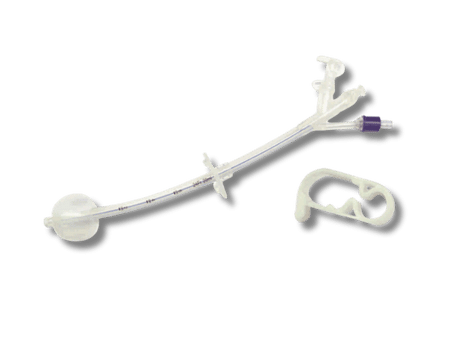
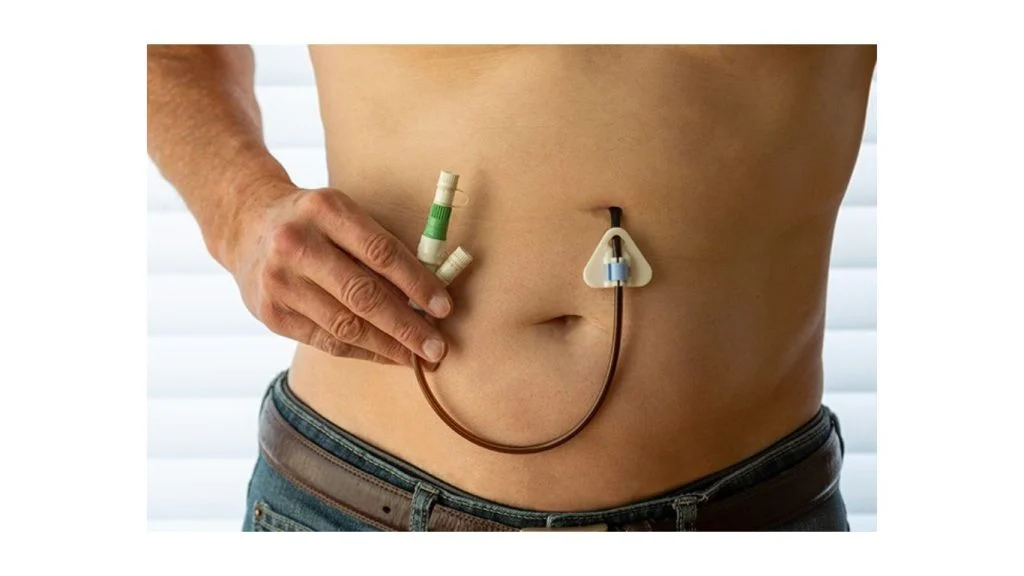
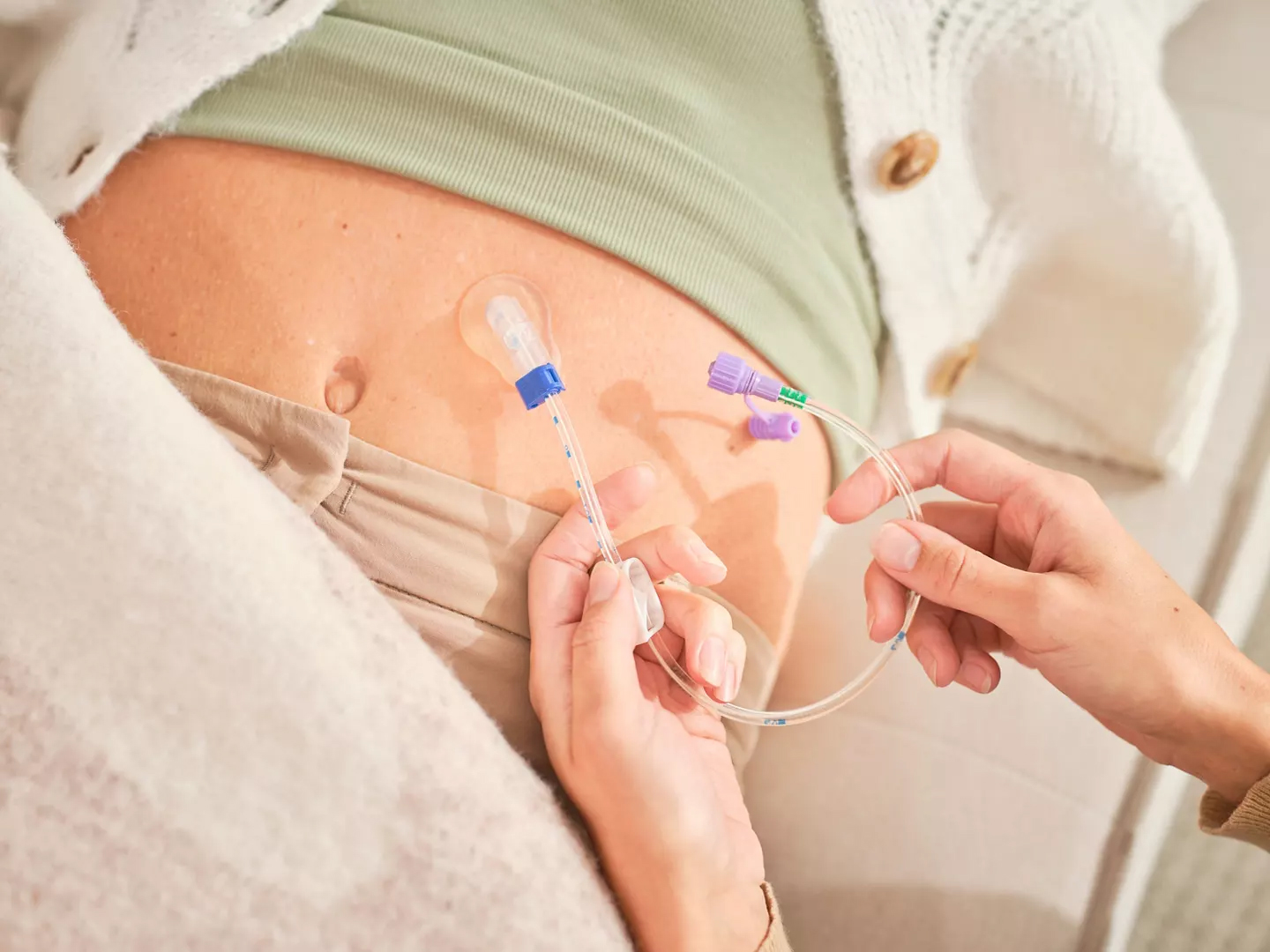
PEG tube removal involves taking out a gastrostomy feeding tube that is no longer required or needs to be replaced. The removal method depends on the type of tube, its retention mechanism, the duration it has been in place, and the patient's clinical condition.
Some tubes can be removed by trained healthcare professionals using a straightforward technique, while others require endoscopic removal. The procedure should always be performed by an appropriately trained clinician using the method recommended for the specific device.
When Is PEG Tube Removal Required?
A gastroenterologist may consider PEG tube removal in the following situations:
- Recovery of swallowing function: The patient can swallow safely and meet nutritional needs orally.
- Adequate nutritional intake: Sufficient food and fluids can be consumed without requiring tube feeding.
- Improvement in the underlying condition: The medical problem that required long-term enteral feeding has improved.
- Completion of nutritional support: The prescribed period of tube feeding has ended and continued tube access is no longer necessary.
- Tube malfunction or replacement: The existing tube requires replacement or removal as part of a planned treatment strategy.
- Changes in the treatment plan: The healthcare team determines that continued PEG feeding is no longer appropriate after reviewing the patient's goals and clinical condition.
PEG tube removal should not be based solely on the patient's ability to eat small amounts of food. Adequate nutrition, hydration, swallowing safety, and the risk of aspiration must also be considered.
Assessment Before PEG Tube Removal
Before removing the PEG tube, the healthcare professional evaluates the patient's readiness for the procedure. Important considerations include:
- Assessment of swallowing function and aspiration risk.
- Review of oral food and fluid intake.
- Evaluation of nutritional status and weight trends.
- Review of the patient's medical history and current clinical condition.
- Examination of the gastrostomy site for infection, inflammation, leakage, or other abnormalities.
- Identification of the tube type, size, and retention mechanism.
- Review of any previous tube-related complications.
- Explanation of the removal method, expected healing process, and potential risks.
- Confirmation that an appropriate nutritional and follow-up plan is available.
If the tube is being removed because of malfunction, infection, or another complication, the clinician determines whether immediate removal, replacement, or an alternative intervention is appropriate.
How Is PEG Tube Removal Performed?
The removal technique depends on the type of PEG tube and its internal retention mechanism. The healthcare professional first identifies the device and determines the safest appropriate method.
The procedure may involve the following general steps:
- Clinical assessment: The patient's condition, feeding requirements, and readiness for tube removal are reviewed.
- Tube identification: The tube type and retention mechanism are identified to determine the appropriate removal technique.
- Site examination: The skin around the gastrostomy opening is assessed for infection, leakage, irritation, or other complications.
- Preparation: The patient is informed about the procedure, and appropriate positioning and infection-control measures are arranged.
- Tube removal: The tube is removed by a trained clinician using the device-specific method. Some tubes may be removed externally, while others require endoscopic assistance.
- Site care: The gastrostomy opening is cleaned and covered with an appropriate dressing.
- Post-removal assessment: The clinician checks for bleeding, pain, leakage, and other immediate concerns.
- Aftercare instructions: The patient or caregiver receives instructions regarding wound care, nutrition, hygiene, and follow-up.
Internal-bumper PEG tubes must not be pulled out forcefully without confirming that the device is suitable for that removal method. Certain tubes require endoscopic removal to avoid injury.
Is PEG Tube Removal Painful?
PEG tube removal is generally well tolerated, although some patients may experience mild discomfort, pressure, or brief pain during the procedure. The level of discomfort depends on the tube type, the condition of the gastrostomy site, and the removal technique.
If endoscopic removal is required, appropriate sedation or other measures may be used according to the clinical circumstances. Patients should inform the healthcare professional about severe pain, previous difficult removal, or any history of complications.
Recovery After PEG Tube Removal
After removal, the gastrostomy opening usually begins to close naturally. The time required for closure varies according to how long the tube has been in place, the patient's nutritional status, underlying medical conditions, and the condition of the tract.
Important aspects of recovery include:
- Keeping the site clean and following the dressing instructions provided.
- Monitoring the opening for gastric fluid leakage.
- Observing for redness, swelling, discharge, bleeding, or increasing pain.
- Maintaining adequate nutrition and hydration according to the prescribed plan.
- Avoiding unnecessary pressure or irritation around the site.
- Attending follow-up appointments when recommended.
- Following the healthcare professional's instructions regarding bathing, wound care, and activity.
The opening may close within a short period, but closure can take longer in patients whose PEG tubes have been in place for an extended period. Persistent leakage may indicate a gastrocutaneous fistula and requires medical assessment.
Possible Complications of PEG Tube Removal
Although PEG tube removal is usually straightforward when performed appropriately, potential complications include:
- Bleeding: Minor bleeding may occur around the gastrostomy opening.
- Local infection: The site may become red, swollen, painful, or discharge fluid.
- Gastric leakage: Stomach contents may leak through the opening before it closes.
- Delayed wound closure: The gastrostomy tract may take longer than expected to close.
- Persistent gastrocutaneous fistula: An abnormal connection between the stomach and skin may remain open.
- Pain or irritation: Temporary discomfort may occur around the removal site.
- Tissue injury: Incorrect removal of an unsuitable tube may cause injury to the stomach or surrounding tissues.
Severe abdominal pain, fever, significant bleeding, increasing redness, or persistent leakage requires prompt medical evaluation.
Care After PEG Tube Removal
Appropriate aftercare supports healing and reduces the risk of complications. Patients should follow the treating clinician's recommendations, which may include:
- Changing dressings according to the instructions provided.
- Maintaining hand hygiene before touching the site.
- Monitoring the wound for signs of infection.
- Reporting persistent discharge or leakage.
- Following a suitable oral nutrition and hydration plan.
- Seeking advice if the opening does not close as expected.
- Avoiding attempts to insert another tube or manipulate the wound independently.
If the patient remains unable to meet nutritional requirements orally, an alternative feeding plan may be necessary before the PEG tube is removed.
When Should You Contact a Doctor?
Medical advice should be sought if any of the following occur after PEG tube removal:
- Persistent or increasing leakage from the opening.
- Severe or worsening abdominal pain.
- Fever or chills.
- Redness, swelling, or pus around the site.
- Significant or ongoing bleeding.
- Vomiting, dehydration, or difficulty maintaining adequate nutrition.
- Failure of the gastrostomy opening to close.
Early assessment can help identify complications and determine whether additional treatment is required.
Why Consult an Experienced Gastroenterologist?
An experienced gastroenterologist can assess whether PEG tube removal is appropriate, identify the correct removal technique, manage tube-related complications, and provide guidance on nutritional support and wound healing.
Professional evaluation is particularly important for patients with long-standing PEG tubes, difficult-to-remove devices, persistent leakage, or underlying conditions that affect swallowing and nutrition.
Best Gastroenterologist in Karachi
Looking for specialized digestive care in Karachi? Get professional evaluation and treatment for digestive disorders, liver diseases, and conditions requiring advanced endoscopic procedures.
- Doctor Profile: View Profile
- Book Appointment: Book Now
Clinic 1 – Contact: 0334 3646307
Location: View on Google Maps
Clinic 2 – Contact: 0303 3638304
Location: View on Google Maps
Location: Karachi, Pakistan.
Contact the clinic to inquire about consultation appointments, PEG tube assessment, removal options, and follow-up care.
Conclusion
PEG tube removal is an important step in the care of patients who no longer require gastrostomy feeding or need a change in their treatment plan. Proper assessment, selection of the correct removal technique, and appropriate aftercare are essential for safe removal and healing. Consulting a qualified gastroenterologist helps ensure that the patient's nutritional needs are addressed and that any complications are recognized and treated promptly.