Vaginal Infections and Their Treatment: Causes, Symptoms and Prevention
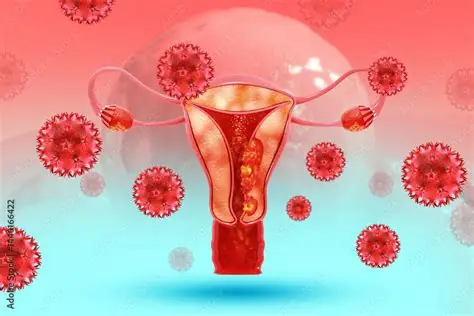
Vaginal infections are common conditions that can affect women of different ages. They may be caused by an imbalance of vaginal bacteria, fungal overgrowth, or certain sexually transmitted infections. Early diagnosis and appropriate treatment help relieve symptoms and prevent complications.
1. Common Symptoms
Unusual vaginal discharge or changes in its color or odor
Vaginal itching or irritation
Burning sensation during urination
Vaginal redness or discomfort
Pain during sexual intercourse
2. Causes of Vaginal Infections
Common causes include bacterial vaginosis, yeast infections, and trichomoniasis. Symptoms alone may not identify the exact cause, so proper medical evaluation is important.
3. Diagnosis
A gynecologist may review symptoms, perform an examination when appropriate, and recommend vaginal swabs or other tests to determine the cause of infection.
4. Treatment Options
Treatment depends on the type of infection and may include prescribed antifungal or antibiotic medication. Avoid self-medication, as different infections require different treatments.
5. Prevention and Care
Maintain gentle external intimate hygiene.
Avoid vaginal douching and scented intimate products.
Wear breathable underwear and change out of damp clothing.
Seek medical advice if symptoms persist or recur.
6. When to Consult a Gynecologist
Consult a qualified gynecologist for unusual discharge, persistent itching, unpleasant odor, or vaginal discomfort. Fever, severe pelvic pain, or symptoms during pregnancy require prompt medical attention.
Conclusion
Vaginal infections are often treatable with the right diagnosis and appropriate care. Professional guidance helps identify the cause, select effective treatment, and support long-term vaginal health.