Menopause Symptoms and Management: Causes, Signs and Treatment
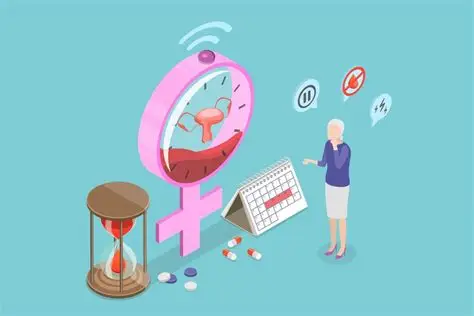
Menopause is a natural stage in a woman's life when menstrual periods permanently stop, usually between the ages of 45 and 55. It occurs due to changes in hormone levels, particularly estrogen, and may cause physical and emotional symptoms. Proper medical guidance can help women manage this transition and maintain their overall health.
1. Common Symptoms of Menopause
Irregular periods before they stop completely
Hot flashes and night sweats
Sleep disturbances and fatigue
Mood changes and irritability
Vaginal dryness and discomfort
Reduced bone density over time
2. Causes and Hormonal Changes
Menopause occurs as ovarian function declines and estrogen levels decrease. Symptoms and their severity vary from woman to woman.
3. Diagnosis
A gynecologist may assess symptoms, menstrual history, and medical background. In women over 45 with typical symptoms, diagnosis is often based on clinical assessment; tests may be recommended in certain cases.
4. Treatment and Management
Management depends on individual symptoms and medical history. Options may include lifestyle changes, appropriate exercise, a balanced diet, and prescribed treatments such as menopausal hormone therapy or non-hormonal medicines when suitable.
5. Healthy Lifestyle and Prevention
Include calcium-rich foods and vitamin D as advised.
Exercise regularly to support bone and heart health.
Maintain a consistent sleep routine.
Avoid smoking and limit alcohol.
Attend recommended health checkups.
6. When to Consult a Gynecologist
Consult a gynecologist if menopausal symptoms affect daily life. Any vaginal bleeding after menopause should be medically evaluated promptly.
Conclusion
Menopause is a natural life stage, and its symptoms can often be managed effectively. Timely medical advice and personalized care help women maintain comfort, well-being, and long-term health.