High-Risk Pregnancy Management: Causes, Monitoring and Care
High-risk pregnancy is a pregnancy in which the mother, baby, or both may have an increased risk of health complications. With early identification, regular prenatal checkups, and appropriate medical care, many risks can be managed to support a healthier pregnancy and safe delivery.
1. Causes and Risk Factors
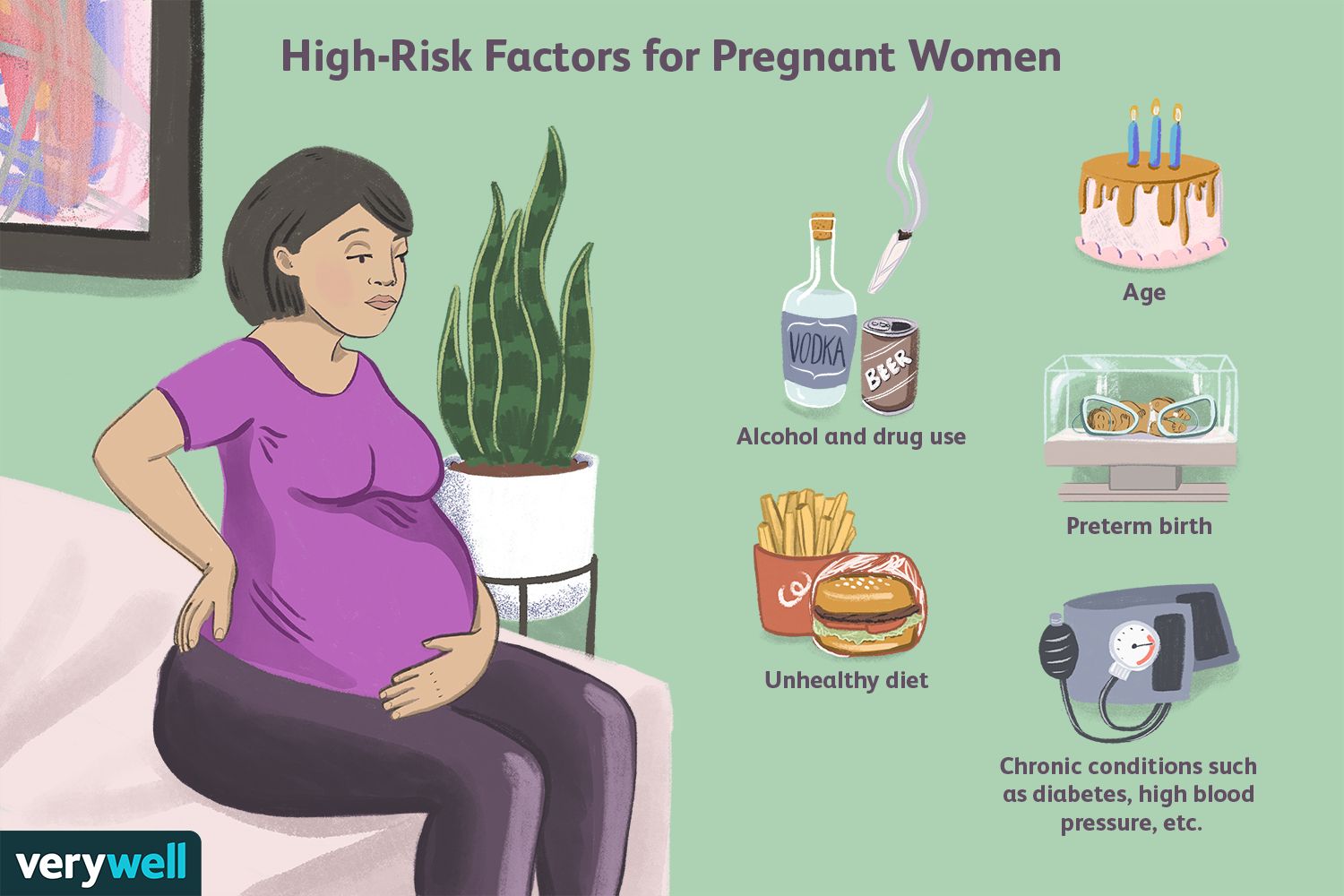
High blood pressure or preeclampsia
Gestational diabetes
Multiple pregnancy, such as twins or triplets
Previous pregnancy complications
Maternal age-related risk factors
Existing medical conditions
2. Common Warning Signs
Severe abdominal pain, vaginal bleeding, severe headache, blurred vision, or reduced fetal movements later in pregnancy require prompt medical assessment.
3. Diagnosis and Monitoring
A gynecologist or obstetrician may recommend regular prenatal visits, blood and urine tests, ultrasound scans, blood pressure monitoring, and fetal growth assessments according to individual needs.
4. Treatment and Management
Care depends on the specific risk factors and may include medication, dietary guidance, closer maternal and fetal monitoring, and specialist consultation when necessary.
5. Prevention and Healthy Pregnancy Care
Attend all recommended prenatal checkups.
Take prescribed prenatal supplements and medicines.
Follow a balanced diet and appropriate activity plan.
Monitor fetal movements as advised by your healthcare provider.
Follow your doctor's guidance regarding delivery planning.
6. When to Seek Medical Help
Seek urgent medical attention for vaginal bleeding, severe abdominal pain, severe headache with vision changes, difficulty breathing, or reduced fetal movements.
Conclusion
High-risk pregnancy requires individualized care, careful monitoring, and timely medical intervention when needed. Regular prenatal visits with a qualified gynecologist or obstetrician help protect maternal health and support the best possible outcome for the baby.