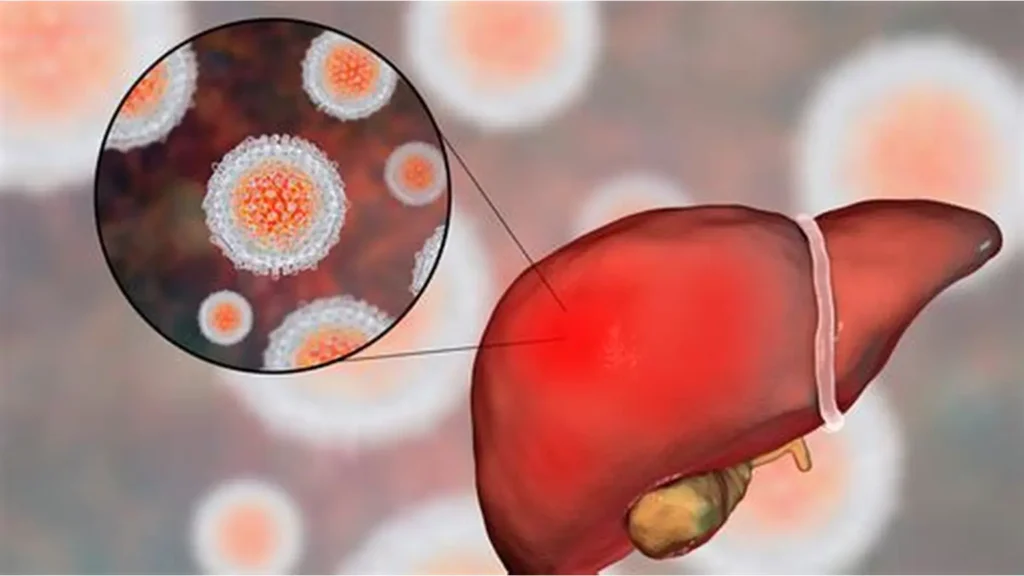

Hepatitis A (HAV)
Hepatitis A is a contagious viral infection that primarily affects the liver and is caused by the Hepatitis A Virus (HAV). It is most commonly transmitted through contaminated food or water or through close contact with an infected person. Unlike Hepatitis B and Hepatitis C, Hepatitis A does not usually cause long-term chronic liver infection. Most patients recover completely with appropriate supportive care, although the illness can occasionally become severe.
Step 1: Initial Clinical Assessment
The evaluation begins with a detailed medical history and physical examination. The doctor assesses symptoms such as fatigue, loss of appetite, nausea, vomiting, abdominal discomfort, fever, dark-colored urine, pale stools, and yellowing of the skin or eyes. Possible exposure to contaminated food or water, recent travel, contact with an infected person, and other relevant risk factors are also reviewed.
Step 2: Diagnostic Testing
Blood tests are commonly used to confirm Hepatitis A infection and evaluate liver function. Testing for Hepatitis A IgM antibodies is typically used to identify a recent or acute infection. Liver function tests, including bilirubin and liver enzymes such as ALT and AST, may also be performed to assess the degree of liver inflammation and monitor recovery.
Step 3: Assessment of Disease Severity
After confirming the diagnosis, the doctor evaluates the patient's overall condition and checks for signs of significant liver dysfunction. Particular attention may be given to persistent vomiting, dehydration, worsening jaundice, confusion, unusual bleeding, severe weakness, or other concerning symptoms. Patients with severe disease may require closer monitoring or hospital-based care.
Step 4: Supportive Treatment
There is generally no specific antiviral treatment required for uncomplicated Hepatitis A. Management is primarily supportive and may include adequate rest, sufficient fluid intake, appropriate nutrition, and medicines prescribed by a doctor to relieve symptoms such as nausea, vomiting, or discomfort.
Medication should be used carefully during hepatitis, particularly medicines that may affect the liver. Patients should inform their healthcare provider about all prescription medicines, over-the-counter medicines, and supplements they are taking before using additional treatment.
Step 5: Nutrition and Hydration
Maintaining hydration and adequate nutrition is an important part of recovery. Patients may be advised to take frequent fluids and balanced meals according to their tolerance. When nausea or vomiting is present, smaller and more frequent meals may be easier to tolerate.
Step 6: Monitoring Liver Recovery
Follow-up blood tests may be recommended to monitor bilirubin and liver enzyme levels and to ensure that liver inflammation is gradually improving. The timing of follow-up depends on the severity of illness, symptoms, and the patient's overall clinical condition.
Step 7: Prevention of Transmission
Because Hepatitis A can spread easily, preventing transmission is an important part of management. Patients should practice careful hand hygiene, especially after using the bathroom and before preparing or eating food. Safe food preparation, clean drinking water, and appropriate sanitation are also essential.
During the infectious period, patients may need to take precautions to reduce the risk of transmitting the virus to household members and other close contacts.
Step 8: Vaccination and Protection
Hepatitis A vaccination is an effective method of prevention for people who are recommended to receive it based on their age, health status, travel plans, exposure risk, or other clinical considerations. Close contacts of a person with Hepatitis A may also require prompt medical advice regarding post-exposure preventive measures.
Step 9: Special Considerations
Although most people recover fully, some patients may experience a prolonged course of illness. Older adults and people with underlying chronic liver disease may be at greater risk of severe complications. Pregnant patients, people with significant medical conditions, and those who develop severe symptoms should receive timely medical evaluation.
Step 10: Complete Recovery and Follow-Up
Most patients with Hepatitis A recover completely and develop lasting immunity after infection. Hepatitis A does not normally progress to chronic hepatitis or chronic liver infection. Recovery may take several weeks, and some symptoms, particularly tiredness, may persist for a period after the liver inflammation begins to improve.
When to Seek Medical Attention
Medical evaluation is important when symptoms suggest hepatitis, particularly when jaundice, dark urine, persistent vomiting, significant abdominal pain, dehydration, unusual bleeding, or confusion develops. Prompt assessment allows the condition to be confirmed and helps identify patients who may require closer monitoring.
Why Hepatitis A Care Matters
Early diagnosis, appropriate supportive treatment, liver-function monitoring, infection-control measures, and prevention through vaccination and safe hygiene practices are key components of Hepatitis A management.
Hepatitis A (HAV) care focuses on accurate diagnosis, assessment of liver health, supportive treatment, prevention of transmission, and appropriate follow-up to support a safe and complete recovery.