GI Cancer Screening & Prevention
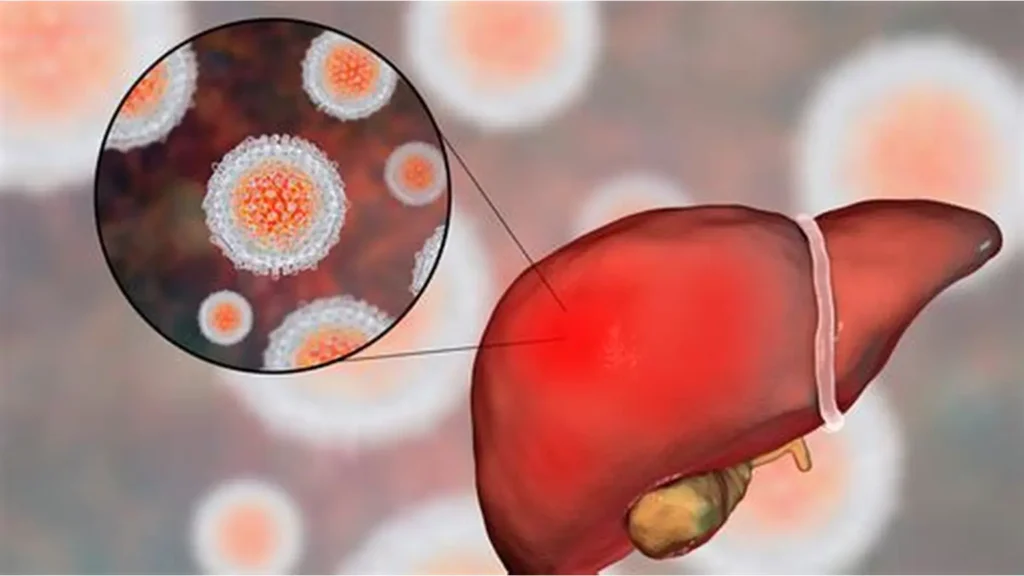
Gastrointestinal (GI) cancers can affect different parts of the digestive system, including the esophagus, stomach, small intestine, colon, rectum, liver, pancreas, and bile ducts. Early detection plays an important role in identifying precancerous changes or cancer at an earlier stage, when appropriate treatment options may be more effective. GI Cancer Screening & Prevention focuses on evaluating individual risk factors, recognizing warning signs, performing appropriate screening tests, and providing preventive guidance.
Step 1: Risk Assessment and Medical Evaluation
The process begins with a detailed medical assessment. Your doctor reviews your age, symptoms, personal medical history, family history of gastrointestinal cancers, previous polyps or gastrointestinal disorders, smoking or alcohol exposure, dietary habits, and other relevant risk factors. This helps determine which screening approach may be appropriate.
Step 2: Identification of Warning Signs
Certain symptoms may require further evaluation rather than routine screening alone. These may include persistent abdominal pain, unexplained weight loss, difficulty swallowing, persistent changes in bowel habits, rectal bleeding, black stools, recurrent vomiting, anemia, or ongoing indigestion. These symptoms do not necessarily indicate cancer, but they may require timely medical assessment.
Step 3: Colon and Rectal Cancer Screening
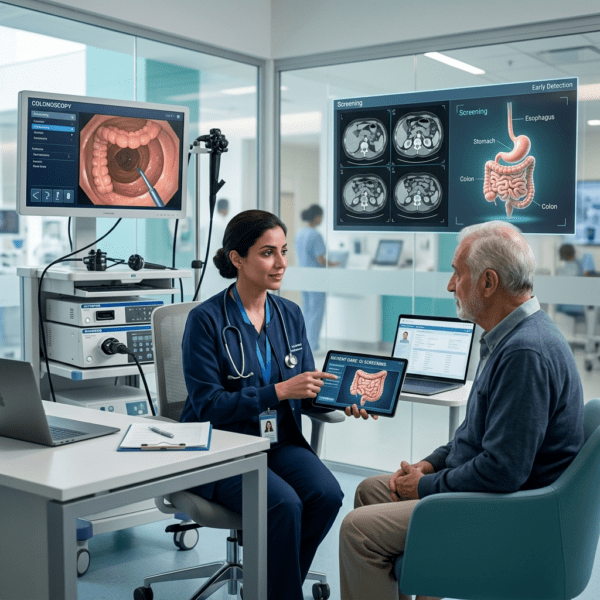
Colorectal cancer screening is an important part of GI cancer prevention. Depending on the patient's age and risk profile, screening may include stool-based testing, colonoscopy, or other recommended methods. Colonoscopy can identify and remove certain precancerous polyps before they develop into cancer, as well as detect existing abnormalities that require further evaluation.
Step 4: Upper GI Evaluation
For patients with relevant symptoms or increased risk factors, upper gastrointestinal evaluation may be recommended. Gastroscopy or Upper GI Endoscopy allows direct examination of the esophagus, stomach, and duodenum. Areas that appear abnormal can be biopsied for laboratory evaluation.
Step 5: Evaluation of Liver, Pancreas and Biliary System
Patients with specific risk factors or known liver and biliary conditions may require targeted surveillance. Depending on the clinical situation, doctors may use blood tests, ultrasound, CT scans, MRI, or other investigations to evaluate the liver, pancreas, gallbladder, and bile ducts.
Step 6: Detection and Management of Precancerous Changes
One of the major goals of screening is identifying abnormalities before they become invasive cancer. Gastrointestinal polyps, premalignant lesions, and other concerning changes may require close monitoring, biopsy, or endoscopic removal depending on their type, size, location, and pathology findings.
Step 7: Biopsy and Histopathological Assessment
When a suspicious lesion is found, a biopsy may be obtained during an endoscopic procedure. The tissue is examined by a pathology laboratory to determine whether the abnormality is benign, precancerous, or malignant. The pathology report helps guide further management and follow-up.
Step 8: Personalized Prevention Strategies
Prevention focuses on reducing modifiable risk factors. Patients may be advised to maintain a healthy body weight, follow a balanced diet rich in fiber and plant-based foods, avoid tobacco, limit alcohol consumption, remain physically active, and follow appropriate medical treatment for chronic gastrointestinal or liver conditions.
Step 9: Regular Follow-Up and Surveillance
Patients with a previous history of polyps, precancerous lesions, inflammatory bowel disease, chronic liver disease, or a significant family history may require more frequent monitoring. Follow-up intervals depend on the patient's individual risk factors and previous findings.
Step 10: Early Referral for Further Management
When screening identifies a suspicious or confirmed cancerous lesion, timely referral for appropriate specialist care is arranged. Further management may involve gastroenterology, oncology, surgery, radiology, pathology, and other specialties depending on the type and stage of disease.
Why GI Cancer Screening & Prevention Matters
Regular and risk-based screening can help identify gastrointestinal cancers or precancerous abnormalities at an earlier stage. A personalized screening plan allows patients to understand their risks, address warning signs promptly, and receive appropriate surveillance and preventive care.
GI Cancer Screening & Prevention provides a structured approach to risk assessment, early detection, prevention, and ongoing surveillance for gastrointestinal cancers, helping patients receive timely evaluation and appropriate care based on their individual needs.