Hepatitis C (HCV) – Professional Medical Video Script
Scene 1 – Opening
Visual: A doctor in a clinical setting, with a simple animation of the liver and bloodstream.
Voiceover:
“Hepatitis C is a viral infection that primarily affects the liver. It is caused by the Hepatitis C Virus, commonly known as HCV.
One of the important challenges with Hepatitis C is that many people may have the infection for years without experiencing clear symptoms. During this time, the virus can continue to affect the liver silently.
With early diagnosis and appropriate treatment, Hepatitis C is now a highly treatable condition, and most patients can achieve a cure.”
Scene 2 – Understanding Hepatitis C
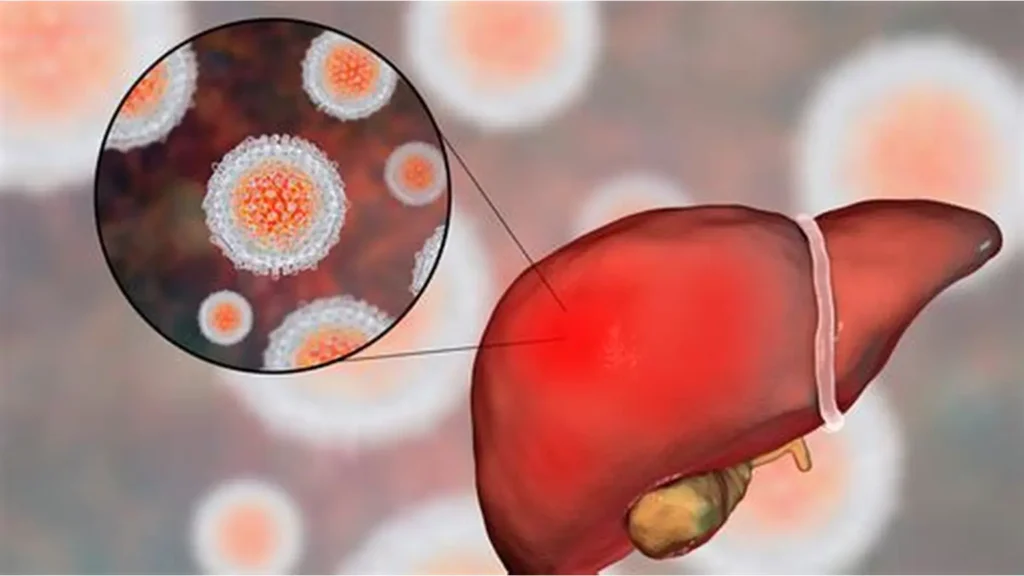
Visual: Animation showing the Hepatitis C virus entering the bloodstream and reaching the liver.
Voiceover:
“When the Hepatitis C virus enters the body, it can infect liver cells and cause inflammation.
In some people, the infection may clear naturally. However, in many cases, it can persist and become chronic Hepatitis C.
Without appropriate treatment, chronic infection may gradually lead to liver fibrosis, cirrhosis, liver failure, and an increased risk of liver cancer.”
Scene 3 – How Hepatitis C Is Transmitted
Visual: Clean medical illustrations showing blood exposure and unsafe medical equipment.
Voiceover:
“Hepatitis C is primarily transmitted through infected blood.
Potential routes of transmission can include exposure to contaminated needles or syringes, unsafe medical or cosmetic procedures, inadequately sterilized equipment, or sharing personal items that may have blood on them.
Transmission from an infected mother to her baby can also occur, although it is less common.
Understanding how Hepatitis C spreads is an important part of prevention and early testing.”
Scene 4 – Signs and Symptoms
Visual: Patient experiencing fatigue, followed by subtle liver and jaundice animations.
Voiceover:
“Many people with Hepatitis C have no noticeable symptoms, particularly during the early stages.
When symptoms do occur, they may include persistent tiredness, weakness, loss of appetite, nausea, abdominal discomfort, dark-colored urine, pale stools, joint pain, or yellowing of the skin and eyes.
Because these symptoms can also occur with many other conditions, proper medical testing is necessary for an accurate diagnosis.”
Scene 5 – Who Should Consider Testing?
Visual: A doctor reviewing a patient’s history and laboratory reports.
Voiceover:
“Testing may be particularly important for people who have had possible exposure to infected blood, previous unsafe injections or procedures, or other recognized risk factors.
People with unexplained liver enzyme abnormalities or signs of liver disease may also require Hepatitis C testing.
Since the infection can remain silent, testing can be important even when a person feels completely healthy.”
Scene 6 – Diagnosis
Visual: Blood sample followed by laboratory testing animation.
Voiceover:
“Diagnosis generally begins with a blood test for Hepatitis C antibodies.
If the antibody test is reactive, an HCV RNA test is performed to determine whether the virus is currently present in the blood.
Once active infection is confirmed, the doctor evaluates liver health through blood tests and, when appropriate, non-invasive assessment of liver fibrosis. Additional investigations may be recommended according to the patient’s condition.”
Scene 7 – Assessing Liver Damage
Visual: Liver illustration progressing from normal liver to fibrosis and cirrhosis.
Voiceover:
“Before treatment, it is important to understand the condition of the liver.
The doctor may evaluate liver enzymes, bilirubin, blood counts, and other relevant laboratory markers. Non-invasive tests such as FibroScan or other imaging and fibrosis assessments may also be used when appropriate.
This evaluation helps identify whether the patient has mild liver disease, advanced fibrosis, or cirrhosis and supports individualized treatment planning.”
Scene 8 – Modern Treatment
Visual: Doctor discussing treatment options with a patient.
Voiceover:
“The treatment of Hepatitis C has advanced significantly.
Modern oral medicines known as direct-acting antivirals, or DAAs, can eliminate the virus from the body in most patients.
The choice and duration of treatment depend on several factors, including the type of infection, the condition of the liver, previous treatment history, and other medical considerations.
A qualified gastroenterologist or liver specialist can select and monitor the most appropriate treatment plan.”
Scene 9 – What Happens After Treatment?
Visual: Patient completing treatment followed by a laboratory report showing follow-up testing.
Voiceover:
“Completing the prescribed treatment is important.
After treatment, follow-up HCV RNA testing is used to determine whether the virus has been successfully cleared.
When the virus is no longer detected after the appropriate follow-up period, this is considered a sustained virologic response and indicates that the patient has achieved a virologic cure.”
Scene 10 – Can Liver Damage Be Reversed?
Visual: Animated liver gradually improving, followed by a caution symbol over advanced cirrhosis.
Voiceover:
“Clearing the Hepatitis C virus can stop ongoing viral injury and may allow liver health to improve over time.
However, patients who already have advanced fibrosis or cirrhosis may still require continued medical monitoring even after successful treatment, because some long-term liver risks can persist.”
Scene 11 – Prevention
Visual: Sterile medical equipment, safe injection practices, and proper hygiene.
Voiceover:
“There is currently no vaccine that prevents Hepatitis C.
Therefore, prevention depends on avoiding exposure to infected blood.
This includes using sterile medical equipment, ensuring proper infection-control practices during medical and cosmetic procedures, never sharing needles or syringes, and avoiding the sharing of personal items that may contain blood.
People who may have been exposed should seek medical advice and appropriate testing rather than waiting for symptoms to appear.”
Scene 12 – Why Early Diagnosis Matters
Visual: Split-screen showing an asymptomatic patient and liver-damage progression.
Voiceover:
“Hepatitis C can progress silently.
A person may feel healthy while liver damage is gradually developing. Early diagnosis provides an opportunity to treat the infection before significant complications occur.
Timely treatment can help reduce the risk of progressive liver disease and protect long-term liver health.”
Scene 13 – When to Seek Medical Advice
Visual: Patient consulting a gastroenterologist.
Voiceover:
“Anyone with a possible history of exposure, unexplained liver test abnormalities, jaundice, persistent fatigue, or other symptoms of liver disease should discuss appropriate testing with a healthcare professional.
Medical evaluation is especially important for people with known liver disease or other factors that may increase their risk of complications.”
Scene 14 – Closing Message
Visual: Doctor facing the camera, followed by clinic logo and contact information.
Voiceover:
“Hepatitis C is often silent, but it is detectable, treatable, and curable in most patients with modern antiviral therapy.
The right approach begins with testing, continues with accurate diagnosis and individualized treatment, and includes appropriate follow-up to protect liver health.
Do not ignore unexplained liver problems or possible exposure to Hepatitis C.
Get tested. Get treated. Protect your liver.”
On-Screen Closing Text:
Hepatitis C (HCV)
Early Diagnosis | Effective Treatment | Liver Protection
“Consult a qualified Gastroenterologist for personalized medical advice.”