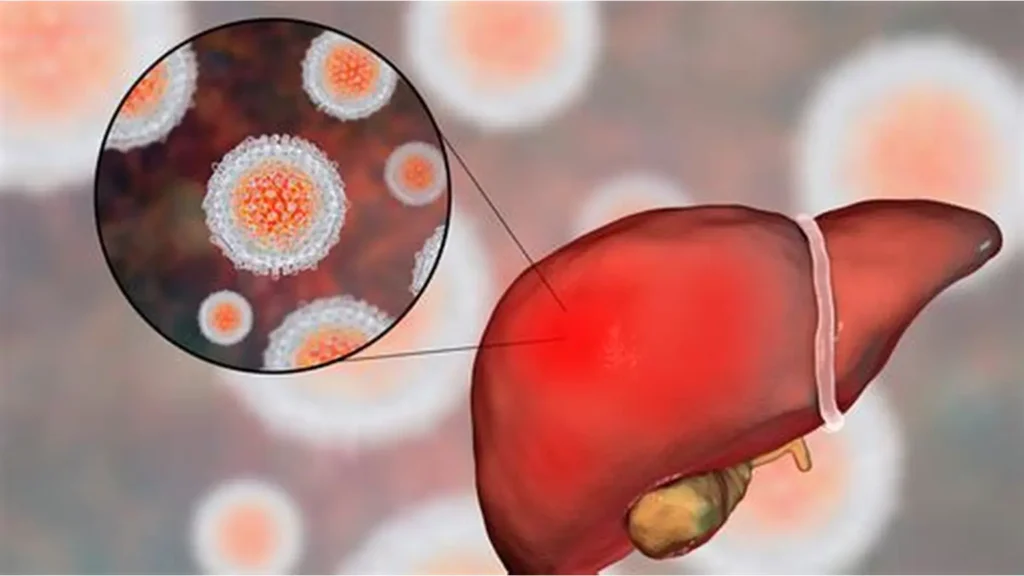

Hepatitis B (HBV)
Hepatitis B is a viral infection of the liver caused by the Hepatitis B Virus (HBV). It can occur as an acute infection or develop into chronic hepatitis B. While some people recover completely from an acute infection, chronic hepatitis B can persist for many years and may lead to liver fibrosis, cirrhosis, liver failure, or hepatocellular carcinoma (liver cancer). Early diagnosis, regular monitoring, appropriate treatment, and vaccination are important components of Hepatitis B care.
Step 1: Initial Clinical Assessment
The evaluation begins with a detailed medical history and physical examination. The doctor reviews symptoms, previous medical conditions, family history of liver disease, possible exposure to infected blood or body fluids, previous hepatitis testing, vaccination history, and other relevant risk factors.
Many people with Hepatitis B may have no obvious symptoms, particularly during chronic infection. When symptoms occur, they may include fatigue, loss of appetite, nausea, vomiting, abdominal discomfort, fever, dark urine, pale stools, joint or muscle aches, and yellowing of the skin or eyes.
Step 2: Hepatitis B Screening and Diagnostic Testing
Blood testing is essential for diagnosing Hepatitis B. Initial screening commonly uses the Hepatitis B triple panel, which includes:
Hepatitis B surface antigen (HBsAg)
Hepatitis B surface antibody (anti-HBs)
Total Hepatitis B core antibody (total anti-HBc)
These tests help determine whether a person has a current infection, has recovered from a previous infection, has immunity from vaccination, or remains susceptible to infection. When acute infection is suspected, IgM anti-HBc may be used as part of the assessment.
Step 3: Assessment of Liver Health
Once Hepatitis B infection is identified, the next step is to evaluate liver health and determine the extent of liver inflammation or damage. Liver function tests may include ALT, AST, bilirubin, albumin, and other clinically appropriate laboratory investigations.
Additional testing may be required to assess the level of viral activity and the degree of liver damage. Depending on the individual case, this may include HBV DNA testing, HBeAg and anti-HBe testing, ultrasound, FibroScan, or other imaging and fibrosis assessments.
Step 4: Distinguishing Acute and Chronic Hepatitis B
Acute Hepatitis B refers to infection occurring during the first six months following exposure. Some adults with acute infection recover completely, while others develop chronic infection.
Chronic Hepatitis B is a long-term infection that can cause ongoing liver inflammation and progressive liver damage. The likelihood of chronic infection is substantially higher when infection occurs during infancy or early childhood than when it occurs in adulthood.
Step 5: Management of Acute Hepatitis B
For uncomplicated acute Hepatitis B, treatment is generally supportive rather than antiviral. Care may include adequate fluids, appropriate nutrition, rest, and management of symptoms. Patients with severe illness or significant liver dysfunction may require hospital-based evaluation and closer monitoring.
Step 6: Evaluation for Chronic Hepatitis B Treatment
Not every person with chronic Hepatitis B requires immediate medication. The decision to start antiviral therapy depends on factors such as viral replication, liver inflammation, the degree of liver fibrosis or cirrhosis, and the patient's overall clinical situation.
For appropriate patients, antiviral medicines can suppress HBV replication, slow the progression of liver disease, reduce the risk of complications, and lower the risk of liver cancer. Common oral antiviral options include tenofovir and entecavir.
Step 7: Long-Term Liver Monitoring
Chronic Hepatitis B requires ongoing medical follow-up even when the patient feels well. Regular monitoring helps identify changes in viral activity, liver inflammation, and liver fibrosis.
For some patients, periodic liver imaging and other assessments are also recommended to monitor for hepatocellular carcinoma, particularly when their clinical risk is increased.
Step 8: Prevention of Liver Complications
Long-term care focuses on preventing or delaying complications such as advanced fibrosis, cirrhosis, liver failure, and liver cancer. Regular follow-up, appropriate antiviral treatment when indicated, monitoring of liver health, and management of other factors affecting the liver are important parts of comprehensive care.
Patients may also be advised to maintain a balanced diet, avoid tobacco, limit alcohol exposure, maintain a healthy body weight, and discuss all medicines and supplements with their healthcare provider.
Step 9: Preventing Transmission
Hepatitis B can be transmitted through infected blood and certain body fluids, including through sexual contact, exposure to contaminated needles or sharp instruments, and from an infected mother to her baby around the time of birth.
Prevention measures include vaccination, safe injection practices, appropriate infection-control procedures, avoiding the sharing of needles or personal items that may contain blood, and appropriate testing and medical care during pregnancy.
Step 10: Hepatitis B Vaccination
Vaccination is the most effective way to prevent Hepatitis B infection. Vaccination is particularly important for infants and for people who have an increased risk of exposure. Pregnant women should also be screened for Hepatitis B so that appropriate measures can be taken to reduce transmission to the newborn.
Step 11: Family and Close-Contact Screening
When Hepatitis B is diagnosed, appropriate testing and vaccination of household members and other close contacts may be recommended. Identifying infection early allows affected individuals to receive medical care and helps reduce the risk of transmission.
Step 12: Ongoing Follow-Up and Personalized Care
Hepatitis B management is personalized according to the patient's age, duration of infection, HBV DNA level, liver condition, treatment status, and other medical factors. Some people require long-term antiviral therapy and continued monitoring, while others may need observation without immediate medication. Treatment decisions should therefore be made following a complete medical evaluation.
Why Hepatitis B Care Matters
Hepatitis B may remain silent for years while gradually affecting the liver. Early screening and diagnosis provide an opportunity to monitor the infection, identify liver damage, begin treatment when appropriate, and reduce the risk of serious complications.
Hepatitis B (HBV) care focuses on accurate diagnosis, assessment of viral activity and liver health, individualized treatment, long-term monitoring, prevention of complications, and protection against transmission through vaccination and appropriate preventive measures.