Vascular Compression Syndromes
1. Initial Assessment
Detailed medical history and physical examination to identify symptoms such as pain, swelling, heaviness, numbness, or changes in circulation.
2. Diagnostic Evaluation
Assessment of blood flow and the affected blood vessel using appropriate vascular investigations.
3. Imaging & Investigations
Depending on the suspected condition, investigations may include Doppler Ultrasound, CT Angiography, MR Angiography, or other specialized vascular imaging.
4. Diagnosis & Treatment Planning
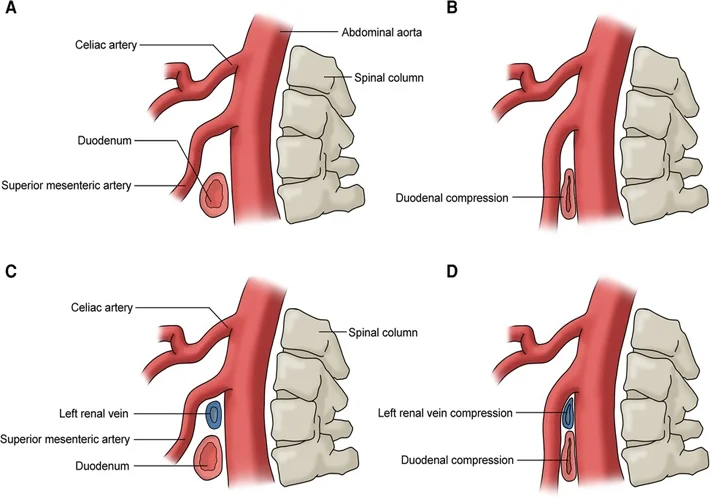
The location and severity of vascular compression are evaluated to determine the most appropriate treatment approach.
5. Medical Management
Selected patients may be managed with medications, lifestyle modifications, compression therapy, or regular monitoring, depending on the underlying condition.
6. Minimally Invasive or Surgical Treatment
When significant vascular obstruction is present, endovascular procedures or surgical treatment may be considered according to the patient's condition.
7. Follow-Up & Monitoring
Regular follow-up helps assess blood flow, symptom improvement, treatment response, and the risk of recurrence or complications.