Liver Cirrhosis: Causes, Symptoms, Diagnosis, Treatment, Complications, and Long-Term Management
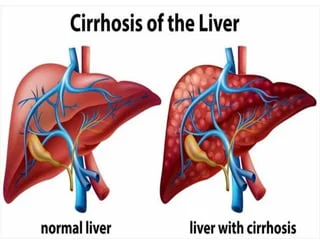
Liver Cirrhosis is a chronic condition in which healthy liver tissue is gradually replaced by scar tissue. As fibrosis and scarring progress, the normal structure of the liver becomes distorted, affecting its ability to perform essential functions such as processing nutrients, removing toxins, producing important proteins, and regulating substances in the blood. Cirrhosis is considered permanent liver damage, but treating the underlying cause can help slow or prevent further progression and reduce complications.
Cirrhosis can develop gradually over many years, and some people may have few or no symptoms during the early stages. Symptoms may become more noticeable as liver function declines or complications develop.
Step 1: Understanding How Cirrhosis Develops
The liver has a remarkable ability to repair itself after injury. However, repeated or long-term liver injury can cause continuous inflammation and the formation of scar tissue.
Over time:
Repeated liver injury → Inflammation → Fibrosis and scar formation → Distortion of normal liver structure → Reduced liver function and portal blood-flow changes
As scar tissue replaces healthy liver tissue, blood has greater difficulty flowing normally through the liver. This can lead to portal hypertension, a major mechanism behind several complications of advanced cirrhosis.
Step 2: Understanding the Main Causes of Liver Cirrhosis
Cirrhosis can have many different causes. Some patients may have more than one contributing factor.
Chronic Hepatitis B and Hepatitis C
Long-term infection with Hepatitis B or Hepatitis C can cause persistent liver inflammation and progressive scarring. Without appropriate evaluation and treatment, chronic viral hepatitis can eventually contribute to cirrhosis and other serious liver complications.
Metabolic Dysfunction-Associated Fatty Liver Disease
Fat accumulation in the liver associated with metabolic conditions such as overweight, obesity, and type 2 diabetes can cause inflammation and fibrosis in some patients and may eventually progress to cirrhosis.
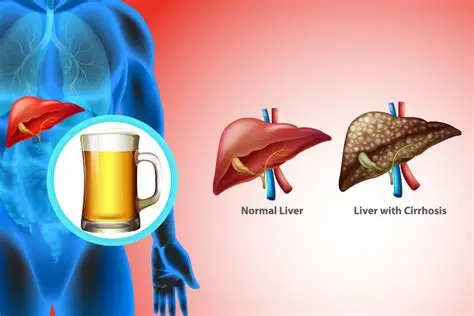
Alcohol-Associated Liver Disease
Long-term excessive alcohol consumption can cause progressive liver injury and may eventually lead to cirrhosis. For people with alcohol-associated liver disease, complete avoidance of alcohol is an important component of management.
Autoimmune and Cholestatic Liver Diseases
Conditions such as autoimmune hepatitis, primary biliary cholangitis, and primary sclerosing cholangitis can cause chronic liver injury and, in some patients, progress to cirrhosis.
Inherited Liver Disorders
Certain inherited conditions, including hemochromatosis, Wilson disease, and alpha-1 antitrypsin deficiency, can cause chronic liver injury and increase the risk of cirrhosis.
Medication-Related and Other Causes
Certain medicines and other medical conditions can cause chronic liver injury. In some patients, no single clear cause is identified. A detailed medical history, medication review, and appropriate testing are therefore important when evaluating cirrhosis.
Step 3: Recognizing the Symptoms of Cirrhosis
Early cirrhosis may cause few symptoms, and some patients may not realize that liver damage is present. As the disease progresses, symptoms can become more apparent.
Possible symptoms include:
Persistent tiredness or weakness
Loss of appetite
Unintentional weight loss
Nausea or vomiting
Itching
Muscle loss or weakness
Muscle cramps
Discomfort in the upper right side of the abdomen
Easy bruising or bleeding
Swelling of the legs and feet
Abdominal swelling due to fluid accumulation
Dark urine
Yellowing of the skin or whites of the eyes
Confusion, memory problems, sleep disturbance, or changes in behavior in advanced disease
The presence and severity of these symptoms vary significantly between individuals.
Step 4: Understanding Compensated and Decompensated Cirrhosis
Cirrhosis is commonly discussed in terms of compensated and decompensated disease.
Compensated Cirrhosis
In compensated cirrhosis, the liver can still perform many of its essential functions, and the patient may have few or no major complications.
Because symptoms can be minimal, diagnosis may occur during an evaluation for abnormal liver tests, hepatitis, fatty liver disease, or another medical concern.
Decompensated Cirrhosis
Decompensation occurs when major complications of cirrhosis develop. Important manifestations include:
Ascites
Hepatic encephalopathy
Gastrointestinal bleeding from portal hypertensive varices
These complications represent a significant change in the course of cirrhosis and generally require closer medical monitoring and specialist management.
Step 5: Understanding Portal Hypertension
As cirrhosis progresses, scar tissue can restrict normal blood flow through the liver. This can increase pressure in the portal vein, a major blood vessel carrying blood from the digestive organs to the liver.
This condition is called portal hypertension.
Portal hypertension can contribute to:
Ascites
Swelling of the legs
Enlargement of the spleen
Esophageal or gastric varices
Gastrointestinal bleeding
Other complications related to advanced liver disease
Understanding portal hypertension is important because several serious complications of cirrhosis are directly related to changes in portal blood flow.
Step 6: Ascites and Abdominal Fluid Accumulation
Ascites is the buildup of fluid inside the abdomen. It is one of the most important complications of cirrhosis and may cause increasing abdominal size, discomfort, early fullness while eating, and difficulty breathing when the fluid accumulation is significant.
Management may include:
Dietary sodium restriction when appropriate
Diuretic medicines
Monitoring kidney function and electrolytes
Paracentesis to remove abdominal fluid when clinically indicated
Evaluation for infection when ascites is new or clinically concerning
Additional procedures or specialist treatment in selected patients with difficult-to-control ascites
New or worsening abdominal swelling in a patient with cirrhosis should be medically assessed.
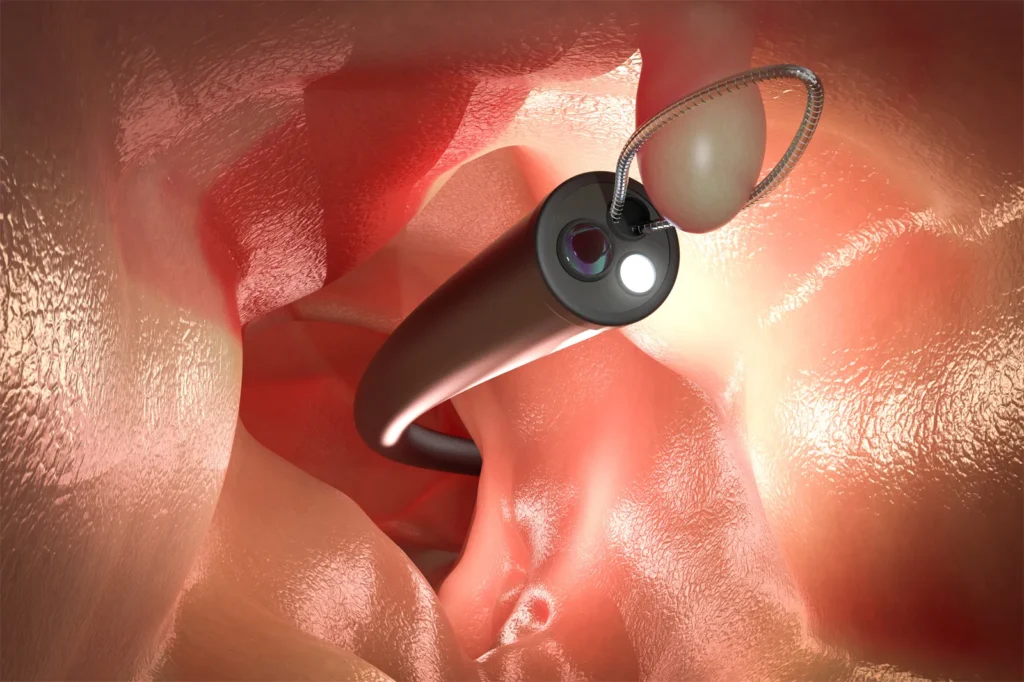
Step 7: Esophageal and Gastric Varices
Portal hypertension can cause veins in the esophagus or stomach to become enlarged. These enlarged veins are known as varices.
Varices may remain silent, but if they rupture, they can cause potentially life-threatening gastrointestinal bleeding.
Warning signs include:
Vomiting blood
Black, tarry stools
Bloody stools
Dizziness or fainting
Severe weakness
Signs of significant blood loss
Vomiting blood or passing black or bloody stools in a patient with cirrhosis requires immediate hospital evaluation. Endoscopic treatment may be required to control bleeding.
Step 8: Hepatic Encephalopathy
The damaged liver may become less effective at processing substances that can affect brain function. This can contribute to hepatic encephalopathy.
Symptoms may include:
Confusion
Difficulty concentrating
Changes in sleep patterns
Memory problems
Changes in behavior or personality
Reduced awareness or altered mental status
Hepatic encephalopathy requires medical assessment because other conditions can cause similar symptoms. Treatment is directed at reducing the factors contributing to the condition and preventing recurrence.
Step 9: Diagnosis of Liver Cirrhosis
Diagnosing cirrhosis involves combining:
Medical history + Physical examination + Blood tests + Imaging + Additional testing when required
The doctor may ask about previous liver disease, hepatitis infection, alcohol exposure, metabolic conditions, medications, supplements, changes in weight, appetite, and family history.
During physical examination, the doctor may look for signs such as jaundice, swelling, abdominal fluid, skin changes, or other findings associated with chronic liver disease.
Step 10: Blood Tests for Cirrhosis
Blood tests help assess liver injury, liver function, possible causes of disease, and the severity of cirrhosis.
Depending on the clinical situation, testing may include:
Liver enzymes such as ALT and AST
Alkaline phosphatase
Bilirubin
Albumin and other blood proteins
Complete Blood Count (CBC)
Blood clotting studies
Hepatitis B and Hepatitis C testing
Autoimmune liver disease tests
Additional investigations based on the suspected cause
Laboratory results are interpreted together with the patient's medical history, examination, and imaging findings.
Step 11: Liver Imaging and Fibrosis Assessment
Imaging studies can help assess the liver's size, shape, texture, and other features associated with chronic liver disease.
Depending on the clinical situation, doctors may use:
Abdominal Ultrasound
Ultrasound is commonly used to examine the liver, gallbladder, spleen, and surrounding abdominal structures.
CT Scan
Computed Tomography (CT) may provide more detailed cross-sectional imaging when additional evaluation is required.
MRI
Magnetic Resonance Imaging (MRI) can provide detailed images of the liver and surrounding structures.
Elastography
Elastography is a non-invasive technique that measures liver stiffness. Increased stiffness may indicate fibrosis or advanced scarring.
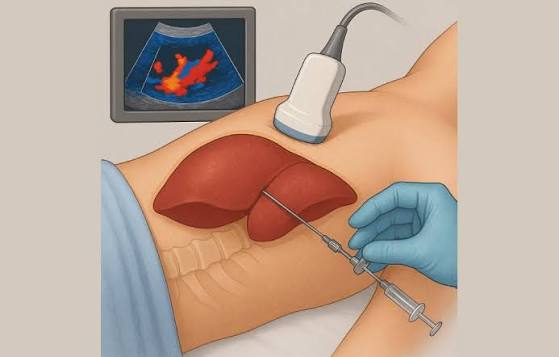
Step 12: Liver Biopsy
A liver biopsy may be considered when the diagnosis or the cause of liver disease remains uncertain after other investigations.
During a biopsy, a small sample of liver tissue is obtained and examined under a microscope. It may help assess the degree of scarring and provide information about the underlying disease process.
A biopsy is not required for every patient with suspected or established cirrhosis.
Step 13: Treatment of the Underlying Cause
There is no single medicine that reverses established cirrhosis in every patient. Treatment focuses on controlling the underlying liver disease, preventing further injury, managing complications, and preserving liver function as long as possible.
Treatment may include:
Hepatitis C
Modern antiviral treatment can eliminate chronic Hepatitis C infection in most appropriately treated patients.
Hepatitis B
Antiviral medicines may be prescribed for selected patients with chronic Hepatitis B to reduce ongoing viral-related liver damage.
Fatty Liver Disease
Management may include healthy weight reduction when appropriate, physical activity, metabolic risk-factor control, and treatment of associated conditions such as diabetes.
Alcohol-Associated Liver Disease
Complete avoidance of alcohol is an important component of management when alcohol-related liver disease is present. Patients may also require structured support for alcohol cessation.
Autoimmune and Cholestatic Disorders
Specific medicines or procedures may be used depending on the underlying diagnosis.
Step 14: Management of Cirrhosis Complications
Treatment does not stop at controlling the original cause. Patients with cirrhosis require monitoring for complications and timely management when they occur.
Depending on the patient's condition, treatment may address:
Ascites → Diuretics, sodium management, paracentesis when indicated
Varices → Preventive medication, endoscopic evaluation or treatment when indicated
Hepatic Encephalopathy → Medicines and management of precipitating factors
Infections → Prompt diagnosis and appropriate antimicrobial treatment
Advanced liver failure → Specialist assessment, including transplant evaluation when appropriate
Step 15: Monitoring for Liver Cancer
Cirrhosis is associated with an increased risk of hepatocellular carcinoma (HCC), the most common primary liver cancer.
For patients with cirrhosis, regular surveillance for liver cancer is an important part of long-term care. The exact surveillance approach should follow the recommendations of the treating specialist and the patient's individual clinical situation. NIDDK notes that doctors may use ultrasound and blood testing as part of ongoing liver cancer surveillance, with surveillance commonly performed every six months.
Step 16: Nutrition and Lifestyle Management
Nutrition is an important part of long-term cirrhosis care.
Patients should discuss their dietary requirements with their doctor or a qualified dietitian, particularly when there is:
Ascites
Fluid retention
Poor appetite
Muscle loss
Malnutrition
Diabetes
Obesity
Other associated medical conditions
Patients with cirrhosis should avoid alcohol, and certain foods or substances may require special precautions depending on the severity and cause of liver disease. NIDDK also advises people with cirrhosis to avoid raw shellfish because of infection risk.
Medication and supplement use should also be reviewed with a healthcare professional because patients with cirrhosis can have altered responses to certain medicines.
Step 17: Regular Follow-Up Is Essential
Cirrhosis is a chronic condition that requires ongoing medical follow-up, even when a patient feels well.
Follow-up may include:
Periodic blood tests
Assessment of liver function
Monitoring for ascites and edema
Evaluation for varices
Monitoring for hepatic encephalopathy
Liver cancer surveillance
Nutritional assessment
Review of medications
Management of diabetes and other metabolic conditions
Assessment for disease progression
Regular monitoring helps identify complications earlier and allows treatment to be adjusted as the patient's condition changes.
Step 18: When to Seek Urgent Medical Attention
Patients with cirrhosis should seek urgent medical care for symptoms that may indicate serious complications.
These include:
Vomiting blood
Black or bloody stools
Sudden or severe abdominal pain
New or rapidly worsening abdominal swelling
Fever, especially with abdominal fluid
Severe confusion or unusual drowsiness
Fainting or severe dizziness
Significant difficulty breathing
Sudden worsening of overall condition
Gastrointestinal bleeding from varices can be life-threatening and requires immediate medical assessment.
Step 19: Can Cirrhosis Be Prevented From Getting Worse?
The progression of cirrhosis depends on its cause and the patient's overall condition. Although established scar tissue is generally permanent, treating the underlying cause can help slow further liver damage and reduce the risk of complications.
Important steps may include:
Treat the underlying liver disease → Avoid further liver injury → Follow prescribed treatment → Maintain appropriate nutrition and physical activity → Attend regular follow-up → Monitor and manage complications early
Step 20: When Is Liver Transplant Evaluation Considered?
In advanced cirrhosis, the liver may eventually lose the ability to perform its essential functions, resulting in end-stage liver disease or liver failure.
When appropriate, patients with advanced or decompensated cirrhosis may be referred to a specialist center for assessment for liver transplantation.
Transplant evaluation is individualized and depends on the severity of liver disease, complications, overall health, and other clinical factors.
Frequently Asked Questions About Liver Cirrhosis
What is liver cirrhosis?
Cirrhosis is advanced scarring and permanent structural damage of the liver caused by long-term liver injury.
What are the most common causes of cirrhosis?
Common causes include chronic Hepatitis B or C, alcohol-associated liver disease, and fatty liver disease associated with metabolic conditions. Other liver diseases can also cause cirrhosis.
Can cirrhosis cause abdominal swelling?
Yes. Fluid accumulation in the abdomen, known as ascites, is a common complication of advanced cirrhosis.
Can cirrhosis cause vomiting blood?
Yes. Portal hypertension can lead to enlarged veins called varices in the esophagus or stomach. If these veins rupture, significant gastrointestinal bleeding can occur.
Can cirrhosis be cured?
Established cirrhosis represents permanent scarring, but treatment of the underlying cause may slow or prevent further liver damage and help reduce complications.
Does every patient with cirrhosis have symptoms?
No. Early cirrhosis may cause few or no noticeable symptoms.
What tests are used to diagnose cirrhosis?
Doctors may use blood tests, ultrasound, CT, MRI, elastography, and, in selected cases, liver biopsy.
Conclusion
Liver Cirrhosis is a serious chronic liver condition that requires careful diagnosis, treatment, and long-term monitoring. Because cirrhosis can develop silently, recognizing risk factors and investigating abnormal liver tests or concerning symptoms is important.
Effective management focuses on identifying and treating the underlying cause, preventing additional liver injury, monitoring for complications such as ascites, varices, hepatic encephalopathy, and liver cancer, and providing appropriate specialist care when disease becomes advanced.
With regular medical follow-up and appropriate management, many complications can be detected and treated at an earlier stage. Anyone experiencing symptoms suggestive of chronic liver disease or who has known liver disease should undergo appropriate evaluation by a qualified physician or gastroenterology/hepatology specialist.