Liver Biopsy:
1. Introduction
A liver biopsy is a medical procedure in which a small sample of liver tissue is collected and examined under a microscope. It helps doctors diagnose liver diseases, assess the severity of liver damage, and evaluate inflammation, fibrosis, and other abnormalities.
Liver biopsy is commonly performed when blood tests, imaging studies, or other investigations cannot provide sufficient information about the underlying liver condition. The procedure may be performed using a needle through the skin, through a vein in the neck, or during surgery in selected cases.
2. What Is a Liver Biopsy?
A liver biopsy is a diagnostic procedure in which a small piece of liver tissue is obtained for laboratory examination. The collected sample is sent to a pathology laboratory, where a pathologist examines it to identify abnormal changes in liver cells and tissue structure.
The results can help determine the type of liver disease, the degree of inflammation, the amount of fibrosis or scarring, and the presence of certain deposits or abnormal cells.
3. Purpose of Liver Biopsy
The main purposes of a liver biopsy include:
- Diagnosing unexplained liver abnormalities.
- Identifying the cause of persistent elevation of liver enzymes.
- Evaluating chronic liver diseases.
- Assessing inflammation and liver cell injury.
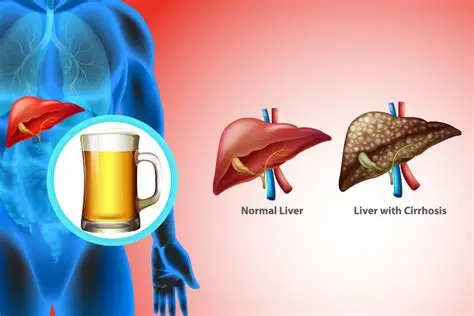
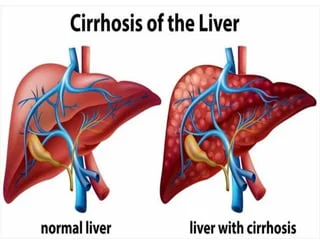
- Determining the degree of liver fibrosis and cirrhosis.
- Investigating suspected autoimmune liver disease.
- Assessing selected cases of fatty liver disease.
- Diagnosing certain infiltrative diseases and liver tumors.
- Evaluating suspected rejection or other complications after liver transplantation.
- Assessing the response to treatment in selected patients.
A liver biopsy is not required for every liver condition. Doctors consider the patient's clinical findings, blood tests, imaging results, and available non-invasive alternatives before recommending it.
4. Indications for Liver Biopsy
A liver biopsy may be recommended in the following situations:
A. Chronic Liver Disease
It may help evaluate chronic hepatitis, persistent liver inflammation, and unexplained abnormalities in liver function tests.
B. Fatty Liver Disease
In selected patients, biopsy can help distinguish simple steatosis from steatohepatitis and assess the degree of fibrosis when the result may influence management.
C. Autoimmune Liver Disease
A biopsy may support the diagnosis and assessment of autoimmune hepatitis and certain other immune-mediated liver conditions.
D. Unexplained Liver Enzyme Elevation
When liver enzymes remain elevated and the cause is unclear after appropriate investigations, a biopsy may provide additional diagnostic information.
E. Suspected Liver Tumor
A tissue sample may be required to establish a diagnosis in selected liver lesions. However, biopsy is not appropriate for every liver mass because imaging may be sufficient and some lesions carry a risk of bleeding or tumor seeding.
F. Liver Transplant Complications
A biopsy may help investigate suspected rejection or other graft-related problems following liver transplantation.
5. Types of Liver Biopsy
There are three main approaches to obtaining a liver tissue sample.
1. Percutaneous Liver Biopsy
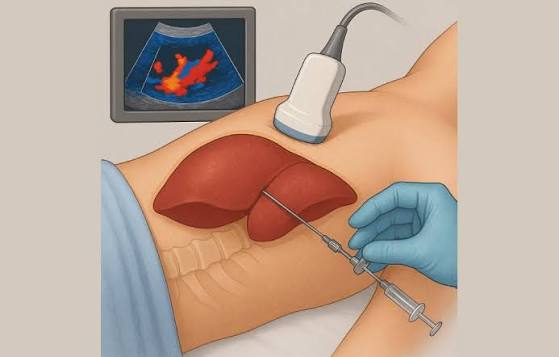
This is the most common approach. A biopsy needle is inserted through the skin into the liver, usually through the right upper abdomen, to obtain a small tissue sample.
Ultrasound guidance is often used to identify a suitable sampling site and reduce procedural risk.
2. Transjugular Liver Biopsy
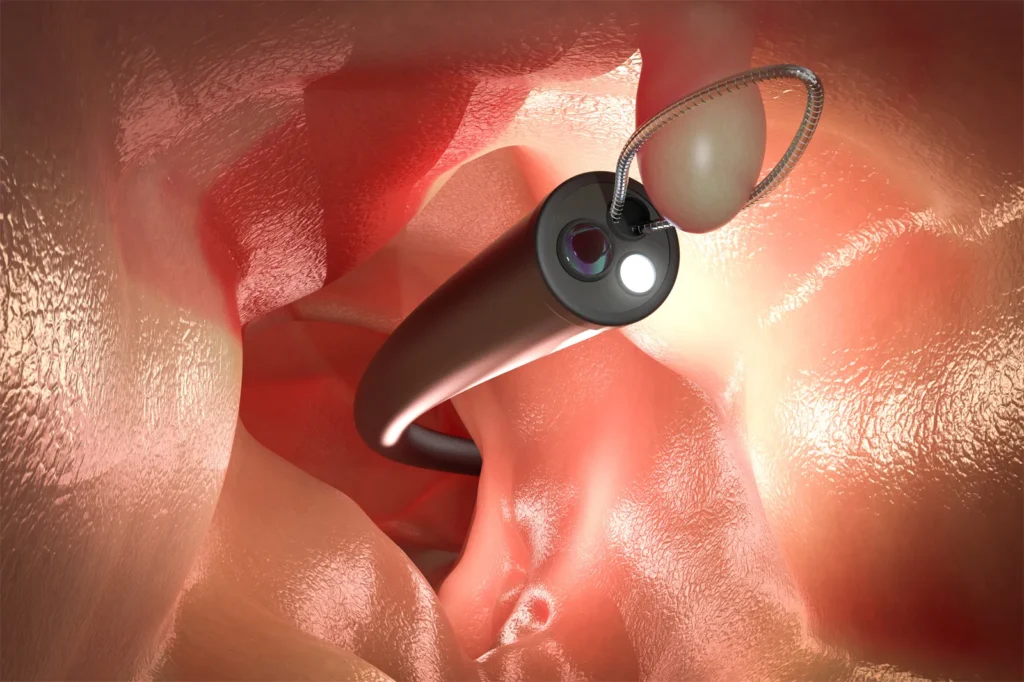
In this approach, a catheter is introduced through a vein in the neck, usually the internal jugular vein, and advanced into the hepatic venous system. A biopsy sample is then obtained from within the liver.
This approach may be preferred for patients with selected bleeding risks, significant ascites, or other circumstances in which a percutaneous biopsy is unsuitable.
3. Laparoscopic or Surgical Liver Biopsy
A tissue sample is obtained during laparoscopy or open surgery. This approach may be used when a biopsy is needed during another surgical procedure or when direct visualization is clinically beneficial.
6. Preparation Before Liver Biopsy
Proper preparation is essential to minimize complications and ensure patient safety.
Step 1: Medical History
The healthcare team reviews the patient's medical history, existing liver disease, previous surgeries, allergies, and current medications.
Step 2: Physical Examination
The patient is assessed for general health, abdominal findings, jaundice, ascites, and other relevant clinical signs.
Step 3: Blood Investigations
Tests may include:
- Complete blood count (CBC), particularly platelet count.
- Prothrombin time (PT) and international normalized ratio (INR).
- Liver function tests.
- Other tests based on the patient's medical condition.
These investigations help assess the patient's condition and bleeding risk.
Step 4: Imaging Studies
Ultrasound or other imaging may be performed to evaluate the liver, identify a suitable biopsy site, and assess relevant anatomical features.
Step 5: Medication Review
Anticoagulants, antiplatelet drugs, and other medications that may affect bleeding risk must be reviewed. Patients should not stop prescribed medications without instructions from their healthcare team.
Step 6: Informed Consent
The doctor explains the purpose of the biopsy, expected benefits, possible complications, alternative investigations, and post-procedure care. Informed consent is obtained according to clinical and institutional requirements.
Step 7: Fasting
Fasting instructions depend on the biopsy technique, sedation plan, and local protocol. The patient should follow the instructions provided by the treating team.
Step 8: Baseline Assessment
Vital signs, including blood pressure, pulse, respiratory rate, temperature, and oxygen saturation when appropriate, are recorded before the procedure.
7. Equipment Required for Liver Biopsy
The equipment varies according to the biopsy technique and clinical setting. Commonly required items include:
- Liver biopsy needle or biopsy device.
- Sterile gloves and protective equipment.
- Antiseptic solution.
- Sterile drapes and gauze.
- Local anesthetic and appropriate syringes.
- Ultrasound equipment when indicated.
- Specimen container with the appropriate laboratory fixative.
- Labels and pathology request forms.
- Monitoring equipment.
- Emergency equipment and supplies for managing complications.
The correct specimen container and handling procedure depend on the type of pathological examination requested.
8. Liver Biopsy Procedure: Step-by-Step
The following steps describe a typical ultrasound-guided percutaneous liver biopsy.
Step 1: Patient Identification and Verification
The healthcare team confirms the patient's identity, indication for biopsy, consent, relevant investigations, allergies, and planned procedure.
Step 2: Patient Positioning
The patient is positioned according to the selected biopsy technique, commonly lying on the back or slightly turned onto the left side for a percutaneous biopsy.
Step 3: Monitoring
Baseline vital signs are recorded, and appropriate monitoring is established according to the patient's condition and the planned procedure.
Step 4: Identification of the Biopsy Site
The doctor examines the liver using physical assessment and, when appropriate, ultrasound guidance to identify a suitable sampling site.
Step 5: Skin Preparation
The skin over the selected site is cleaned with an antiseptic solution, and sterile drapes are applied to maintain aseptic technique.
Step 6: Local Anesthesia
A local anesthetic is administered to numb the skin and deeper tissues along the planned needle path.
Step 7: Insertion of the Biopsy Needle
The biopsy needle is introduced through the skin toward the selected area of the liver using the technique appropriate to the device and imaging guidance.
Step 8: Collection of the Tissue Sample
A small core of liver tissue is obtained using the biopsy device. The sample is collected carefully to ensure it is suitable for pathological examination.
Step 9: Withdrawal of the Needle
The needle is withdrawn, and pressure or other appropriate measures are applied to the biopsy site to help control bleeding.
Step 10: Specimen Handling
The tissue sample is placed in the appropriate container, labeled correctly, and sent to the pathology laboratory with the relevant clinical information.
Step 11: Dressing Application
A sterile dressing is applied to the puncture site.
Step 12: Post-Procedure Observation
The patient is monitored for pain, bleeding, changes in vital signs, and other possible complications.
Important: Liver biopsy is an invasive procedure that must be performed by appropriately trained healthcare professionals in a suitable clinical setting.
9. What Happens After a Liver Biopsy?
After the procedure, the patient is transferred to a recovery or observation area.
The healthcare team may:
- Monitor blood pressure, pulse, and other vital signs.
- Assess pain and general comfort.
- Inspect the biopsy site for bleeding.
- Observe for abdominal pain, dizziness, weakness, or other concerning symptoms.
- Maintain the recommended observation period according to the technique and local protocol.
- Provide instructions regarding activity restrictions and discharge.
- Explain when and how the biopsy results will be communicated.
The duration of observation depends on the biopsy method, the patient's condition, and the presence of any complications.
10. Possible Complications of Liver Biopsy
Liver biopsy is generally safe when appropriately indicated and performed, but complications can occur.
A. Pain
Temporary discomfort at the biopsy site or in the right upper abdomen is relatively common. Some patients may experience pain referred to the right shoulder.
B. Bleeding
Bleeding is the most important serious complication. It may occur within the liver or, rarely, into the abdominal cavity.
C. Infection
Infection is uncommon but may occur following an invasive procedure.
D. Injury to Nearby Organs
In rare cases, the needle may injure nearby structures, depending on the anatomy and biopsy approach.
E. Bile Leak
Damage to a bile duct may occasionally cause bile leakage or related complications.
F. Injury to the Lung or Pleura
Depending on the needle path, injury to structures near the diaphragm may occur rarely.
G. Inadequate Tissue Sample
Sometimes the sample is insufficient for a definitive diagnosis, and further evaluation may be necessary.
Serious complications are uncommon, but patients should understand the warning signs and follow their discharge instructions.
11. Nursing Responsibilities During Liver Biopsy
Before the Procedure
- Verify patient identity and the planned procedure.
- Confirm that informed consent has been completed.
- Review relevant laboratory investigations and imaging reports.
- Check allergies and review medications that may affect bleeding.
- Confirm fasting instructions when applicable.
- Record baseline vital signs.
- Explain the procedure and provide reassurance.
- Prepare the patient and required equipment according to institutional protocol.
During the Procedure
- Assist the doctor as required.
- Maintain aseptic technique.
- Help position the patient appropriately.
- Monitor the patient's condition and vital signs as indicated.
- Assist with specimen collection, labeling, and handling.
- Report pain, distress, or changes in the patient's condition immediately.
After the Procedure
- Monitor vital signs according to the clinical protocol.
- Assess the biopsy site for bleeding.
- Observe for increasing abdominal pain, right shoulder pain, dizziness, pallor, or weakness.
- Maintain the recommended observation period.
- Administer prescribed medications as directed.
- Ensure that the specimen is correctly labeled and transported.
- Provide discharge instructions and document the patient's condition and care.
12. Post-Biopsy Care and Patient Instructions
Following a liver biopsy, patients should follow the instructions provided by their healthcare team.
- Rest for the recommended period.
- Avoid strenuous activity and heavy lifting for the period advised by the treating clinician.
- Keep the biopsy site clean and follow dressing instructions.
- Take only medications approved by the treating team.
- Attend follow-up appointments to discuss the pathology results.
- Seek urgent medical attention if warning signs develop.
Warning Signs After Liver Biopsy
Urgent medical evaluation is required for:
- Severe or increasing abdominal pain.
- Persistent bleeding from the biopsy site.
- Dizziness, fainting, or marked weakness.
- Shortness of breath or chest pain.
- Fever or chills.
- Abdominal swelling or other signs of internal bleeding.
These symptoms may indicate a complication and should not be ignored.
13. How Long Does It Take to Get Liver Biopsy Results?
The time required to obtain results depends on the laboratory, the complexity of the tissue examination, and whether additional tests are needed.
The pathologist examines the tissue under a microscope and may use special stains or other investigations when appropriate. The doctor then interprets the results alongside the patient's symptoms, blood tests, and imaging findings.
14. Advantages of Liver Biopsy
The main advantages include:
- Provides direct examination of liver tissue.
- Helps diagnose selected liver diseases.
- Can assess inflammation and fibrosis.
- May help clarify uncertain findings from other investigations.
- Can guide treatment decisions in selected patients.
- May help evaluate certain complications after liver transplantation.
However, non-invasive tests such as elastography and appropriate blood-based assessments may provide sufficient information in many cases.
15. Frequently Asked Questions About Liver Biopsy
Is a liver biopsy painful?
Local anesthesia is used for a percutaneous biopsy. Some pressure or brief discomfort may occur during the procedure, and temporary pain may develop afterward. Pain that is severe or worsening requires urgent assessment.
How long does a liver biopsy take?
The biopsy itself is generally brief, but preparation and post-procedure observation take additional time. The total duration varies according to the technique and the patient's condition.
Is liver biopsy a major surgery?
A percutaneous liver biopsy is generally considered a minimally invasive diagnostic procedure rather than major surgery. Other biopsy approaches may involve more complex interventions.
Can a liver biopsy detect cirrhosis?
Yes. A liver biopsy can demonstrate fibrosis and cirrhosis. However, other investigations, including imaging and elastography, can also help assess liver scarring.
Is hospital admission necessary after a liver biopsy?
Not always. Many patients can go home after an appropriate observation period if they are clinically stable and meet the discharge criteria. Some patients require longer monitoring or hospital admission.
When should a patient seek medical attention after a liver biopsy?
Urgent medical attention is required for severe abdominal pain, fainting, persistent bleeding, breathing difficulty, fever, or other concerning symptoms.
16. Conclusion
Liver biopsy is an important diagnostic procedure used to evaluate selected liver diseases and determine the extent of tissue damage. Careful patient assessment, appropriate biopsy technique, proper specimen handling, and close post-procedure monitoring are essential for patient safety.
Although alternative non-invasive tests can often provide useful information, liver biopsy remains valuable when direct tissue examination is necessary to establish a diagnosis or guide treatment.
Medical Disclaimer: This article is intended for educational purposes only and does not replace professional medical advice, diagnosis, or treatment. Liver biopsy should be recommended and performed by qualified healthcare professionals after an individualized assessment of the benefits and risks.