Endoscopic Polypectomy:
Introduction: What Is Endoscopic Polypectomy?
Endoscopic Polypectomy is a minimally invasive procedure used to identify and remove abnormal tissue growths called polyps from the digestive tract, especially the colon and rectum. These growths develop on the inner lining of the gastrointestinal tract and may vary in size, shape, and type.
Although many polyps are harmless, certain types can develop into colorectal cancer over time. Early detection and appropriate removal can help reduce this risk and support long-term digestive health.
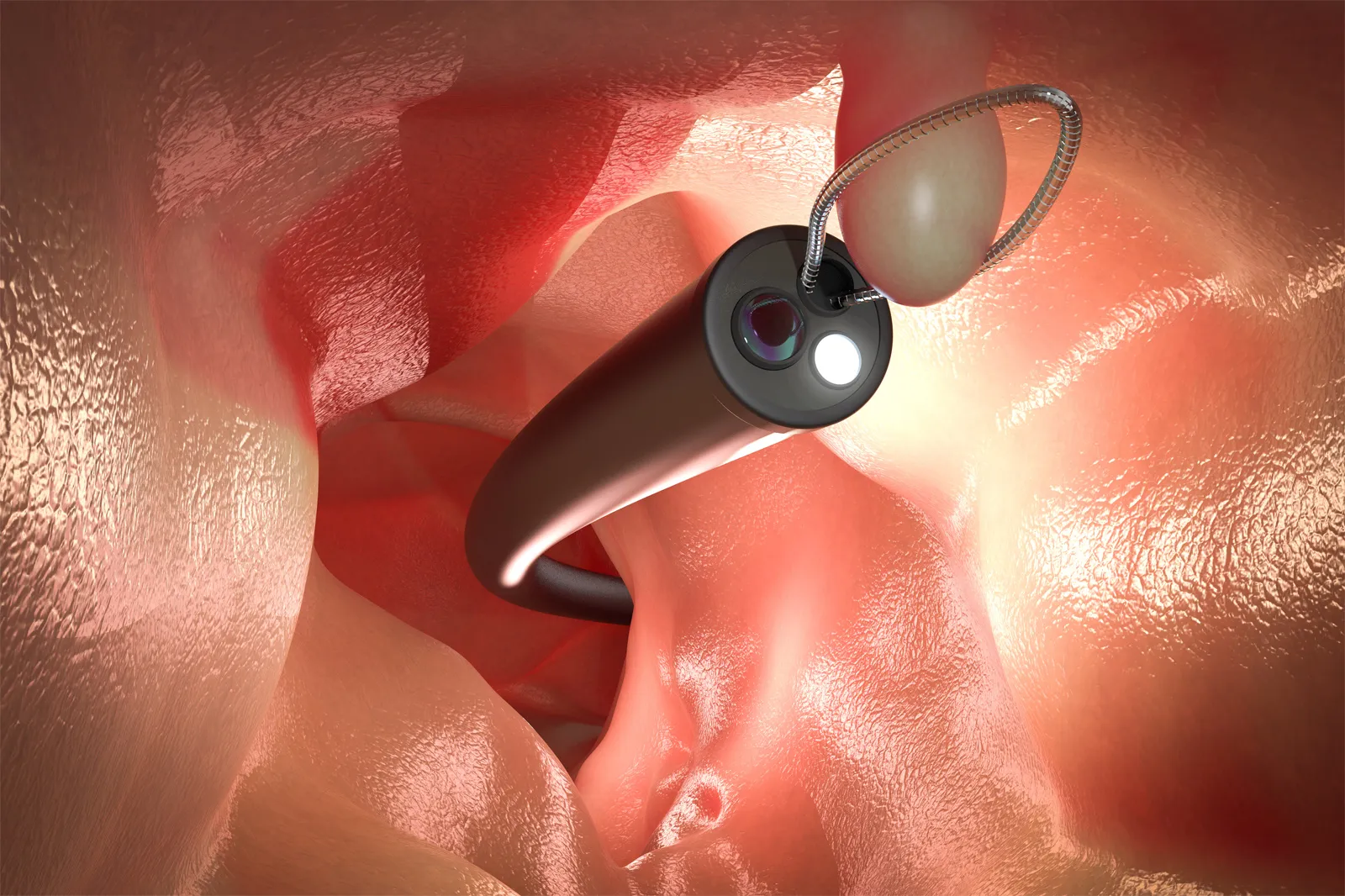
The procedure is usually performed during an endoscopic examination, such as a colonoscopy, using a flexible tube equipped with a camera and specialized instruments. This allows a gastroenterologist to examine the digestive tract, identify abnormal growths, and remove suitable polyps without the need for traditional open surgery in many cases.
Understanding endoscopic polypectomy can help patients feel more confident about their treatment, recognize the importance of screening, and make informed decisions about their gastrointestinal health.
1. Why Is Endoscopic Polypectomy Important?
Gastrointestinal polyps may remain unnoticed for years because many do not cause symptoms in their early stages. Some polyps, however, have the potential to become cancerous.
Endoscopic polypectomy helps doctors address these growths before they cause further problems.
Key reasons this procedure is important include:
Reducing Cancer Risk: Removing certain precancerous polyps can help prevent colorectal cancer.
Early Detection: Endoscopic examination allows doctors to identify abnormal growths before symptoms develop.
Accurate Diagnosis: Removed tissue can be sent to a laboratory for detailed microscopic examination.
Minimally Invasive Treatment: Many polyps can be removed through an endoscope without conventional abdominal surgery.
Personalized Follow-Up: Examination and pathology results help determine whether additional monitoring or treatment is needed.
The decision to remove a polyp depends on its characteristics, location, size, and the patient's overall medical condition.
2. What Are Gastrointestinal Polyps?
Polyps are abnormal growths that develop from the lining of the digestive tract. They are commonly found in the colon and rectum but may also occur in other parts of the gastrointestinal system.
The main types include:
Adenomatous Polyps (Adenomas)
These are precancerous growths that can develop into colorectal cancer over time. Their removal is an important part of colorectal cancer prevention.
Hyperplastic Polyps
These are generally small and carry a low risk of cancer, particularly when located in the rectum or sigmoid colon. Their significance depends on their size, location, and other features.
Serrated Polyps
Some serrated polyps, particularly sessile serrated lesions and traditional serrated adenomas, can develop into colorectal cancer and may require removal and appropriate follow-up.
Inflammatory Polyps
These may develop in association with inflammatory bowel diseases or other inflammatory conditions. Their management depends on the underlying condition and examination findings.
Not every polyp has the same cancer risk. A gastroenterologist evaluates each growth individually to determine the most appropriate management.
3. What Symptoms May Be Associated With Polyps?
Many gastrointestinal polyps do not cause noticeable symptoms. They are often discovered during routine screening or colonoscopy performed for another reason.
When symptoms occur, they may include:
Blood in the stool or rectal bleeding.
Changes in bowel habits, including persistent diarrhea or constipation.
Unexplained iron-deficiency anemia caused by chronic blood loss.
Mucus in the stool in some cases.
Abdominal discomfort in certain situations.
Rarely, symptoms related to a large polyp causing partial intestinal obstruction.
These symptoms can have many causes and do not necessarily mean that a person has polyps or cancer. Persistent rectal bleeding, unexplained anemia, or ongoing changes in bowel habits should be evaluated by a healthcare professional.
4. When Is Endoscopic Polypectomy Recommended?
A gastroenterologist may recommend polypectomy when a suitable polyp is identified during colonoscopy or another relevant endoscopic examination.
Common indications include:
Polyps discovered during routine colorectal cancer screening.
Removal of suspected precancerous growths.
Evaluation and management of selected polyps associated with rectal bleeding.
Removal of suitable lesions identified during diagnostic colonoscopy.
Assessment of polyps in patients with a personal history of colorectal polyps.
Management of selected growths in patients with a family history of colorectal cancer.
Removal or further evaluation of polyps that have changed in size or appearance.
Some lesions are too large, too complex, or suspicious for invasive cancer to be removed safely during a routine procedure. Such cases may require advanced endoscopic treatment, specialist referral, or surgical evaluation.
5. How Is Endoscopic Polypectomy Performed? Step-by-Step Procedure
The procedure is planned according to the patient's condition and the characteristics of the polyp.
Step 1: Initial Consultation and Medical Assessment
The doctor reviews the patient's symptoms, medical history, current medications, allergies, and previous endoscopy reports. Particular attention is given to blood-thinning medicines, bleeding disorders, and other conditions that may affect procedural safety.
Step 2: Bowel Preparation
For colon polypectomy, bowel preparation is usually required to clear stool from the colon. The patient receives instructions about the prescribed bowel-cleansing solution, dietary restrictions, and fluid intake.
Proper preparation helps the doctor visualize the intestinal lining and identify polyps that might otherwise be missed.
Step 3: Patient Preparation and Sedation
The healthcare team checks the patient's vital signs and prepares them for the procedure. Sedation is commonly offered, depending on the patient's needs, the procedure, and local practice. The team monitors the patient's condition throughout the examination.
Step 4: Endoscopic Examination
The doctor gently inserts a colonoscope through the rectum and advances it through the colon. The camera provides images of the intestinal lining, allowing the doctor to examine the area and identify abnormal growths.
Step 5: Assessment of the Polyp
The gastroenterologist evaluates the polyp's size, shape, location, and surface characteristics. These details help determine whether the polyp can be removed safely and which technique is most appropriate.
Step 6: Removal of the Polyp
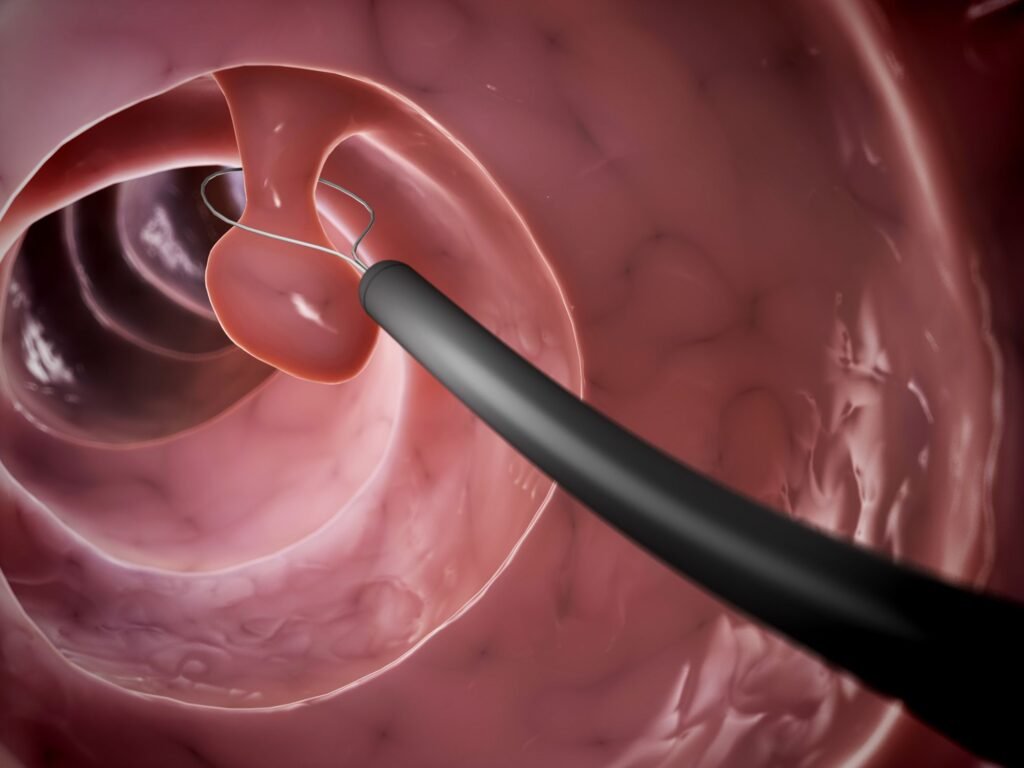
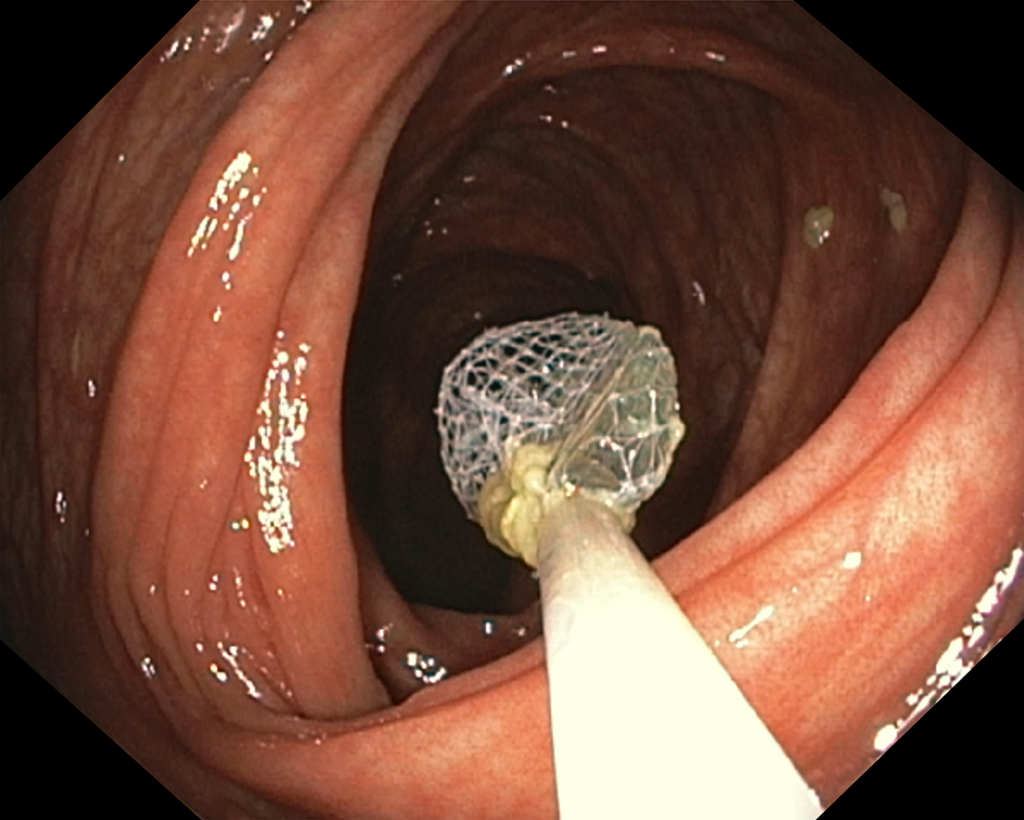
A suitable polyp is removed using specialized endoscopic instruments. Small polyps may be removed with a cold snare, while selected larger lesions may require a hot snare or advanced techniques such as endoscopic mucosal resection.
The doctor may use additional measures to control bleeding or close a defect when clinically indicated.
Step 7: Collection of Tissue Samples
Removed tissue is generally retrieved and sent to a pathology laboratory. Microscopic examination helps identify the polyp type and determine whether precancerous or cancerous changes are present.
Step 8: Recovery and Observation
After the procedure, the patient is monitored while recovering from sedation, if used. The healthcare team explains the initial findings, provides aftercare instructions, and advises when to seek medical attention.
Step 9: Follow-Up and Treatment Planning
Once pathology results are available, the doctor discusses their significance with the patient. Depending on the findings, the patient may need routine screening, an earlier repeat colonoscopy, advanced treatment, or additional evaluation.
6. Techniques Used in Endoscopic Polypectomy
Different removal techniques are selected according to the polyp's characteristics.
Cold Snare Polypectomy
This technique removes suitable polyps using a wire snare without applying electrocautery. It is commonly used for small polyps and selected lesions for which a cold-snare approach is appropriate.
Hot Snare Polypectomy
This method uses a wire snare with electrocautery to remove selected polyps. It may be used for appropriate lesions based on their size, shape, and location.
Endoscopic Mucosal Resection (EMR)
EMR is an advanced technique used to remove certain larger or flatter lesions from the superficial layers of the gastrointestinal lining. It may involve lifting the lesion before resection.
Advanced Endoscopic Resection
Some complex lesions require specialized techniques, careful assessment, or referral to an experienced therapeutic endoscopist. If a lesion shows features suggesting invasive cancer, the doctor will determine whether endoscopic removal or surgical management is more appropriate.
7. Major Benefits of Endoscopic Polypectomy
Endoscopic polypectomy offers several important benefits for appropriately selected patients.
Helps Prevent Colorectal Cancer: Removing certain precancerous polyps reduces the opportunity for those lesions to progress to cancer.
Minimally Invasive Approach: Many polyps can be removed without traditional open surgery.
Supports Early Diagnosis: Tissue examination can identify precancerous changes and some cancers.
May Avoid More Extensive Treatment: Suitable lesions can often be managed endoscopically, although not every lesion is appropriate for this approach.
Usually Allows Faster Recovery: Recovery is generally shorter than after major abdominal surgery, depending on the complexity of the procedure.
Provides a Clear Follow-Up Plan: Pathology findings and colonoscopy results help guide future screening and treatment.
The benefits depend on the type of polyp, completeness of removal, the patient's health, and the quality of follow-up care.
8. Is Endoscopic Polypectomy Safe?
Endoscopic polypectomy is widely used and is generally safe when performed by appropriately trained professionals. However, as with any medical procedure, it carries potential risks.
Possible complications include:
Bleeding during or after removal.
Perforation, meaning a tear in the wall of the digestive tract.
Adverse reactions to sedation or medication.
Rarely, infection or other procedure-related complications.
Incomplete removal or recurrence of certain lesions.
The risk varies according to the size and location of the polyp, the removal technique, the patient's medical history, and the complexity of the procedure.
Patients should discuss their individual risks and benefits with their treating gastroenterologist before undergoing treatment.
9. Recovery and Aftercare: What Should Patients Expect?
Recovery depends on the number and size of polyps removed and the technique used. Many patients can return to their usual routine relatively quickly after an uncomplicated procedure, but larger or more complex resections may require additional precautions.
Important aftercare recommendations include:
Follow the doctor's instructions about eating, drinking, and resuming normal activities.
Do not drive, operate machinery, or make important decisions for the period specified after sedation.
Follow medical advice about restarting blood-thinning medicines.
Avoid strenuous activity for the period recommended by the healthcare team.
Attend follow-up visits and discuss the pathology report.
Follow the recommended schedule for future colonoscopy.
Seek urgent medical attention for severe or worsening abdominal pain, heavy or persistent rectal bleeding, fever, dizziness, fainting, or other concerning symptoms after the procedure. Some delayed bleeding can occur after polyp removal.
10. What Happens After the Polyp Is Removed?
Removal of the polyp is an important step, but follow-up is equally important.
The removed tissue is generally examined under a microscope. The pathology report may identify the polyp type, whether precancerous changes are present, and whether cancer has been detected in the sample.
The doctor considers these results along with the number and size of polyps, completeness of removal, quality of bowel preparation, and personal and family medical history.
Some patients may require an earlier repeat colonoscopy, while others may follow standard screening intervals. If cancer or an advanced lesion is identified, further testing or treatment may be recommended.
Patients should not assume that every polyp is cancerous or that removal eliminates every future risk. Continued screening is important when recommended by the treating doctor.
11. Who Should Consider Colorectal Cancer Screening?
Colorectal cancer screening is an important part of preventive healthcare. The appropriate starting age and screening method depend on local guidelines and individual risk factors.
People who may need particular attention include:
Adults who are due for routine colorectal cancer screening.
Individuals with a personal history of colorectal polyps.
People with a family history of colorectal cancer or advanced polyps.
Individuals with certain inherited conditions that increase colorectal cancer risk.
Patients with inflammatory bowel diseases involving the colon, who may require a specialized surveillance plan.
People experiencing symptoms such as rectal bleeding or unexplained anemia may need diagnostic evaluation rather than routine screening alone.
A qualified healthcare professional can recommend an appropriate plan based on age, symptoms, medical history, and personal risk.
12. Why Choose an Experienced Gastroenterologist?
The safe and effective removal of gastrointestinal polyps requires careful assessment, appropriate equipment, technical expertise, and a clear follow-up plan.
An experienced gastroenterologist can evaluate the polyp's characteristics, select an appropriate removal technique, recognize possible complications, and coordinate further treatment when necessary.
Patients should look for a healthcare provider who explains the procedure clearly, discusses potential risks, reviews pathology results, and provides individualized follow-up recommendations.
Conclusion: Protect Your Digestive Health Through Early Detection
Endoscopic Polypectomy is an important procedure in modern gastroenterology. By identifying and removing suitable gastrointestinal polyps, it can help prevent certain cases of colorectal cancer, support accurate diagnosis, and reduce the need for more extensive treatment in appropriately selected patients.
Although many polyps do not cause symptoms, their early detection can make a meaningful difference in long-term digestive health. Screening when appropriate, timely medical evaluation, careful polyp removal, and regular follow-up all play essential roles in colorectal cancer prevention.
If you have been diagnosed with gastrointestinal polyps, have a history of colorectal polyps, or have symptoms that require investigation, consult a qualified gastroenterologist to discuss the most appropriate next steps for your health.
Medical Disclaimer: This article is intended for general educational purposes and does not replace professional medical advice, diagnosis, or treatment. The need for endoscopic polypectomy and the choice of technique should be determined by a qualified healthcare professional after an individual assessment.