Polypectomy
Polypectomy is an endoscopic procedure used to safely remove abnormal growths called polyps from the digestive tract, most commonly from the colon and rectum. Removing polyps helps prevent potential complications and allows the removed tissue to be examined for further evaluation.
Step-by-Step Procedure
1. Patient Assessment
The patient’s medical history, symptoms, medications, allergies, and relevant test results are reviewed before the procedure.
2. Preparation & Sedation
The patient is prepared according to the type and location of the procedure. Sedation or anesthesia may be provided to ensure comfort and relaxation.
3. Endoscopic Examination
A flexible endoscope is carefully introduced into the digestive tract. The specialist examines the lining of the intestine and identifies any polyps or abnormal areas.
4. Polyp Identification
The size, shape, number, and location of each polyp are assessed to determine the appropriate removal technique.
5. Polyp Removal
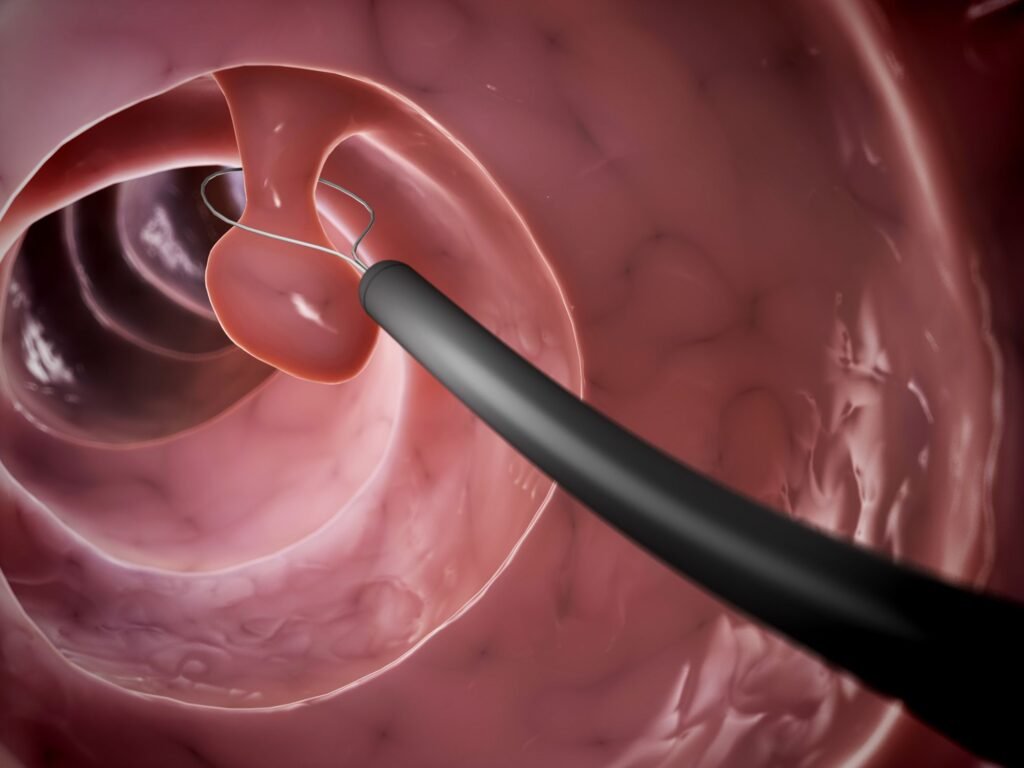
Depending on the polyp’s characteristics, it may be removed using an endoscopic snare or other suitable endoscopic techniques. Small polyps may be removed directly, while larger lesions may require specialized techniques such as endoscopic mucosal resection (EMR).
6. Bleeding Control
After removal, the treated area is carefully inspected. If necessary, endoscopic techniques may be used to control or prevent bleeding.
7. Tissue Retrieval & Laboratory Examination
The removed polyp is collected and sent for histopathological examination. This helps determine the nature of the tissue and whether any further evaluation or treatment is required.
8. Recovery & Monitoring
The patient is monitored after the procedure until the effects of sedation have sufficiently worn off. Post-procedure instructions are provided regarding diet, medications, activity, and warning signs.
Benefits of Polypectomy
Removes potentially problematic polyps
Helps reduce the risk of colorectal cancer from certain precancerous polyps
Provides tissue for accurate laboratory diagnosis
Can be performed during the same endoscopic examination
Minimally invasive compared with surgical removal
Aftercare
Patients are advised to follow the specialist’s instructions after the procedure. Mild abdominal discomfort or temporary bloating may occur. Any significant bleeding, severe abdominal pain, fever, dizziness, or other concerning symptoms should be reported promptly to the treating medical team.
Polypectomy is performed by a trained gastroenterology/endoscopy specialist using appropriate endoscopic techniques based on the size, location, and characteristics of the polyp.