Endoscopy (Upper GI Endoscopy)
Upper GI Endoscopy, also known as Esophagogastroduodenoscopy (EGD), is a minimally invasive diagnostic and therapeutic procedure used to examine the upper part of the digestive system. It allows the doctor to directly visualize the esophagus, stomach, and duodenum using a thin, flexible endoscope equipped with a high-definition camera and light source.
The procedure helps identify the cause of symptoms such as persistent abdominal or upper abdominal pain, heartburn, difficulty or pain while swallowing, nausea, vomiting, unexplained weight loss, gastrointestinal bleeding, anemia, and other digestive problems. When required, certain treatments and tissue sampling can also be performed during the same procedure. The best Gastroentrologist . https://doctoraklohana.com/
Step 1: Patient Assessment & Preparation
Before the procedure, the doctor reviews the patient's medical history, current symptoms, medications, allergies, and any previous gastrointestinal investigations. The patient is given instructions regarding fasting and is advised to inform the medical team about blood-thinning medications, diabetes medications, or other important medicines.
The patient is usually required to remain fasting for a specified period before the procedure so that the upper digestive tract can be examined safely and clearly.
Step 2: Pre-Procedure Monitoring
On arrival, the patient's vital signs are assessed, including blood pressure, pulse, oxygen saturation, and other relevant parameters. The medical team explains the procedure, its purpose, expected benefits, and possible risks.
A consent process is completed before proceeding.
Step 3: Positioning & Sedation
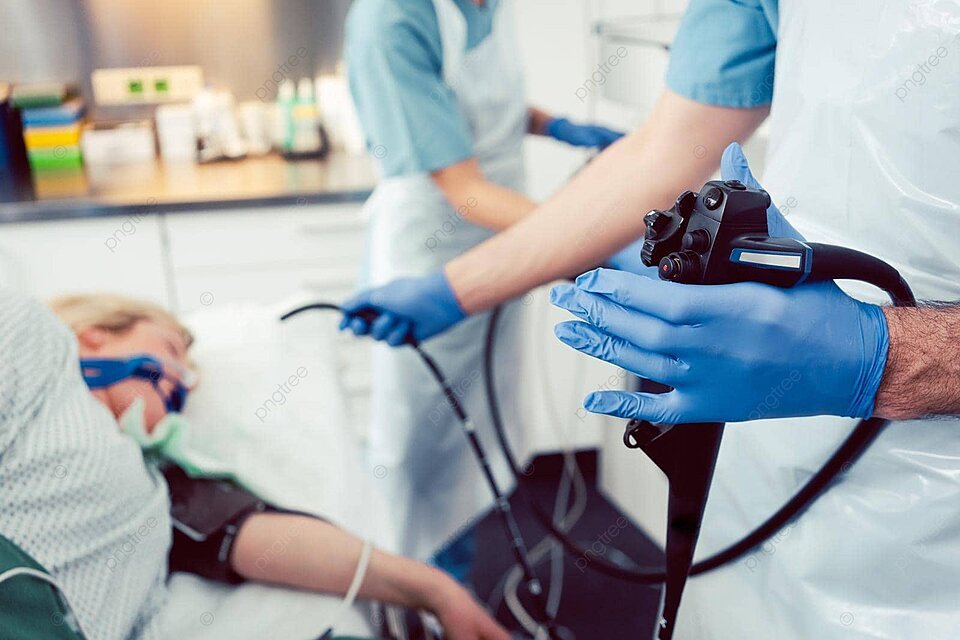
The patient is positioned comfortably, generally on the left side. Depending on the clinical requirement and facility protocol, a local anesthetic spray may be used to numb the throat, and sedation may be administered to improve comfort and relaxation.
The patient's vital signs and oxygen levels are monitored throughout the procedure.
Step 4: Introduction of the Endoscope
A flexible endoscope is carefully introduced through the mouth and gently advanced through the throat into the esophagus. The endoscope contains a small camera and light that provide a clear, magnified view of the digestive tract on a monitor.
The procedure is performed carefully to minimize discomfort and ensure adequate visualization.
Step 5: Examination of the Esophagus
The doctor systematically examines the lining of the esophagus for abnormalities such as:
Inflammation or esophagitis
Reflux-related changes
Ulcers
Narrowing or strictures
Varices
Bleeding
Abnormal growths or lesions
Other mucosal changes
The findings are carefully assessed and documented.
Step 6: Examination of the Stomach
The endoscope is advanced into the stomach, allowing detailed inspection of the stomach lining. The doctor evaluates different areas of the stomach for:
Gastritis
Gastric ulcers
Erosions
Bleeding
Polyps
Abnormal lesions
Signs of infection or inflammation
Suspicious areas requiring further evaluation
Air or carbon dioxide may be introduced gently to expand the stomach and improve visualization of the gastric lining.
Step 7: Examination of the Duodenum
The endoscope is carefully advanced through the pylorus into the first part of the small intestine, known as the duodenum.
The doctor examines the duodenal lining for inflammation, ulcers, bleeding, abnormal lesions, and other gastrointestinal abnormalities.
Step 8: Biopsy & Tissue Sampling
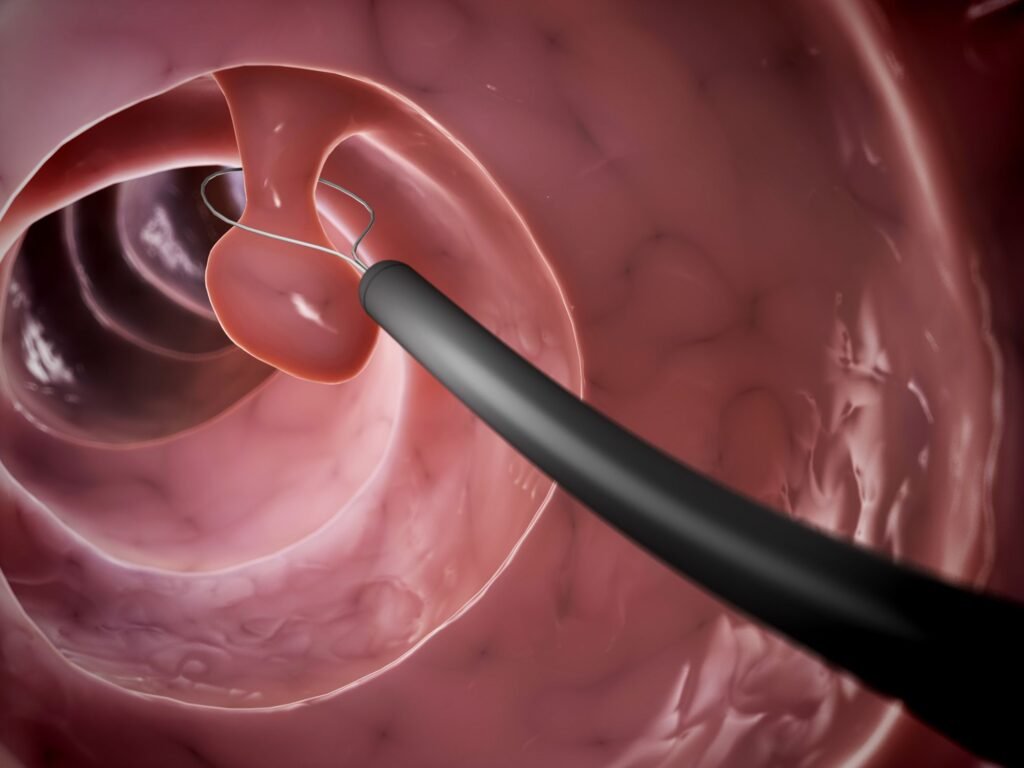
If an abnormal or suspicious area is identified, small tissue samples may be collected using specialized instruments passed through the endoscope.
A biopsy may be performed to evaluate inflammation, infection, cellular changes, or other conditions. Tissue samples are then sent to the laboratory for further examination when clinically indicated.
The biopsy procedure is generally painless because the digestive tract lining does not respond to cutting in the same way as skin.
Step 9: Therapeutic Procedures When Required
Upper GI Endoscopy is not only diagnostic; certain treatments can also be performed during the procedure when clinically appropriate.
Depending on the findings, endoscopic treatment may include management of bleeding, removal of selected polyps or lesions, treatment of certain strictures, foreign body removal, or other specialized endoscopic interventions.
The exact treatment depends on the patient's condition and the findings during endoscopy.
Step 10: Final Inspection & Withdrawal
After completing the examination and any required intervention, the doctor carefully reviews the examined areas once again to ensure that important findings have been assessed.
The endoscope is then slowly and carefully withdrawn while the doctor continues to inspect the mucosal surfaces.
Step 11: Recovery & Observation
After the procedure, the patient is moved to a recovery area and monitored until the effects of sedation, if used, have sufficiently reduced.
The patient may temporarily experience mild throat irritation, bloating, or a feeling of fullness. These symptoms are usually short-lived.
If sedation has been administered, the patient may need to rest and should follow the medical team's instructions regarding driving, work, food, and medications.
Step 12: Results & Follow-Up
The doctor discusses the major findings with the patient after the procedure when appropriate. If biopsies or laboratory tests have been taken, the final results may be reviewed once the reports are available.
Based on the findings, the doctor may recommend medication, lifestyle modifications, additional investigations, repeat endoscopy, specialist follow-up, or other appropriate treatment.
Key Benefits of Upper GI Endoscopy
Direct visualization of the upper digestive tract
Evaluation of the esophagus, stomach, and duodenum
Identification of ulcers, inflammation, bleeding, and abnormal lesions
Biopsy and tissue sampling when required
Ability to perform selected therapeutic procedures
Helps investigate unexplained upper gastrointestinal symptoms
Supports early detection and appropriate management of gastrointestinal conditions
Upper GI Endoscopy is performed by trained medical professionals using appropriate endoscopic equipment and patient monitoring. The exact preparation, sedation, procedure, and follow-up may vary depending on the patient's medical condition and the clinical indication.