Obesity Management with Medications
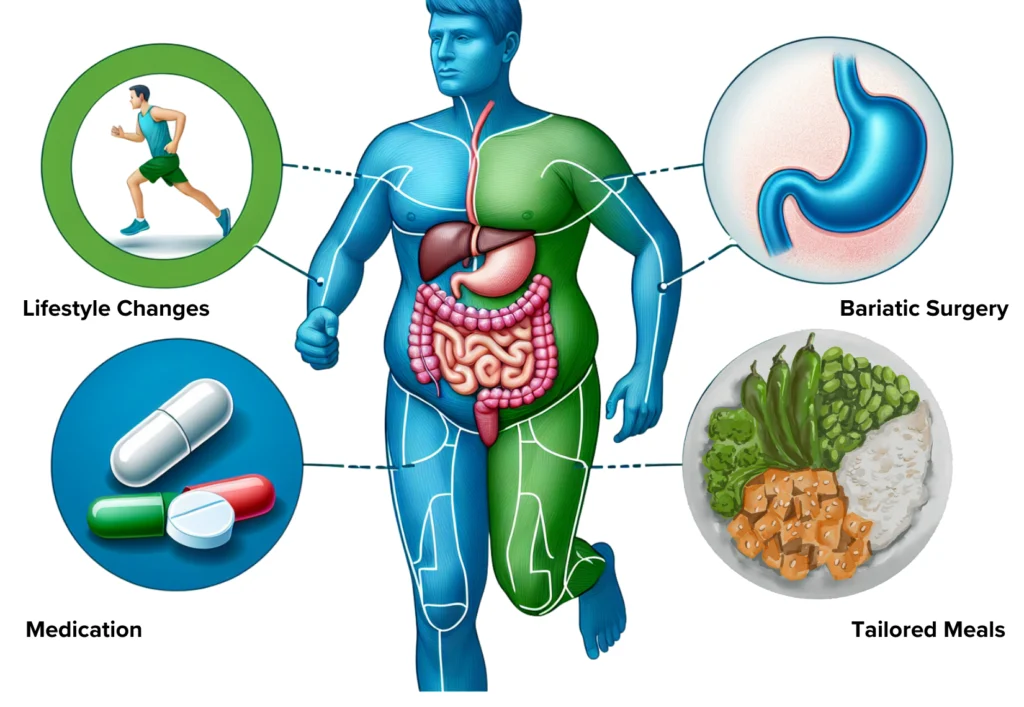
Obesity Management with Medications is a structured medical approach designed to help individuals achieve and maintain healthy weight loss through appropriate assessment, personalized treatment, lifestyle modification, and medically supervised weight-management medications when indicated.
The treatment plan is individualized according to the patient's weight, BMI, medical history, existing health conditions, current medications, eating patterns, physical activity, and weight-management goals. Medication is used as part of a comprehensive treatment plan and is generally combined with appropriate dietary and lifestyle measures.
Step 1: Initial Medical Assessment
The process begins with a detailed consultation and assessment of the patient's overall health and weight-related concerns.
The doctor reviews:
Current weight and height
Body Mass Index (BMI)
Waist circumference when clinically appropriate
Previous weight-loss attempts
Eating and lifestyle habits
Physical activity level
Current medications
Relevant medical and family history
Existing weight-related health conditions
This assessment helps determine the appropriate treatment approach.
Step 2: Identification of Weight-Related Health Factors
The doctor evaluates conditions that may contribute to weight gain or may be affected by obesity, such as type 2 diabetes, high blood pressure, abnormal cholesterol levels, sleep-related breathing problems, fatty liver disease, and other metabolic concerns.
When clinically indicated, appropriate laboratory investigations may be recommended to assess the patient's metabolic and general health status.
Step 3: Setting Individualized Treatment Goals
A realistic and personalized weight-management plan is developed based on the patient's health status and treatment goals.
Rather than focusing only on a specific number on the weighing scale, the treatment plan may also consider improvements in metabolic health, physical activity, eating habits, waist circumference, and obesity-related health risks.
Step 4: Medication Assessment
If medication is medically appropriate, the doctor evaluates which weight-management treatment may be suitable for the individual patient.
The selection of medication depends on factors such as:
BMI and overall health
Existing medical conditions
Current medications
Potential benefits and risks
Previous response to weight-management treatment
Possible side effects
Individual treatment goals
Medication is prescribed only after appropriate medical evaluation.
Step 5: Starting Medically Supervised Treatment
Once an appropriate medication is selected, the doctor provides clear instructions regarding its use, dosage, timing, expected effects, and possible side effects.
Some weight-management medications may require gradual dose adjustment depending on the specific medicine and the patient's response.
Patients are advised not to change the dose or discontinue prescribed medication without discussing it with their healthcare provider.
Step 6: Nutrition & Lifestyle Guidance
Medication is incorporated into a broader weight-management program rather than being used as the only intervention.
The patient may receive guidance regarding:
Balanced nutrition
Portion control
Healthy meal planning
Reduction of excessive calorie intake
Adequate protein and nutrient intake
Regular physical activity
Sleep and daily routine
Sustainable lifestyle changes
The aim is to develop healthy habits that can be maintained over the long term.
Step 7: Monitoring Treatment Response
Regular follow-up is an important part of obesity management.
During follow-up visits, the doctor may monitor:
Changes in body weight
BMI and waist measurements
Appetite and eating patterns
Medication response
Possible side effects
Blood pressure and metabolic health when appropriate
Adherence to dietary and lifestyle recommendations
The treatment plan can be adjusted according to the patient's progress and clinical response.
Step 8: Management of Medication Side Effects
Some weight-management medications can cause side effects. The medical team discusses potential adverse effects with the patient and provides appropriate guidance.
If side effects occur, the doctor may adjust the treatment plan, modify the medication regimen, or consider an alternative approach when clinically appropriate.
Patients are encouraged to report significant or persistent symptoms promptly.
Step 9: Ongoing Weight Management
Obesity is often a long-term health condition, and maintaining weight loss can require continued medical and lifestyle support.
Follow-up care focuses not only on achieving weight loss but also on maintaining progress and reducing the risk of weight regain.
The treatment plan may be modified over time according to changes in the patient's health, weight, lifestyle, and response to treatment.
Step 10: Comprehensive Follow-Up & Long-Term Support
Regular medical follow-up allows the doctor to assess overall progress and ensure that treatment remains appropriate and safe.
Where required, the patient may be referred for additional nutritional, metabolic, or specialist support.
Key Benefits of Medically Supervised Obesity Management
Personalized medical assessment
Evidence-based weight-management approach
Appropriate use of prescription medications when indicated
Monitoring of treatment response and side effects
Dietary and lifestyle guidance
Management of obesity-related health risks
Regular follow-up and treatment adjustment
Long-term support for sustainable weight management
Obesity Management with Medications should always be individualized and medically supervised. The choice of medication, dosage, duration of treatment, and follow-up schedule depends on the patient's health status and clinical needs.