Colonoscopy
Colonoscopy is a minimally invasive endoscopic procedure used to examine the inner lining of the large intestine (colon) and rectum. It is commonly performed to investigate symptoms such as abdominal pain, persistent changes in bowel habits, chronic diarrhea, rectal bleeding, unexplained weight loss, or anemia. Colonoscopy can also be used for colorectal cancer screening and for detecting and removing abnormal growths such as polyps. the best gastroenterologist doctor https://doctoraklohana.com/
Step-by-Step Procedure
1. Initial Patient Assessment
Before the procedure, the specialist reviews the patient’s medical history, current symptoms, medications, allergies, previous procedures, and relevant laboratory or imaging reports. The reason for the colonoscopy and any potential risks are discussed with the patient.
2. Bowel Preparation
Proper bowel preparation is essential for a clear examination. The patient is given specific instructions regarding diet and bowel-cleansing medication before the procedure. A well-prepared bowel allows the specialist to clearly visualize the intestinal lining and identify small abnormalities.
3. Pre-Procedure Preparation
On the day of the procedure, the patient is assessed and prepared for colonoscopy. Vital signs are monitored, and an intravenous line may be placed when sedation or medication is required.
4. Sedation and Comfort
Sedation may be administered according to the patient’s condition and the planned procedure. The aim is to keep the patient comfortable and relaxed while allowing the specialist to perform the examination safely.
5. Positioning
The patient is generally positioned on their side to allow safe and appropriate access to the rectum and colon.
6. Introduction of the Colonoscope
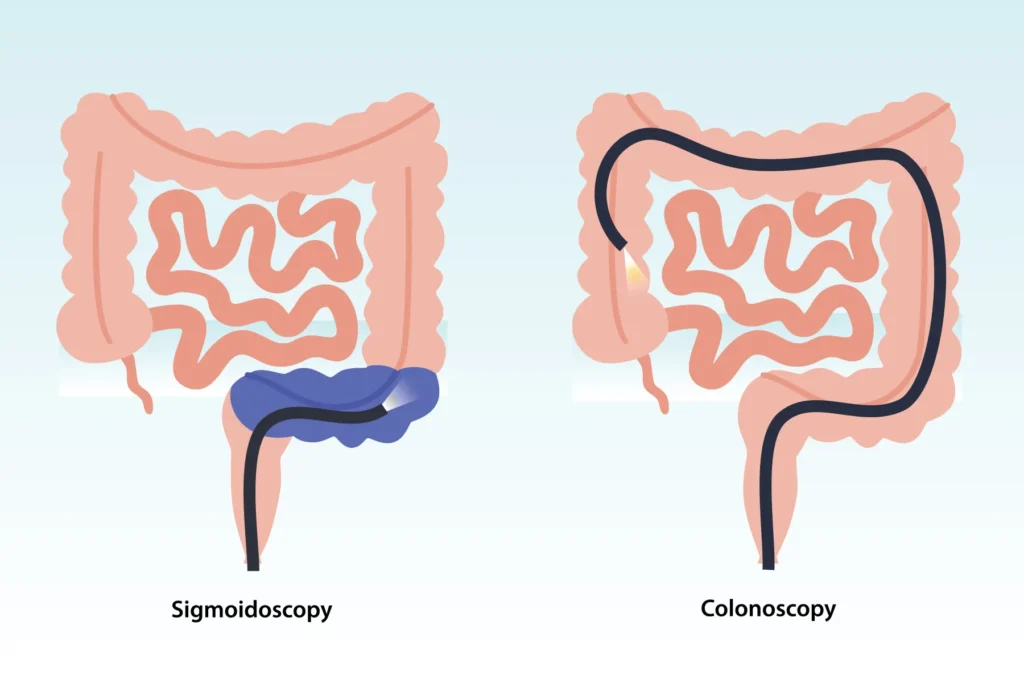
A flexible instrument called a colonoscope, equipped with a camera and light, is gently inserted through the rectum and advanced through the colon. The specialist carefully guides the instrument while continuously viewing the internal lining on a monitor.
7. Detailed Examination of the Colon
The specialist systematically examines the rectum and colon for abnormalities such as inflammation, ulcers, bleeding sources, polyps, abnormal tissue, diverticular changes, or other lesions. The lining is carefully inspected as the colonoscope is withdrawn.
8. Biopsy or Tissue Sampling
If an area appears abnormal, small tissue samples may be taken through the colonoscope for histopathological examination. Biopsy is generally painless because the intestinal lining does not have the same type of pain sensation as skin.
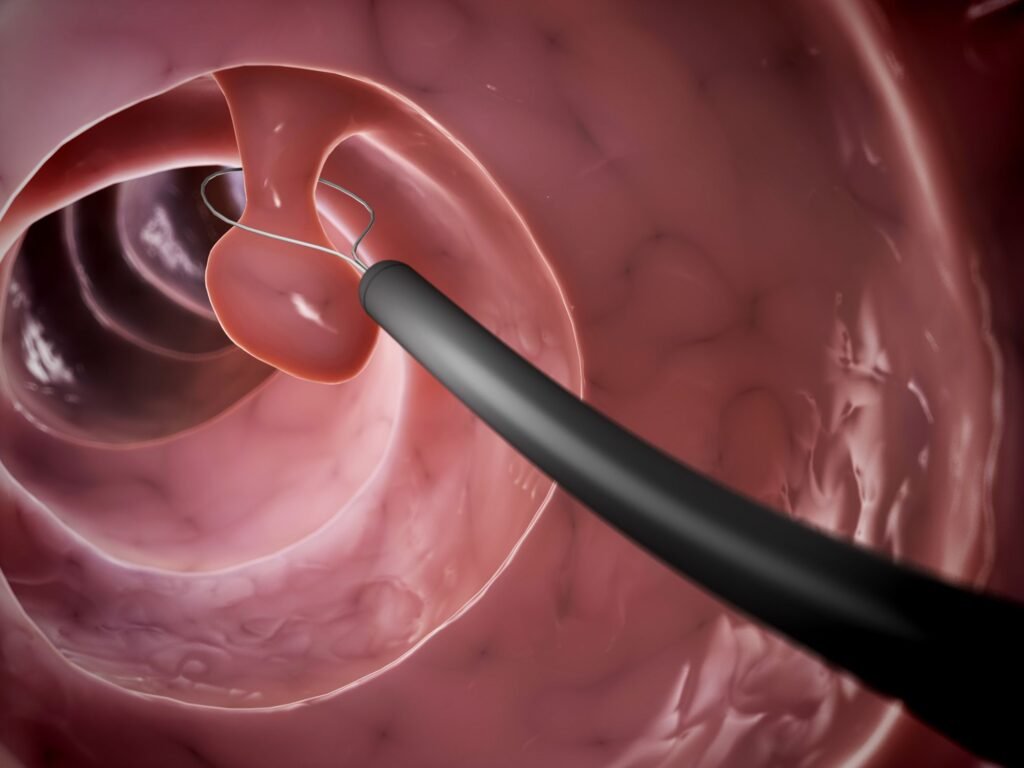
9. Polyp Detection and Removal
If polyps are identified, they may be removed during the same procedure using appropriate endoscopic techniques, such as polypectomy. The removed tissue is collected and may be sent to the laboratory for further examination.
10. Management of Bleeding or Other Findings
If an active bleeding site or another treatable abnormality is identified, appropriate endoscopic treatment may be performed when clinically indicated. Techniques may include injection therapy, clips, thermal methods, or other specialized endoscopic approaches.
11. Final Inspection
Before completing the procedure, the specialist performs a careful final inspection of the examined areas to ensure that important abnormalities have not been missed and to assess any treated areas.
12. Completion of the Procedure
The colonoscope is gently withdrawn, and the procedure is completed. The duration may vary depending on bowel preparation, anatomy, findings, biopsies, and any therapeutic treatment required.
13. Recovery and Monitoring
After the colonoscopy, the patient is monitored until the effects of sedation have sufficiently worn off. Mild bloating, gas, or temporary abdominal discomfort can occur following the procedure.
14. Results and Follow-Up
The specialist discusses the findings with the patient and provides appropriate post-procedure instructions. If biopsies or polyps were removed, laboratory results may require additional time. Further follow-up is planned according to the findings and the patient’s individual clinical needs.
Conditions & Findings That May Be Evaluated
Colorectal polyps
Colorectal cancer screening
Rectal bleeding
Chronic or persistent diarrhea
Changes in bowel habits
Unexplained abdominal pain
Inflammatory bowel disease
Colitis
Diverticular disease
Unexplained anemia or blood loss
Abnormal findings from previous tests
Benefits of Colonoscopy
Colonoscopy provides direct visualization of the colon and allows the specialist to diagnose, biopsy, and treat certain abnormalities during the same procedure. It is an important investigation for evaluating gastrointestinal symptoms and for detecting precancerous polyps and other abnormalities of the large intestine. the best gastroenterologist doctor
Aftercare
Patients should follow the specialist’s post-procedure instructions regarding diet, medications, physical activity, and follow-up. Temporary bloating or mild abdominal discomfort may occur. Significant abdominal pain, persistent vomiting, heavy rectal bleeding, fever, severe dizziness, or other concerning symptoms should be reported promptly to the treating medical team.
Colonoscopy should be performed by a qualified gastroenterologist or trained endoscopy specialist using appropriate equipment, patient monitoring, and established endoscopic safety protocols.