Alcohol-Related Liver Disease
1. Comprehensive Medical Assessment
The first step is a detailed evaluation of the patient's symptoms, medical history, alcohol consumption pattern, medications, nutritional status, and other factors that may affect liver health. A healthcare professional may also assess for conditions such as obesity, diabetes, viral hepatitis, or other liver diseases that can contribute to liver damage.
2. Understanding the Symptoms
Alcohol-related liver disease may not cause noticeable symptoms during its early stages. As liver damage progresses, patients may experience fatigue, weakness, loss of appetite, nausea, abdominal discomfort, or unexplained weight changes.
More advanced liver disease may cause yellowing of the skin or eyes (jaundice), swelling of the abdomen or legs, easy bruising, itching, dark urine, confusion, or changes in mental alertness. The severity of symptoms varies depending on the extent of liver injury.
3. Diagnostic Evaluation
A thorough diagnostic assessment is important to determine the presence and severity of liver damage. Blood tests may include liver function tests, bilirubin, albumin, complete blood count, and other investigations as clinically appropriate.
Imaging studies such as abdominal ultrasound may be recommended to evaluate the liver and surrounding organs. Additional imaging or specialized investigations may be considered when required to assess fibrosis, cirrhosis, complications, or other possible causes of abnormal liver tests.
4. Assessment of Liver Damage
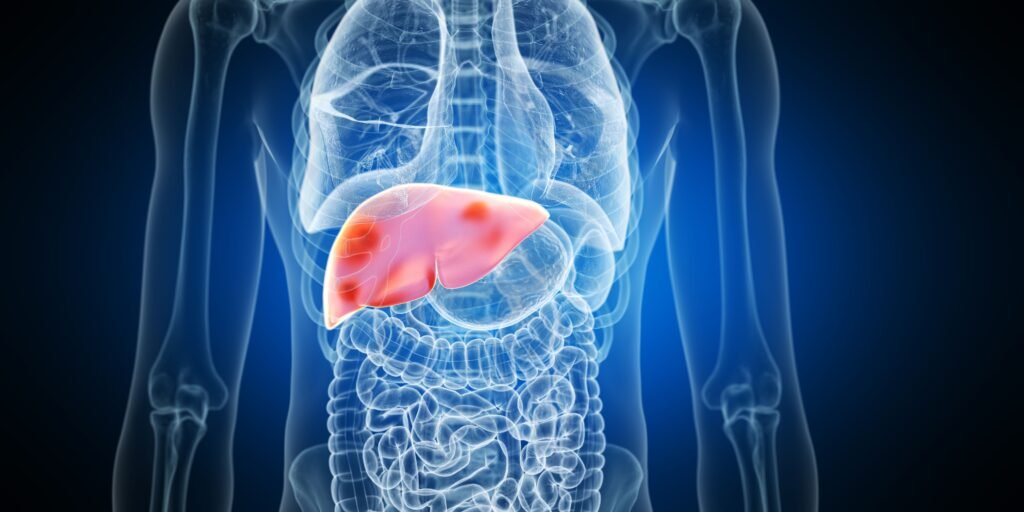
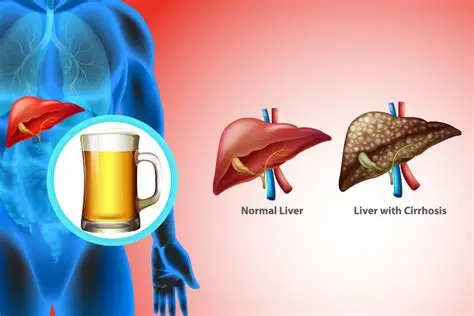
Alcohol-related liver disease can progress through different stages. Early fatty changes may be reversible, while continued liver injury can result in inflammation and scarring. Advanced fibrosis and cirrhosis can permanently alter the structure and function of the liver.
Assessment may include evaluation for complications such as portal hypertension, ascites, gastrointestinal bleeding, nutritional deficiencies, and changes in mental function.
5. Alcohol Cessation and Lifestyle Management
Stopping alcohol consumption is a central part of managing alcohol-related liver disease. Complete abstinence can help reduce ongoing liver injury and may improve liver function, particularly when treatment begins at an earlier stage.
Patients may also benefit from nutritional assessment, a balanced diet, adequate protein and calorie intake when appropriate, regular medical follow-up, and management of associated conditions such as diabetes, obesity, or high cholesterol.
For individuals who are physically dependent on alcohol, stopping suddenly can sometimes cause serious withdrawal symptoms. Medical supervision may therefore be necessary, with appropriate support provided according to the patient's individual circumstances.
6. Medical Treatment
Treatment is individualized according to the stage and severity of liver disease. Medical management may focus on controlling inflammation, correcting nutritional deficiencies, treating associated medical conditions, and preventing or managing complications of advanced liver disease.
If cirrhosis is present, regular monitoring is important to identify complications early. Treatment may include medications and other interventions when clinically indicated.
7. Management of Complications
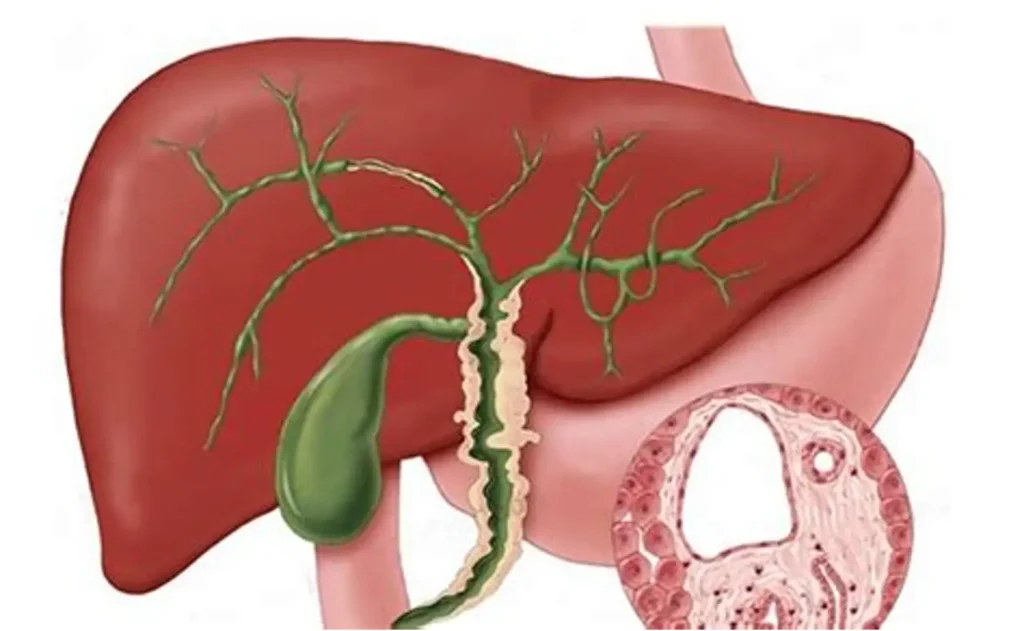
Advanced alcohol-related liver disease may lead to complications such as ascites, portal hypertension, varices, hepatic encephalopathy, jaundice, and impaired liver function.
These complications require careful medical assessment and appropriate treatment. Patients with significant liver damage may require regular laboratory testing, imaging, endoscopic evaluation, or other specialist investigations depending on their condition.
8. Ongoing Monitoring and Follow-Up
Regular follow-up helps monitor liver function and identify progression or improvement over time. Follow-up may include repeat blood tests, imaging, assessment of nutritional status, and monitoring for complications.
Patients with advanced liver disease may require long-term specialist care to manage their condition and reduce the risk of further complications.
9. Advanced Liver Disease and Specialist Care
When liver damage becomes severe and liver function is significantly impaired, specialist hepatology care may be required. In selected patients with advanced or decompensated liver disease, evaluation for liver transplantation may be considered according to established medical criteria.
10. Comprehensive Patient-Centered Care
Management of Alcohol-Related Liver Disease involves more than treating abnormal liver tests. Effective care focuses on stopping further liver injury, improving nutrition and overall health, managing complications, addressing associated medical conditions, and providing continued monitoring.
Early medical evaluation is particularly important because liver disease can progress silently before significant symptoms appear. Timely diagnosis and appropriate treatment can help protect remaining liver function and support better long-term outcomes.
Conclusion
Alcohol-Related Liver Disease requires careful evaluation, early recognition, and ongoing medical management. From initial assessment and liver-function testing to lifestyle modification, complication management, and specialist follow-up, treatment is tailored to the patient's stage of disease and individual needs. With appropriate medical care and sustained avoidance of alcohol, further liver damage may be reduced and overall liver health can be better supported.