Hepatocellular Carcinoma (Liver Cancer)
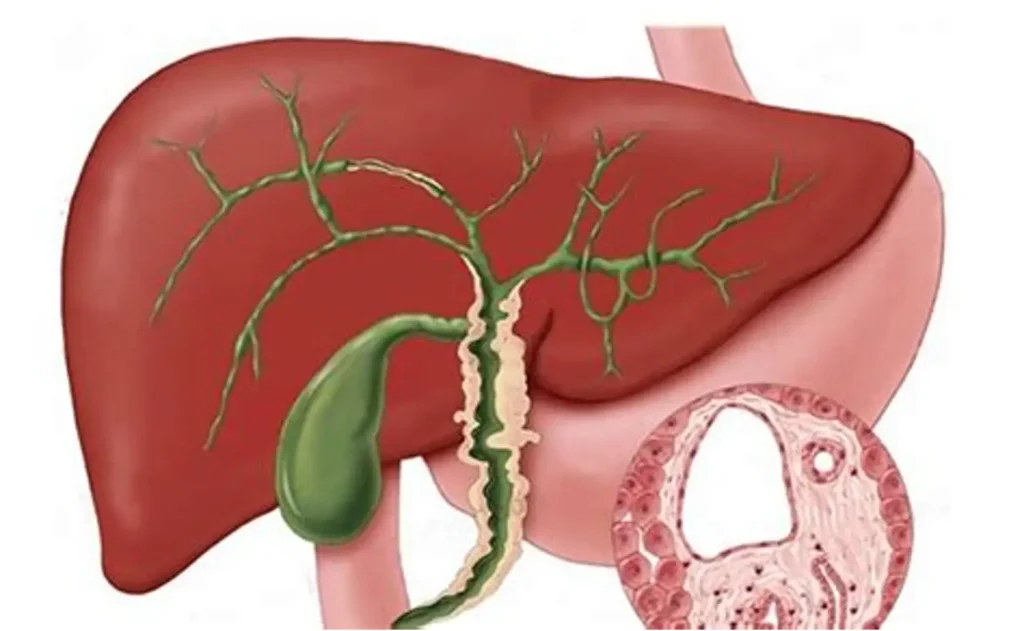
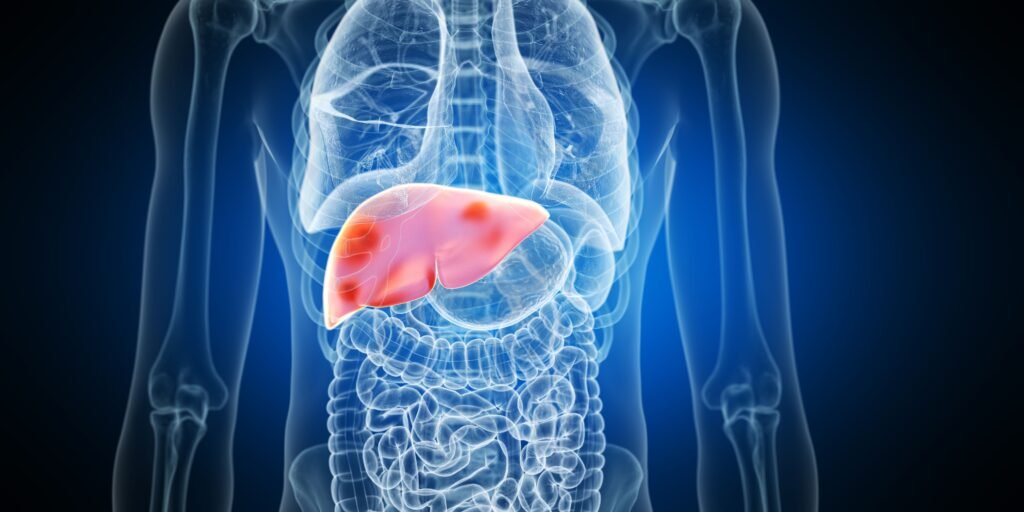
Hepatocellular Carcinoma (HCC) is the most common primary cancer that develops in the liver. It begins in hepatocytes, the main cells of the liver, and is frequently associated with chronic liver disease and long-standing liver damage.
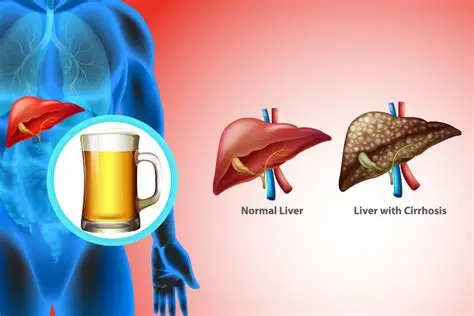
HCC may develop in patients with liver cirrhosis caused by conditions such as chronic viral hepatitis, metabolic dysfunction-associated steatotic liver disease (MASLD), alcohol-related liver disease, and other chronic liver conditions. Early detection is important because treatment options and outcomes depend greatly on the stage of the disease and the patient's overall liver function.
1. Comprehensive Patient Assessment
The evaluation begins with a detailed consultation and medical history. The gastroenterologist or hepatologist reviews the patient's liver health, previous diagnoses, medications, family history, risk factors, and symptoms.
Particular attention may be given to:
Previous hepatitis B or hepatitis C infection
Liver cirrhosis
Fatty liver disease
Alcohol-related liver disease
Previous liver tumors
Unexplained weight loss
Reduced appetite
Persistent abdominal discomfort
Increasing abdominal swelling
Jaundice
General weakness or fatigue
Some patients with early HCC may have few or no noticeable symptoms, which is why appropriate surveillance is particularly important in individuals at increased risk.
2. Understanding Hepatocellular Carcinoma
Hepatocellular carcinoma develops from liver cells called hepatocytes. The disease can occur in a liver affected by chronic inflammation, fibrosis, or cirrhosis, although HCC can also develop in selected patients without established cirrhosis.
The behavior of HCC varies from patient to patient. Some tumors remain localized within the liver, while others may invade blood vessels or spread beyond the liver.
For this reason, accurate staging and assessment of liver function are essential before selecting treatment.
3. Liver Cancer Screening and Surveillance
Patients at increased risk of HCC may require regular surveillance.
For appropriate high-risk patients, surveillance commonly involves liver ultrasound, with or without measurement of alpha-fetoprotein (AFP), at regular intervals according to current clinical recommendations.
The exact surveillance strategy depends on the patient's underlying liver disease and individual risk.
Regular surveillance can help identify suspicious liver lesions at an earlier stage, when potentially curative treatments may be available.
4. Diagnostic Evaluation
When a suspicious liver lesion is identified, further evaluation may be required.
The gastroenterologist or hepatologist may recommend:
Liver function tests
AFP blood testing
Multiphasic contrast-enhanced CT
Contrast-enhanced MRI
Additional investigations when clinically indicated
Imaging plays a central role in evaluating suspected HCC because characteristic patterns on appropriate multiphasic imaging can sometimes establish the diagnosis without a biopsy in patients with the appropriate clinical background.
5. Liver Function Assessment
Evaluating the health of the remaining liver tissue is an essential part of HCC management.
The medical team may assess:
Bilirubin
Albumin
Liver enzymes
Blood clotting parameters
Platelet count
Presence of ascites
Presence of hepatic encephalopathy
Overall severity of underlying liver disease
A patient's liver function can significantly influence which treatments are appropriate.
6. Tumor Staging
Once HCC is diagnosed, the tumor must be staged.
Staging considers factors such as:
Number of tumors
Tumor size
Location of the lesions
Involvement of major blood vessels
Spread outside the liver
Overall liver function
General health and performance status
Staging helps the multidisciplinary team determine whether the disease is potentially curable, treatable with liver-directed therapy, or requires systemic treatment.
7. Role of Liver Biopsy
A biopsy is not always required for diagnosing HCC when characteristic imaging findings are present in the appropriate clinical setting.
However, biopsy may be considered when imaging findings are not typical or when confirmation of the diagnosis is necessary.
During a biopsy, a small sample of liver tissue or the suspicious lesion is obtained and examined by a pathologist.
The decision to perform a biopsy depends on the individual patient's clinical and imaging findings.
8. Multidisciplinary Treatment Planning
Management of HCC often involves a multidisciplinary team.
Depending on the patient's condition, the team may include:
Gastroenterologist or hepatologist
Hepatobiliary surgeon
Interventional radiologist
Medical oncologist
Radiation specialist when appropriate
Pathologist
Specialist nursing and supportive-care teams
This collaborative approach allows treatment to be selected according to tumor stage, liver function, overall health, and treatment goals.
9. Surgical Resection
For selected patients with localized HCC and adequate remaining liver function, surgical resection may be considered.
The objective is to remove the tumor while preserving sufficient healthy liver tissue.
Whether surgery is appropriate depends on tumor location, number and size of tumors, vascular involvement, underlying liver disease, and the patient's overall condition.
10. Liver Transplantation
For carefully selected patients with HCC and significant underlying liver disease, liver transplantation may be considered.
Transplantation can treat both the tumor and the underlying diseased liver.
Eligibility depends on established transplant criteria, tumor characteristics, liver function, overall health, and assessment by a specialist transplant team.
11. Liver-Directed Treatments
When surgical resection or transplantation is not appropriate, certain liver-directed treatments may be considered for selected patients.
These may include:
Transarterial Chemoembolization (TACE)
Transarterial Radioembolization (TARE)
Ablation therapies, such as radiofrequency or microwave ablation
The choice depends on tumor size, number, location, liver function, vascular involvement, and other clinical factors.
12. Ablation Therapy
For selected small liver tumors, local ablation may be an appropriate treatment option.
During ablation, specialized equipment is used to destroy tumor tissue, commonly through heat.
Techniques such as radiofrequency ablation or microwave ablation may be considered depending on tumor location and other clinical factors.
Imaging guidance is used to accurately target the lesion while minimizing injury to surrounding tissue.
13. Transarterial Chemoembolization
TACE is a liver-directed procedure used in selected patients with HCC.
During the procedure, an interventional radiologist guides a catheter into the blood vessels supplying the tumor. Medication and embolic material are delivered to reduce the tumor's blood supply and provide localized treatment.
TACE is not suitable for every patient, particularly those with certain patterns of advanced disease or severely impaired liver function.
14. Transarterial Radioembolization
TARE, also known as radioembolization, delivers tiny radioactive particles through the arterial blood supply of the tumor.
The particles are designed to deliver radiation locally to the tumor while limiting exposure to surrounding liver tissue.
Patient selection and treatment planning require specialized imaging and multidisciplinary assessment.
15. Systemic Therapy
For advanced HCC that cannot be effectively treated with surgery or liver-directed therapy, systemic treatment may be considered.
Depending on the patient's condition and current treatment guidelines, systemic options may include:
Immunotherapy-based treatments
Targeted therapies
Other approved systemic medicines
The selection of treatment depends on liver function, disease extent, previous treatments, overall health, and other individual factors.
16. Monitoring Treatment Response
After treatment begins, regular follow-up is important.
The medical team may use:
Contrast-enhanced CT
MRI
Liver function tests
AFP when clinically useful
Clinical assessment
Follow-up imaging helps determine whether the tumor has responded, remained stable, or progressed and whether additional treatment is required.
17. Management of Underlying Liver Disease
Treating HCC also requires appropriate management of the underlying liver condition.
For example, patients may require treatment or monitoring for:
Hepatitis B
Hepatitis C
Cirrhosis
Fatty liver disease
Alcohol-related liver disease
Portal hypertension
Ascites
Hepatic encephalopathy
Managing the underlying liver disease can be an important component of comprehensive care.
18. Nutritional and Supportive Care
Patients with liver cancer may experience reduced appetite, weight loss, fatigue, or nutritional difficulties.
Appropriate nutritional assessment and supportive care may help patients maintain strength and tolerate treatment.
Management may include individualized dietary guidance, symptom control, and treatment of complications related to advanced liver disease.
19. Follow-Up and Long-Term Monitoring
Even after successful treatment, patients require ongoing surveillance because HCC can recur or new liver tumors can develop, particularly in patients with chronic liver disease.
Follow-up schedules are individualized according to the type of treatment, tumor characteristics, underlying liver disease, and overall risk.
Regular medical review allows recurrence or progression to be identified as early as possible.
20. Warning Symptoms Requiring Medical Evaluation
Patients should seek medical assessment if they develop:
Unexplained weight loss
Persistent loss of appetite
Increasing abdominal swelling
Persistent right-upper abdominal discomfort
Jaundice
Unexplained weakness or fatigue
Vomiting
Gastrointestinal bleeding
Sudden worsening of existing liver disease
These symptoms can have many causes, but they should be evaluated appropriately, particularly in patients with known chronic liver disease.
Comprehensive Hepatology and Gastroenterology Care
Our gastroenterology and hepatology service provides a structured approach to the evaluation and management of liver tumors, including Hepatocellular Carcinoma.
Care may include risk assessment, liver cancer surveillance, diagnostic imaging, liver function assessment, staging, multidisciplinary treatment planning, coordination of liver-directed or systemic treatment, and long-term follow-up.
Each patient's management plan is individualized according to the tumor characteristics, liver function, underlying disease, overall health, and available treatment options.
Conclusion
Hepatocellular Carcinoma (Liver Cancer) is a serious liver condition that requires accurate diagnosis, careful staging, and individualized treatment planning. Early detection through appropriate surveillance in high-risk patients can allow potentially curative treatment options to be considered when suitable.
Comprehensive management combines assessment of the tumor with careful evaluation of the underlying liver disease. Depending on the individual case, treatment may involve surgical resection, liver transplantation, ablation, transarterial therapies, systemic treatment, or a combination of approaches.
Regular follow-up remains an important part of care to monitor treatment response, liver function, and the possibility of recurrence.