Primary Sclerosing Cholangitis (PSC)
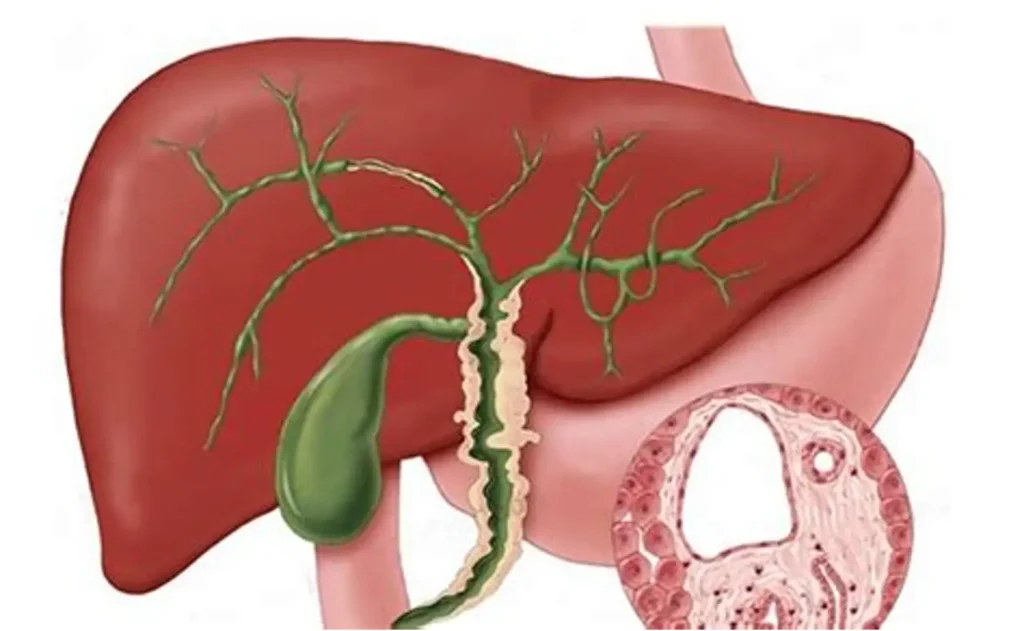
Primary Sclerosing Cholangitis (PSC) is a chronic liver and bile duct condition in which inflammation and scarring develop within the bile ducts. This scarring can cause narrowing or blockage of the bile ducts, leading to impaired bile flow and gradual liver damage. PSC can progress slowly over time and requires regular medical monitoring to identify complications and protect liver function.
1. Comprehensive Medical Assessment
The first step in managing PSC is a detailed medical evaluation. The assessment includes a review of symptoms, medical history, previous liver investigations, medications, and any associated gastrointestinal or liver conditions.
The healthcare team may also evaluate for associated inflammatory bowel disease, particularly ulcerative colitis, because PSC can occur together with inflammatory bowel conditions.
2. Understanding the Symptoms
Some patients with PSC may have no symptoms during the early stages of the disease. When symptoms develop, they may include persistent fatigue, itching, abdominal discomfort, jaundice, dark urine, pale stools, fever, or episodes of chills.
Symptoms can vary depending on the extent of bile duct involvement and whether complications such as bile duct infection or advanced liver disease are present.
3. Liver Function Testing
Blood tests are an important part of the initial and ongoing evaluation. Liver function tests may show abnormalities in enzymes associated with bile duct injury or impaired bile flow.
Additional blood investigations may be performed to evaluate bilirubin levels, liver synthetic function, blood counts, and other factors relevant to the patient's overall condition.
4. Detailed Bile Duct Evaluation
Imaging plays an important role in diagnosing PSC and evaluating the bile ducts. Magnetic Resonance Cholangiopancreatography (MRCP) is commonly used to obtain detailed images of the bile ducts without requiring an invasive procedure.
Depending on the patient's symptoms and clinical findings, additional imaging or endoscopic evaluation may be recommended to assess significant narrowing, obstruction, stones, or other bile duct abnormalities.
5. Identifying Bile Duct Narrowing
PSC may cause areas of narrowing, known as strictures, within the bile ducts. These strictures can interfere with normal bile drainage and may contribute to jaundice, itching, abdominal discomfort, or recurrent infections.
When a significant narrowing is suspected, specialist evaluation is important to determine whether further investigation or endoscopic treatment is required.
6. Management of Symptoms
Treatment is individualized according to the patient's symptoms, disease severity, and complications. Symptoms such as itching may require specific medical management, while nutritional support may be considered when bile flow problems affect digestion or nutrient absorption.
Patients should be monitored regularly rather than relying only on symptoms, because PSC may progress even when a patient feels well.
7. Management of Bile Duct Complications
In some patients, bile duct strictures can become clinically significant and require endoscopic management. Endoscopic Retrograde Cholangiopancreatography (ERCP) may be considered in selected cases to evaluate or treat important bile duct abnormalities.
When appropriate, endoscopic treatment may help improve bile drainage and address certain complications. The decision to perform ERCP is based on the patient's symptoms, imaging findings, and overall clinical condition.
8. Monitoring for Liver Disease
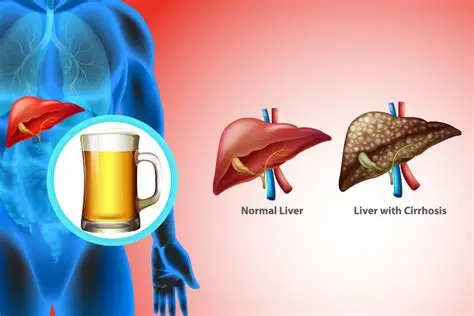
Because PSC can gradually cause fibrosis and cirrhosis, regular assessment of liver health is important. Follow-up may include liver function tests, imaging studies, assessment of fibrosis, and evaluation for complications of advanced liver disease.
Patients with established cirrhosis may require additional surveillance and specialist management according to their individual risk profile.
9. Monitoring for Associated Conditions
PSC may occur alongside inflammatory bowel disease. Patients with PSC may therefore require appropriate gastrointestinal assessment and ongoing monitoring for associated bowel conditions.
The frequency and type of follow-up investigations depend on the patient's medical history, symptoms, age, disease severity, and other risk factors.
10. Prevention and Management of Infections
Bile duct infections can occur when bile flow becomes significantly impaired. Symptoms such as fever, chills, jaundice, or worsening abdominal pain require prompt medical assessment.
If a bacterial infection of the bile ducts is suspected, appropriate medical treatment may be required, and the underlying obstruction or narrowing may also need evaluation.
11. Long-Term Specialist Follow-Up
PSC is a chronic condition that generally requires long-term monitoring. Regular follow-up allows the healthcare team to assess liver function, monitor bile duct changes, identify complications early, and adjust management when necessary.
Patients should maintain scheduled follow-up even when they are not experiencing significant symptoms.
12. Advanced Disease and Liver Transplant Evaluation
In advanced cases, PSC may lead to significant liver dysfunction or complications of cirrhosis. When liver disease becomes severe, referral to a specialist liver team may be appropriate.
For selected patients with advanced or decompensated liver disease, liver transplantation may be considered according to established medical criteria.
13. Patient Education and Lifestyle Support
Patient education is an important part of long-term PSC management. Patients should understand their condition, recognize symptoms that may indicate complications, follow their prescribed treatment plan, and attend regular medical appointments.
Maintaining a balanced diet, avoiding unnecessary medications or supplements that may affect the liver, and managing other health conditions can also support overall liver health.
14. Comprehensive PSC Care
Management of Primary Sclerosing Cholangitis requires a multidisciplinary and individualized approach. Care may involve gastroenterology, hepatology, endoscopy, radiology, nutrition, and other specialist services depending on the patient's needs.
The overall goal is to monitor disease progression, maintain healthy bile flow where possible, manage symptoms and complications, and preserve liver function for as long as possible.
Conclusion
Primary Sclerosing Cholangitis is a chronic condition affecting the bile ducts and liver that requires careful diagnosis and long-term follow-up. Through regular liver-function monitoring, bile duct imaging, assessment of associated conditions, appropriate management of strictures and infections, and specialist care, complications can be identified and treated as early as possible.
Individualized medical care and consistent follow-up are essential for supporting liver health and managing the long-term effects of PSC.