Esophageal Variceal Band Ligation (EVL)
Esophageal Variceal Band Ligation (EVL) is a minimally invasive endoscopic procedure used to treat enlarged veins, known as esophageal varices, in the esophagus. These varices most commonly develop as a result of increased pressure in the portal venous system, particularly in patients with advanced liver disease and portal hypertension. Because enlarged varices can bleed significantly, timely evaluation and appropriate treatment are important.
1. Initial Clinical Assessment
A detailed assessment is performed before the procedure to understand the patient's condition and bleeding risk.
Review of medical history and previous liver-related conditions
Assessment of previous episodes of vomiting blood or black stools
Review of symptoms such as weakness, dizziness, abdominal swelling, or fatigue
Assessment of known liver disease, portal hypertension, or previous variceal treatment
Review of current medications, including blood-thinning medicines where relevant
Evaluation of previous endoscopy reports and laboratory results
2. Pre-Procedure Evaluation
Before band ligation, the patient is assessed to ensure the procedure can be performed safely.
Clinical examination and vital-sign assessment
Review of blood counts, platelet levels, and coagulation profile when indicated
Assessment of liver function and overall clinical condition
Evaluation of the severity and location of esophageal varices
Review of any active bleeding or recent bleeding episode
Appropriate preparation and fasting instructions before endoscopy
3. Upper Gastrointestinal Endoscopy
Esophageal variceal band ligation is performed using an upper gastrointestinal endoscope.
The patient is positioned appropriately for the procedure.
Sedation or other appropriate comfort measures may be provided according to clinical requirements.
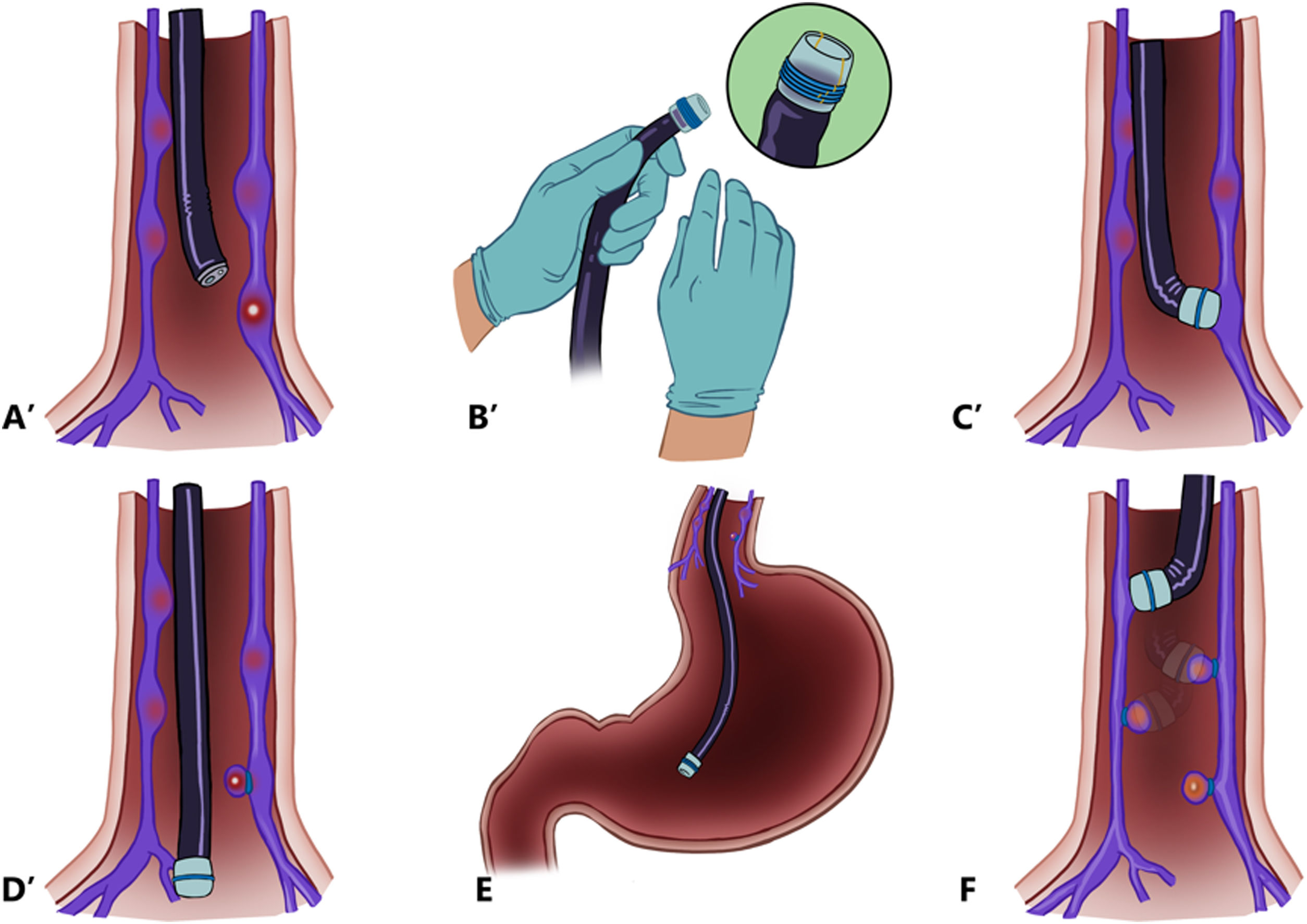
A flexible endoscope is carefully introduced through the mouth into the esophagus.
The esophagus and upper gastrointestinal tract are examined.
The size, location, and appearance of the varices are assessed.
Other possible sources of upper gastrointestinal bleeding may also be evaluated.
4. Identification of Suitable Varices
The endoscopist carefully identifies the varices that require treatment.
Prominent varices are assessed for their size and bleeding risk.
The most appropriate areas for band placement are identified.
The procedure is planned according to the number, size, and distribution of the varices.
The treatment approach may vary depending on whether the procedure is being performed for active bleeding, prevention of rebleeding, or planned variceal eradication.
5. Band Ligation Procedure
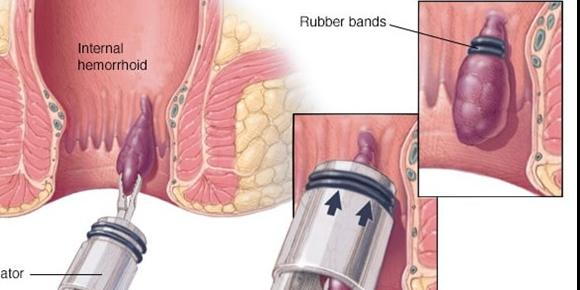
Once the appropriate varices are identified, a specialized band-ligation device attached to the endoscope is used.
The targeted varix is carefully positioned within the banding device.
The variceal tissue is gently drawn into the device.
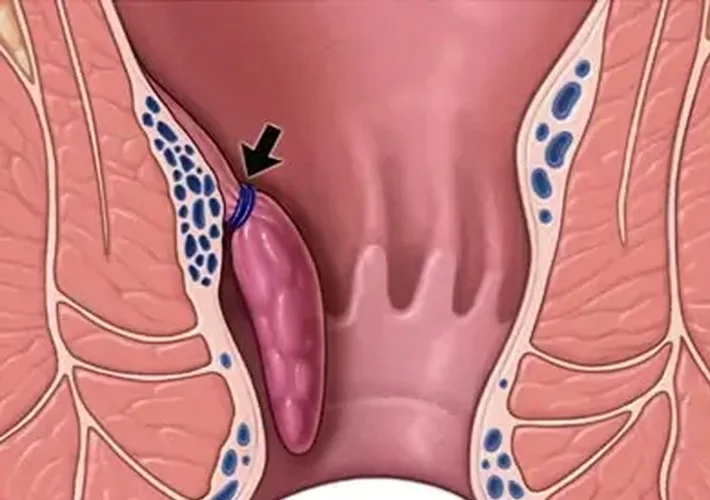
A small elastic band is released around the base of the selected varix.
The band compresses the varix and reduces blood flow through the treated tissue.
Additional bands may be placed on other suitable varices during the same session when clinically appropriate.
The endoscopist carefully reviews the treated areas before completing the procedure.
6. Completion of the Procedure
After band placement:
The treated areas are inspected for immediate complications.
Any significant bleeding identified during the procedure is managed according to the clinical situation.
The endoscope is withdrawn carefully.
The patient is transferred for post-procedure monitoring.
7. Post-Procedure Monitoring
After EVL, the patient is monitored for recovery and potential complications.
Vital signs and overall condition are observed.
Mild chest discomfort, throat irritation, or difficulty swallowing may occur temporarily.
Medication and dietary instructions are provided according to the patient's condition.
The patient is advised regarding symptoms that require urgent medical attention.
8. Follow-Up & Repeat Banding
Esophageal variceal band ligation may require more than one treatment session, particularly when the goal is to gradually eradicate significant varices.
Follow-up may include:
Repeat endoscopic assessment
Additional band ligation sessions when clinically indicated
Monitoring for recurrent or persistent varices
Ongoing management of the underlying liver disease and portal hypertension
Coordination with appropriate gastroenterology or hepatology care
9. Prevention of Recurrent Bleeding
Successful band ligation is only one part of managing esophageal varices. Long-term care focuses on reducing the risk of recurrent bleeding by addressing the underlying cause and portal hypertension.
Depending on the patient's condition, management may include appropriate medications, liver disease management, lifestyle and dietary guidance, and regular medical follow-up.
Important Warning Signs
Patients should seek urgent medical attention if they develop vomiting of blood, black or bloody stools, severe dizziness or fainting, significant weakness, severe chest or abdominal pain, fever, or other rapidly worsening symptoms.
Esophageal Variceal Band Ligation provides an established endoscopic approach for treating suitable esophageal varices. Our care focuses on careful pre-procedure assessment, precise endoscopic treatment, post-procedure monitoring, and structured follow-up to help reduce the risk of variceal bleeding and recurrence.