Hemorrhoidal Band Ligation – Evaluation & Treatment
Hemorrhoidal Band Ligation is a minimally invasive treatment commonly used for suitable internal hemorrhoids, particularly when symptoms such as rectal bleeding, prolapse, discomfort, or irritation persist despite conservative treatment. The procedure works by placing a small elastic band around the base of the hemorrhoidal tissue, reducing its blood supply so that the treated tissue gradually shrinks and separates.
1. Initial Clinical Assessment
Detailed review of symptoms and medical history
Assessment of rectal bleeding, discomfort, itching, irritation, or tissue prolapse
Evaluation of bowel habits, constipation, and straining
Review of previous hemorrhoid treatments and relevant medications
Assessment to determine whether band ligation is appropriate
2. Anorectal Examination
A clinical examination is performed to assess the type, location, and severity of hemorrhoids. Depending on the symptoms and clinical findings, examination may include digital rectal examination and/or anoscopy.
3. Treatment Planning
The healthcare provider discusses the findings and explains the band ligation procedure, expected benefits, possible risks, aftercare, and alternative treatment options. Treatment is selected according to the patient's individual condition and the type of hemorrhoids present.
4. Hemorrhoidal Band Ligation Procedure
The patient is positioned appropriately for the procedure.
The anal and rectal area is examined using suitable clinical equipment.
The targeted internal hemorrhoidal tissue is identified.
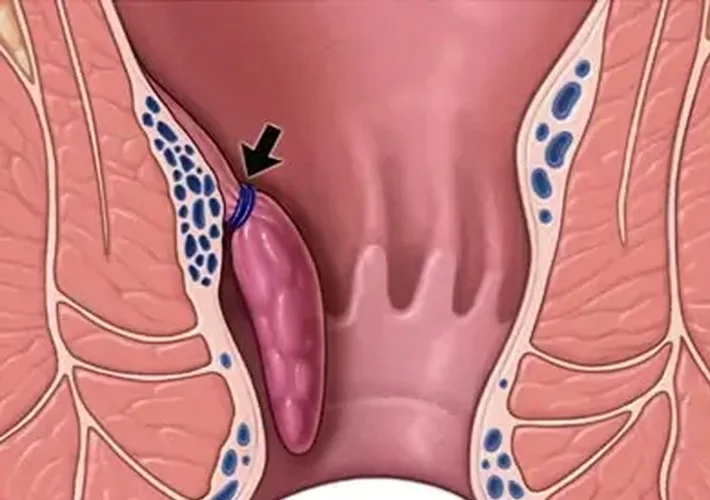
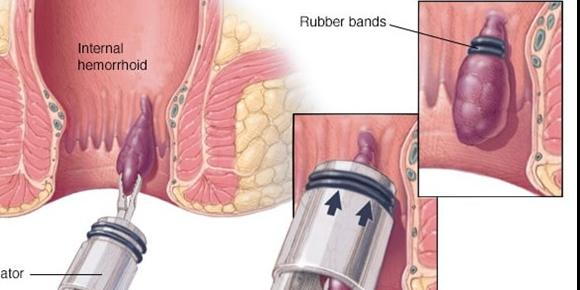
A specialized banding device is used to place a small elastic band around the base of the hemorrhoid.
The band restricts blood flow to the treated tissue.
The hemorrhoidal tissue gradually shrinks and typically separates naturally over time.
5. Post-Procedure Care
Patients are provided with appropriate aftercare instructions, which may include:
Maintaining adequate fluid intake
Preventing constipation and excessive straining
Following a suitable high-fiber diet when appropriate
Using prescribed medications or supportive treatments as advised
Maintaining appropriate anal hygiene
Following activity and bowel-care instructions provided by the clinician
6. Recovery & Follow-Up
Mild discomfort, pressure, or a small amount of bleeding may occur after the procedure. Patients are advised regarding expected recovery and warning symptoms. Follow-up may be recommended to assess symptom improvement and determine whether additional treatment is required.
7. When Further Evaluation Is Needed
Persistent or significant rectal bleeding, severe pain, fever, dizziness, or other concerning symptoms should be medically assessed promptly. Rectal bleeding should not automatically be assumed to be caused by hemorrhoids, and appropriate evaluation may be required to exclude other causes.
Our approach focuses on careful assessment, appropriate patient selection, minimally invasive treatment, clear post-procedure guidance, and follow-up care to support effective management of symptomatic internal hemorrhoids.