ERCP (Endoscopic Retrograde Cholangiopancreatography)
Endoscopic Retrograde Cholangiopancreatography (ERCP) is an advanced endoscopic procedure used to diagnose and treat conditions affecting the bile ducts, gallbladder drainage system, and pancreatic ducts. It combines endoscopy with X-ray imaging to identify blockages, narrowing, stones, leaks, and other abnormalities and, when appropriate, allows treatment during the same procedure.
1. Patient Evaluation
Before ERCP, a detailed medical assessment is performed to understand the patient's symptoms, medical history, previous procedures, and suspected condition. Symptoms such as jaundice, abdominal pain, abnormal liver tests, or suspected bile duct obstruction may require further evaluation.
2. Pre-Procedure Assessment
The patient's medications, allergies, and overall health are reviewed before the procedure. Blood tests and previous imaging such as ultrasound, CT scan, or MRI/MRCP may be considered to help determine the need and approach for ERCP.
3. Endoscopic Examination
After appropriate preparation and sedation or anesthesia, a specialized endoscope is carefully passed through the mouth into the upper digestive tract. The specialist then reaches the opening where the bile and pancreatic ducts drain into the small intestine.
4. Duct Identification & Contrast Injection
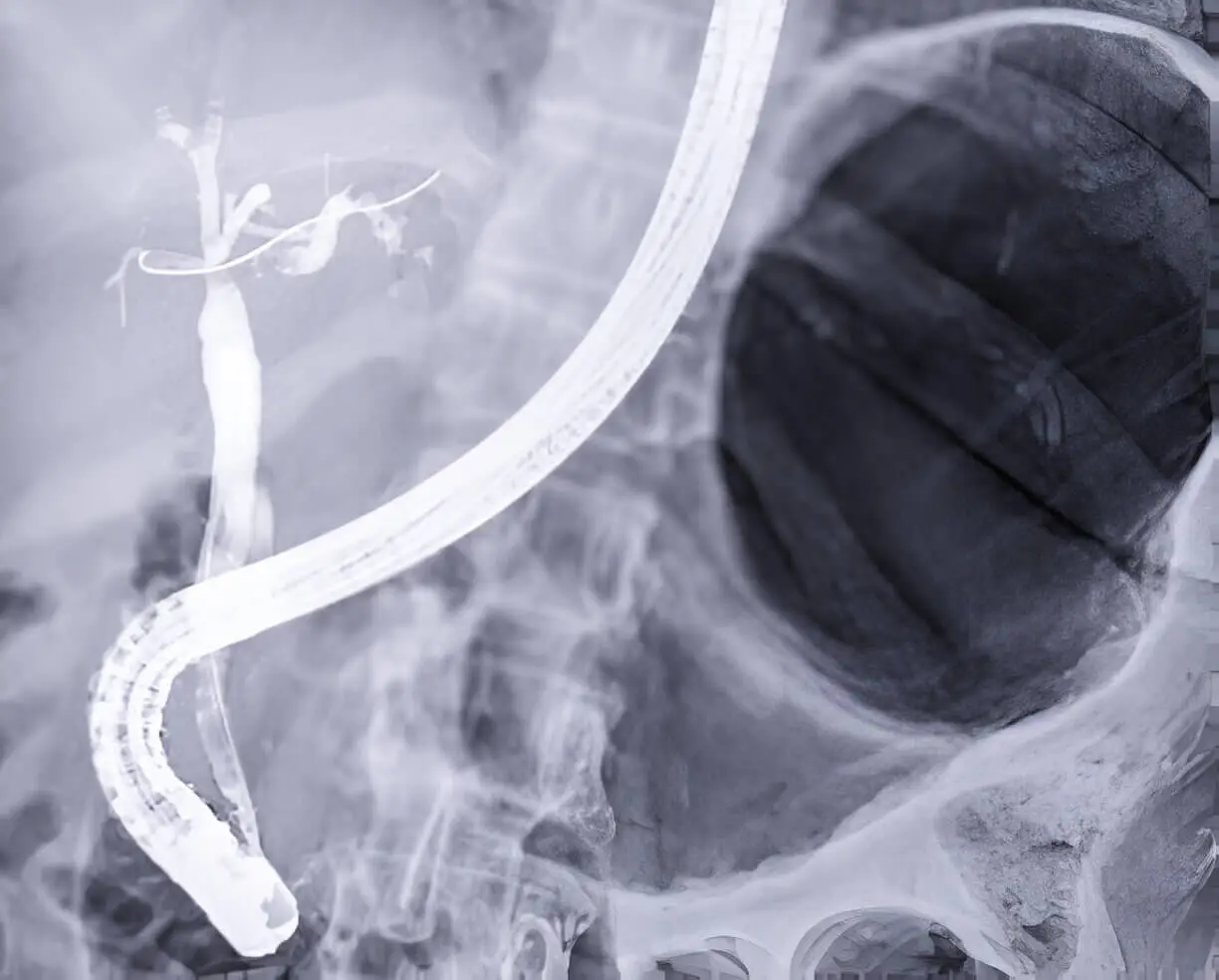
A specialized catheter is introduced through the endoscope into the required duct. Contrast material may be injected into the bile or pancreatic duct so that the duct system can be visualized clearly using X-ray imaging.
5. Identification of the Problem
ERCP can help identify abnormalities such as bile duct stones, strictures or narrowing, blockages, leaks, and selected pancreatic duct disorders. The findings help guide the appropriate treatment during the procedure.
6. Stone Removal
When bile duct stones are identified, specialized endoscopic techniques may be used to remove them. In selected cases, the opening of the bile duct may be enlarged to facilitate safe stone extraction.
7. Stent Placement
If a bile or pancreatic duct is narrowed or blocked, a temporary or permanent stent may be placed to improve drainage. Stent selection and duration depend on the underlying condition and the patient's clinical needs.
8. Treatment of Bile Duct Obstruction
ERCP can provide therapeutic relief of certain bile duct obstructions and may help restore the normal flow of bile. This can be particularly important in selected patients with obstructive jaundice or related complications.
9. Tissue Sampling & Further Intervention
When clinically indicated, tissue or fluid samples may be obtained during ERCP for further laboratory or pathological evaluation. Additional endoscopic interventions may also be performed depending on the findings.
10. Post-Procedure Monitoring
After ERCP, the patient is monitored during recovery for symptoms and possible complications. Medical instructions regarding diet, medications, activity, and warning signs are provided according to the individual case.
11. Follow-Up Care
Follow-up depends on the underlying condition and the treatment performed. Patients who receive a temporary stent may require a planned follow-up procedure for stent removal or replacement. Further imaging, laboratory tests, or specialist review may also be recommended.
Benefits of ERCP
ERCP is primarily used as a therapeutic procedure for selected bile and pancreatic duct disorders. It can allow diagnosis and treatment through an endoscope and may help avoid more invasive surgery in appropriately selected cases.
Comprehensive ERCP Care
Our ERCP service focuses on careful patient assessment, advanced endoscopic evaluation, identification and treatment of bile and pancreatic duct disorders, stone removal when required, stent placement when indicated, post-procedure monitoring, and appropriate follow-up care. ERCP is recommended on an individual basis after evaluation of the patient's condition and available diagnostic findings.