Esophageal Stricture Dilatation:<!-->
/comp-->1. Introduction<!-->
/comp-->Esophageal stricture dilatation is an endoscopic procedure used to widen a narrowed area of the esophagus (food pipe). An esophageal stricture can make swallowing difficult because the normal passage of food and liquids becomes restricted. The procedure helps restore the opening of the esophagus, improve swallowing, and enhance the patient's quality of life.<!-->
/comp-->2. What Is an Esophageal Stricture?<!-->
/comp-->An esophageal stricture is an abnormal narrowing of the esophagus that may develop due to inflammation, scar tissue formation, or other underlying medical conditions.<!-->
/comp-->- <!-->if-->-->
It can interfere with the normal movement of food from the mouth to the stomach.<!-->
/comp--><!--> - <!-->if-->-->
It may develop gradually or, in some cases, progress more rapidly.<!-->
/comp--><!--> - <!-->if-->-->
The severity of symptoms depends on the degree and location of the narrowing.<!-->
/comp--><!--> - <!-->if-->-->
Early diagnosis and appropriate treatment can help prevent complications associated with swallowing difficulties.<!-->
/comp--><!-->
3. What Is Esophageal Stricture Dilatation?<!-->
/comp-->Esophageal stricture dilatation is a therapeutic procedure performed to widen the narrowed portion of the esophagus.<!-->
/comp-->- <!-->if-->-->
The procedure is commonly performed using upper gastrointestinal endoscopy.<!-->
/comp--><!--> - <!-->if-->-->
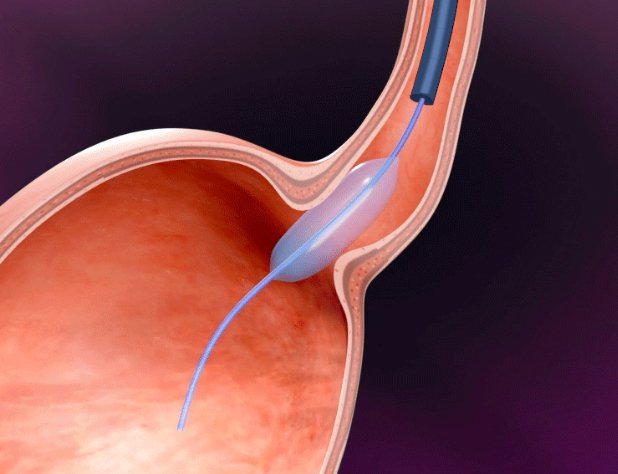
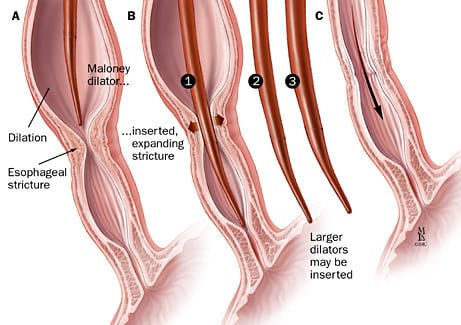
A specialized balloon dilator or a series of tapered dilators may be used.<!-->
/comp--><!--> - <!-->if-->-->
The selected technique depends on the location, length, severity, and cause of the stricture.<!-->
/comp--><!--> - <!-->if-->-->
Dilatation helps improve the passage of food and liquids through the esophagus.<!-->
/comp--><!--> - <!-->if-->-->
Some patients may require more than one session to achieve and maintain adequate swallowing.<!-->
/comp--><!-->
4. Common Causes of Esophageal Strictures<!-->
/comp-->Several conditions can lead to esophageal narrowing, including:<!-->
/comp-->- <!-->if-->-->
Gastroesophageal Reflux Disease (GERD): Chronic acid reflux can cause inflammation and scar tissue formation.<!-->
/comp--><!--> - <!-->if-->-->
Peptic Strictures: Repeated exposure to stomach acid may result in narrowing of the lower esophagus.<!-->
/comp--><!--> - <!-->if-->-->
Eosinophilic Esophagitis (EoE): A chronic inflammatory condition that can cause rings, narrowing, and strictures.<!-->
/comp--><!--> - <!-->if-->-->
Previous Esophageal Surgery: Surgical procedures may occasionally lead to scar-related narrowing.<!-->
/comp--><!--> - <!-->if-->-->
Radiation Therapy: Radiation-related tissue injury may cause fibrosis and narrowing.<!-->
/comp--><!--> - <!-->if-->-->
Caustic Injury: Accidental ingestion of corrosive substances can damage the esophagus and result in strictures.<!-->
/comp--><!--> - <!-->if-->-->
Post-Endoscopic or Anastomotic Scarring: Scar tissue may develop following certain procedures or surgery.<!-->
/comp--><!--> - <!-->if-->-->
Esophageal Tumors: Abnormal growths can narrow the esophagus and require careful evaluation before treatment.<!-->
/comp--><!-->
Important: A newly identified esophageal stricture must be evaluated to exclude malignancy when clinically indicated. Not every stricture is suitable for routine dilatation without further investigation.<!-->
/comp-->5. Signs and Symptoms of Esophageal Stricture<!-->
/comp-->Patients with an esophageal stricture may experience the following symptoms:<!-->
/comp-->- <!-->if-->-->
Dysphagia (difficulty swallowing solid foods or liquids).<!-->
/comp--><!--> - <!-->if-->-->
A sensation of food sticking in the throat or chest.<!-->
/comp--><!--> - <!-->if-->-->
Pain or discomfort while swallowing.<!-->
/comp--><!--> - <!-->if-->-->
Regurgitation of undigested food.<!-->
/comp--><!--> - <!-->if-->-->
Recurrent episodes of food getting stuck.<!-->
/comp--><!--> - <!-->if-->-->
Prolonged mealtimes or difficulty eating normally.<!-->
/comp--><!--> - <!-->if-->-->
Unintentional weight loss due to reduced food intake.<!-->
/comp--><!--> - <!-->if-->-->
Recurrent respiratory symptoms associated with regurgitation or aspiration in some patients.<!-->
/comp--><!-->
Progressive difficulty swallowing, unexplained weight loss, or painful swallowing requires prompt medical evaluation.<!-->
/comp-->6. When Is Esophageal Stricture Dilatation Recommended?<!-->
/comp-->A gastroenterologist may recommend dilatation when an esophageal narrowing causes significant symptoms or interferes with normal eating and drinking.<!-->
/comp-->Common indications include:<!-->
/comp-->- <!-->if-->-->
Persistent dysphagia caused by a benign esophageal stricture.<!-->
/comp--><!--> - <!-->if-->-->
Peptic strictures associated with chronic acid reflux.<!-->
/comp--><!--> - <!-->if-->-->
Symptomatic narrowing associated with eosinophilic esophagitis.<!-->
/comp--><!--> - <!-->if-->-->
Post-surgical or anastomotic strictures.<!-->
/comp--><!--> - <!-->if-->-->
Selected radiation-induced or caustic strictures.<!-->
/comp--><!--> - <!-->if-->-->
Recurrent food impaction related to a confirmed narrowing, after appropriate evaluation.<!-->
/comp--><!-->
The decision to perform dilatation depends on the underlying diagnosis, the patient's medical condition, and the expected benefits and risks.<!-->
/comp-->7. How Is Esophageal Stricture Diagnosed?<!-->
/comp-->Accurate diagnosis helps determine the most appropriate treatment approach.<!-->
/comp-->- <!-->if-->-->
Medical History: The gastroenterologist reviews swallowing symptoms, their duration, associated symptoms, and relevant medical history.<!-->
/comp--><!--> - <!-->if-->-->
Upper GI Endoscopy (EGD): Allows direct visualization of the esophagus and assessment of the narrowing.<!-->
/comp--><!--> - <!-->if-->-->
Esophageal Biopsy: May be required to evaluate inflammation, eosinophilic esophagitis, or suspected malignancy.<!-->
/comp--><!--> - <!-->if-->-->
Barium Swallow Study: Can help identify the location, length, and severity of a stricture.<!-->
/comp--><!--> - <!-->if-->-->
Additional Investigations: Further testing may be necessary depending on the suspected cause and endoscopic findings.<!-->
/comp--><!-->
8. How Is the Dilatation Procedure Performed?<!-->
/comp-->Esophageal stricture dilatation is generally performed by a trained gastroenterologist in an appropriately equipped endoscopy unit.<!-->
/comp-->- <!-->if-->-->
Pre-procedure Assessment: The patient's medical history, medications, allergies, and procedural risks are reviewed.<!-->
/comp--><!--> - <!-->if-->-->
Preparation: The patient follows fasting instructions and receives guidance regarding medications and sedation.<!-->
/comp--><!--> - <!-->if-->-->
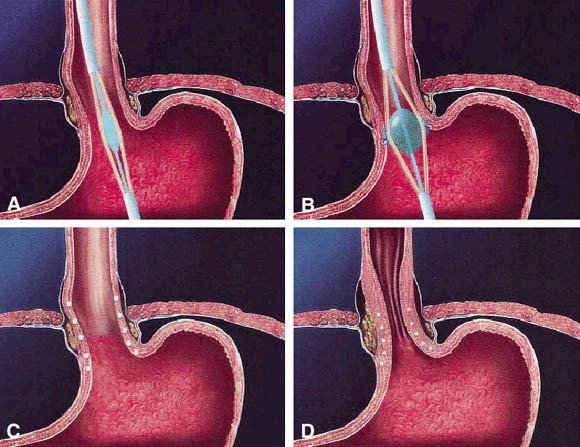
Endoscopic Examination: An endoscope is passed through the mouth to examine the esophagus and identify the narrowing.<!-->
/comp--><!--> - <!-->if-->-->
Selection of Dilator: A balloon dilator or wire-guided bougie dilator is selected according to the stricture's characteristics.<!-->
/comp--><!--> - <!-->if-->-->
Controlled Dilatation: The narrowed segment is gradually widened using an appropriate technique and diameter.<!-->
/comp--><!--> - <!-->if-->-->
Post-procedure Assessment: The patient is monitored for recovery from sedation and for signs of complications.<!-->
/comp--><!--> - <!-->if-->-->
Follow-up Planning: Further dilatation sessions or treatment of the underlying condition may be required.<!-->
/comp--><!-->
The technique and extent of dilatation are individualized to reduce the risk of complications.<!-->
/comp-->9. Types of Esophageal Dilatation<!-->
/comp-->Two commonly used methods are:<!-->
/comp-->A. Balloon Dilatation<!-->
/comp-->- <!-->if-->-->
A deflated balloon is positioned across the narrowed segment.<!-->
/comp--><!--> - <!-->if-->-->
The balloon is inflated in a controlled manner to widen the stricture.<!-->
/comp--><!--> - <!-->if-->-->
It allows targeted and controlled expansion of the narrowed area.<!-->
/comp--><!-->
B. Bougie Dilatation<!-->
/comp-->- <!-->if-->-->
A specialized tapered dilator is passed through the stricture.<!-->
/comp--><!--> - <!-->if-->-->
Progressively larger dilators may be used when appropriate.<!-->
/comp--><!--> - <!-->if-->-->
Wire-guided techniques can help facilitate controlled placement in selected cases.<!-->
/comp--><!-->
The choice between balloon and bougie dilatation depends on the stricture's characteristics, the clinician's expertise, and available equipment.<!-->
/comp-->10. Benefits of Esophageal Stricture Dilatation<!-->
/comp-->Potential benefits include:<!-->
/comp-->- <!-->if-->-->
Improved swallowing of food and liquids.<!-->
/comp--><!--> - <!-->if-->-->
Reduced sensation of food sticking in the chest.<!-->
/comp--><!--> - <!-->if-->-->
Improved ability to maintain adequate nutritional intake.<!-->
/comp--><!--> - <!-->if-->-->
Reduced swallowing-related discomfort when caused by the narrowing.<!-->
/comp--><!--> - <!-->if-->-->
Improved daily functioning and quality of life.<!-->
/comp--><!--> - <!-->if-->-->
Reduced risk of recurrent food obstruction in appropriately selected patients.<!-->
/comp--><!-->
The degree and duration of improvement vary according to the underlying cause and severity of the stricture.<!-->
/comp-->11. Risks and Potential Complications<!-->
/comp-->Although esophageal dilatation is commonly performed, it carries certain risks.<!-->
/comp-->- <!-->if-->-->
Esophageal Perforation: A tear or hole in the esophageal wall that may require urgent treatment.<!-->
/comp--><!--> - <!-->if-->-->
Bleeding: Minor bleeding may occur, while significant bleeding is less common.<!-->
/comp--><!--> - <!-->if-->-->
Chest Discomfort: Temporary discomfort or soreness may occur after the procedure.<!-->
/comp--><!--> - <!-->if-->-->
Aspiration: Stomach contents may enter the respiratory tract, particularly in susceptible patients.<!-->
/comp--><!--> - <!-->if-->-->
Sedation-Related Complications: Breathing or cardiovascular problems may occur in some patients.<!-->
/comp--><!--> - <!-->if-->-->
Stricture Recurrence: The narrowing may return and require repeat dilatation.<!-->
/comp--><!--> - <!-->if-->-->
Infection: Uncommon, but possible in selected clinical circumstances.<!-->
/comp--><!-->
Severe or increasing chest pain, breathing difficulty, fever, vomiting blood, or difficulty swallowing saliva after the procedure requires urgent medical assessment.<!-->
/comp-->12. Preparation Before the Procedure<!-->
/comp-->Patients should follow the specific instructions provided by their healthcare team.<!-->
/comp-->- <!-->if-->-->
Follow the recommended fasting period.<!-->
/comp--><!--> - <!-->if-->-->
Inform the gastroenterologist about all medications and supplements.<!-->
/comp--><!--> - <!-->if-->-->
Discuss blood thinners, diabetes medications, and any medication allergies.<!-->
/comp--><!--> - <!-->if-->-->
Report existing heart, lung, or other significant medical conditions.<!-->
/comp--><!--> - <!-->if-->-->
Arrange transportation home if sedation is planned.<!-->
/comp--><!--> - <!-->if-->-->
Ask the medical team about the expected procedure, risks, and recovery.<!-->
/comp--><!-->
Patients should not stop prescribed medications unless instructed by their healthcare professional.<!-->
/comp-->13. Recovery and Aftercare<!-->
/comp-->Recovery instructions depend on the procedure performed and the patient's clinical condition.<!-->
/comp-->- <!-->if-->-->
Remain under observation until adequately recovered from sedation.<!-->
/comp--><!--> - <!-->if-->-->
Follow the endoscopy team's instructions regarding when to resume drinking and eating.<!-->
/comp--><!--> - <!-->if-->-->
Begin with the recommended diet and advance as advised.<!-->
/comp--><!--> - <!-->if-->-->
Follow any prescribed treatment for the underlying condition, such as acid suppression.<!-->
/comp--><!--> - <!-->if-->-->
Attend scheduled follow-up appointments.<!-->
/comp--><!--> - <!-->if-->-->
Report persistent or recurrent swallowing difficulties.<!-->
/comp--><!-->
Severe chest pain, fever, shortness of breath, or significant bleeding after dilatation should not be considered normal recovery symptoms.<!-->
/comp-->14. Can Esophageal Strictures Return After Dilatation?<!-->
/comp-->Yes. Some esophageal strictures recur because the underlying inflammatory or scarring process may continue.<!-->
/comp-->Recurrence is more likely with certain complex strictures and ongoing conditions, such as uncontrolled acid reflux.<!-->
/comp-->Long-term management may include:<!-->
/comp-->- <!-->if-->-->
Treatment of the underlying cause.<!-->
/comp--><!--> - <!-->if-->-->
Acid-suppressing medication when indicated.<!-->
/comp--><!--> - <!-->if-->-->
Appropriate dietary and lifestyle measures.<!-->
/comp--><!--> - <!-->if-->-->
Repeat endoscopic dilatation when clinically necessary.<!-->
/comp--><!--> - <!-->if-->-->
Additional specialist treatments for selected strictures that do not respond adequately to standard dilatation.<!-->
/comp--><!-->
Regular follow-up helps the gastroenterologist assess treatment response and determine whether additional intervention is required.<!-->
/comp-->15. When Should You Consult a Gastroenterologist?<!-->
/comp-->Consult a gastroenterologist if you experience:<!-->
/comp-->- <!-->if-->-->
Persistent or worsening difficulty swallowing.<!-->
/comp--><!--> - <!-->if-->-->
Repeated episodes of food getting stuck.<!-->
/comp--><!--> - <!-->if-->-->
Pain or discomfort during swallowing.<!-->
/comp--><!--> - <!-->if-->-->
Unexplained weight loss.<!-->
/comp--><!--> - <!-->if-->-->
Regurgitation associated with swallowing difficulties.<!-->
/comp--><!--> - <!-->if-->-->
Recurrent symptoms after previous esophageal dilatation.<!-->
/comp--><!-->
Seek emergency medical care if food is completely obstructing the esophagus, you cannot swallow your saliva, or you develop severe chest pain or breathing difficulties.<!-->
/comp-->16. Frequently Asked Questions (FAQs)<!-->
/comp-->Q1. Is esophageal stricture dilatation a surgical procedure?<!-->
/comp-->No. It is generally an endoscopic procedure performed through the mouth without an external surgical incision.<!-->
/comp-->Q2. Is esophageal dilatation painful?<!-->
/comp-->Sedation or other appropriate measures are commonly used to improve comfort. Temporary throat or chest discomfort may occur afterward.<!-->
/comp-->Q3. How many dilatation sessions are required?<!-->
/comp-->The number varies according to the stricture's severity, complexity, cause, and response to treatment. Some patients require only one session, while others need multiple sessions.<!-->
/comp-->Q4. Does esophageal dilatation provide a permanent cure?<!-->
/comp-->Not always. Dilatation widens the narrowed area, but the underlying disease may require ongoing treatment and the stricture can recur.<!-->
/comp-->Q5. What is the difference between balloon and bougie dilatation?<!-->
/comp-->Balloon dilatation uses an inflatable balloon to widen the narrowing, whereas bougie dilatation uses a specialized tapered dilator.<!-->
/comp-->Q6. Is follow-up necessary after dilatation?<!-->
/comp-->Yes. Follow-up helps assess swallowing improvement, identify recurrence, and ensure that the underlying cause is being appropriately managed.<!-->
/comp-->17. Conclusion<!-->
/comp-->Esophageal stricture dilatation is an important therapeutic procedure for patients experiencing swallowing difficulties due to esophageal narrowing. Through careful diagnosis, appropriate dilatation techniques, and management of the underlying condition, gastroenterologists can improve swallowing function and patients' quality of life.<!-->
/comp-->Early evaluation of persistent dysphagia is essential to identify the cause and determine the most appropriate treatment.<!-->
/comp-->Book a Consultation: If you are experiencing difficulty swallowing or have been diagnosed with an esophageal stricture, consult a qualified gastroenterologist for an individualized assessment and treatment plan.
Best Gastroenterologist in Karachi
Specialized care for digestive disorders, liver diseases, and advanced endoscopy procedures.
- Doctor Profile: View Profile
- Clinic Details: View Clinic
- Contact: 0334 3646307 | 0303 3638304
- Location: Google Maps 1 | Google Maps 2