Acid Reflux & GERD: Causes, Symptoms, Diagnosis, Treatment, and Long-Term Management
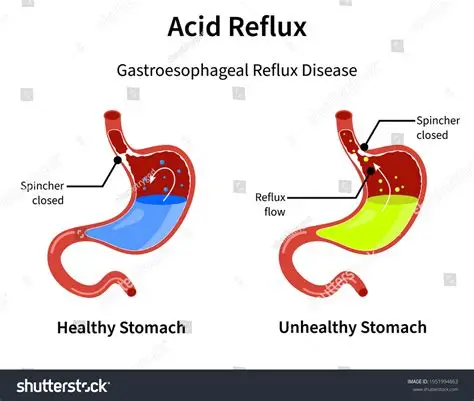
Acid Reflux, medically known as Gastroesophageal Reflux (GER), occurs when stomach contents flow back into the esophagus. Occasional reflux is common, but when reflux happens repeatedly and causes troublesome symptoms or complications, it may be diagnosed as Gastroesophageal Reflux Disease (GERD).
GERD is a common digestive condition that can significantly affect a person's comfort, sleep, eating habits, and daily activities. Persistent reflux may also cause inflammation or injury to the esophagus and, in some patients, lead to complications such as esophageal narrowing or Barrett’s esophagus.
Early assessment and appropriate management can help control symptoms, protect the esophagus, and reduce the risk of complications.
Step 1: Understanding Acid Reflux and GERD
When we eat, food travels from the mouth through the esophagus into the stomach. A muscular valve called the Lower Esophageal Sphincter (LES) normally helps prevent stomach contents from flowing backward into the esophagus.
Occasional reflux can occur when stomach contents move upward into the esophagus. When this process becomes frequent, troublesome, or associated with complications, it may be considered GERD.
In simple terms:
Food enters the stomach → The LES normally prevents backflow → Stomach contents occasionally reflux upward → Repeated or troublesome reflux may result in GERD.
Step 2: Understanding the Difference Between Acid Reflux and GERD
The terms acid reflux and GERD are often used interchangeably, but they are not exactly the same.
Acid Reflux
Acid reflux refers to the backward movement of stomach contents into the esophagus. Occasional reflux can occur in healthy individuals and may not represent a chronic disease.
GERD
GERD is a more persistent condition in which reflux causes repeated troublesome symptoms or complications over time.
Recognizing this difference is important because frequent or persistent symptoms may require medical evaluation rather than repeated self-treatment.
Step 3: Recognizing the Common Symptoms of GERD
The symptoms of GERD can vary from patient to patient.
The most common symptoms include:
Heartburn, a burning sensation behind the breastbone or in the middle of the chest
Regurgitation, when stomach contents or a sour-tasting fluid comes back into the throat or mouth
Acid or sour taste in the mouth
Chest discomfort
Nausea
Difficulty swallowing
Pain while swallowing
Some people may also experience symptoms involving the throat or respiratory system, such as chronic cough or hoarseness. Not every person with GERD experiences classic heartburn.
Step 4: Recognizing Symptoms That May Occur at Night
Reflux symptoms may become more troublesome when a person lies down.
Patients may notice:
Heartburn after going to bed
Sour fluid coming into the throat
Night-time coughing
Interrupted sleep
Throat irritation or hoarseness
For patients whose symptoms occur at night, changes in meal timing and sleeping position may help reduce symptoms. For example, eating meals at least 3 hours before lying down or going to bed may be helpful.
Step 5: Understanding Why GERD Develops
GERD can occur when the mechanisms that normally prevent reflux do not work effectively.
One important factor is weakness or inappropriate relaxation of the Lower Esophageal Sphincter (LES). Other factors can also increase the likelihood of reflux or make symptoms worse.
These may include:
Overweight or obesity
Pregnancy
Smoking or exposure to secondhand smoke
Hiatal hernia
Certain medicines
Individual dietary triggers
A hiatal hernia occurs when part of the upper stomach moves through an opening in the diaphragm into the chest and can increase the likelihood or severity of GERD in some people.
Step 6: Recognizing Common Triggering Factors
Different patients may have different triggers. Some foods and beverages commonly associated with worsening GERD symptoms include:
Spicy foods
High-fat foods
Coffee and other sources of caffeine
Chocolate
Mint
Citrus or other acidic foods
Tomatoes
Alcoholic beverages
These triggers are not identical for everyone. Instead of unnecessarily avoiding large numbers of foods, patients can discuss their individual symptom pattern with their doctor and identify foods that consistently make their symptoms worse.
Step 7: Medical History and Clinical Assessment
The diagnosis of GERD often begins with a detailed discussion of the patient's symptoms and medical history.
The doctor may ask:
How frequently symptoms occur
How long the symptoms have been present
Whether symptoms occur after meals
Whether symptoms become worse when lying down
Whether there is regurgitation
Whether swallowing is difficult or painful
Whether symptoms occur at night
Whether there has been unexplained weight loss
Which medicines the patient is currently taking
Whether previous treatment has helped
A clinical examination may also be performed to assess the patient's overall condition and identify features suggesting another medical problem.
Step 8: Understanding When Diagnostic Testing Is Needed
Many patients with typical GERD symptoms can initially be assessed through symptoms and medical history, and doctors may recommend lifestyle measures and treatment without immediate testing.
However, further investigation may be appropriate when:
Symptoms do not improve with treatment
Symptoms return repeatedly
Complications are suspected
Another condition may be causing similar symptoms
There are alarm features such as difficulty swallowing, bleeding, persistent vomiting, or unexplained weight loss
The choice of testing depends on the patient's individual clinical situation.
Step 9: Upper GI Endoscopy
An Upper Gastrointestinal Endoscopy (Upper GI Endoscopy) allows a doctor to directly examine the lining of the:
Esophagus → Stomach → Duodenum
A flexible endoscope with a camera is gently passed through the mouth to examine the upper digestive tract.
Endoscopy may help identify:
Esophagitis
Esophageal ulcers
Narrowing or strictures
Barrett’s esophagus
Other abnormalities
Conditions other than GERD that may explain symptoms
Biopsies can also be taken during endoscopy when clinically appropriate.
Step 10: Esophageal pH Monitoring
When the diagnosis is uncertain or symptoms persist despite treatment, esophageal pH monitoring may be recommended.
This test measures acid exposure in the esophagus and can help determine whether reflux is associated with the patient's symptoms.
Depending on the type of test, monitoring may involve a thin catheter or a small wireless capsule that records acid exposure over time.
This can be particularly useful when doctors need objective evidence of reflux or want to assess the response to treatment.
Step 11: Other Diagnostic Evaluation
In selected patients, additional investigations may be considered depending on the symptoms and suspected cause.
The doctor may recommend other tests when:
Swallowing difficulties are present
Symptoms are atypical
Treatment has not provided adequate relief
Another gastrointestinal condition needs to be excluded
Testing is individualized rather than automatically required for every patient with heartburn.
Step 12: Lifestyle Management
Lifestyle modifications can play an important role in controlling GERD symptoms.
Depending on the patient's circumstances, a doctor may recommend:
Weight Management
For patients who are overweight or have obesity, weight loss may help reduce GERD symptoms.
Meal Timing
Patients with night-time reflux may benefit from avoiding meals for at least 3 hours before lying down or going to bed.
Identifying Food Triggers
Patients can identify foods or beverages that consistently worsen their symptoms and reduce or avoid those specific triggers.
Smoking Cessation
Smoking can contribute to GERD, and quitting smoking may help improve symptoms and overall health.
Sleeping Position
For people with night-time symptoms, elevating the upper part of the body during sleep may reduce reflux episodes.
Step 13: Medical Treatment for GERD
When lifestyle measures alone are not enough, medicines may be recommended.
Antacids
Antacids may provide short-term relief for mild heartburn and other mild reflux symptoms. They are generally intended for symptom relief rather than long-term treatment of severe or persistent GERD.
H2-Receptor Blockers
These medicines reduce the amount of acid produced by the stomach and may be used in selected patients.
Proton Pump Inhibitors (PPIs)
Proton Pump Inhibitors (PPIs) reduce stomach acid production and are highly effective in treating GERD symptoms and healing acid-related injury of the esophageal lining in many patients.
The choice, dose, and duration of treatment should be determined according to the patient's symptoms, diagnosis, and response to therapy.
Step 14: Understanding Long-Term Medication Use
Some patients require longer-term treatment for persistent or recurrent GERD.
Long-term medication should be reviewed periodically with a healthcare professional so that the benefits, risks, symptoms, and ongoing need for treatment can be assessed.
Patients should not stop or change prescribed medication without discussing it with their doctor, particularly when treatment has been controlling significant reflux disease.
Step 15: GERD and Hiatal Hernia
A hiatal hernia may contribute to GERD by affecting the normal barrier between the stomach and esophagus.
Not every patient with a hiatal hernia requires surgery or specialized intervention. Management depends on the symptoms, severity, associated findings, and response to treatment.
When symptoms are persistent or complicated, specialist evaluation may be appropriate.
Step 16: Possible Complications of Long-Term GERD
Persistent untreated or poorly controlled GERD can sometimes lead to complications.
These may include:
Esophagitis
Repeated exposure to refluxed stomach contents can cause inflammation of the esophageal lining.
Esophageal Stricture
Ongoing inflammation and scarring can cause narrowing of the esophagus, making swallowing more difficult.
Barrett’s Esophagus
Long-term GERD can be associated with Barrett’s esophagus, a condition in which the lining of the lower esophagus changes. Barrett’s esophagus is important because it is associated with an increased risk of esophageal adenocarcinoma.
Not every patient with GERD develops these complications, but persistent symptoms and appropriate follow-up can help identify patients who require further evaluation.
Step 17: Recognizing Alarm Symptoms
Heartburn should not automatically be assumed to be GERD, particularly when symptoms are severe, new, or unusual.
Patients should seek medical attention when they experience:
Difficulty swallowing
Painful swallowing
Persistent vomiting
Vomiting blood
Black, tarry stools
Unexplained weight loss
Loss of appetite
Persistent or severe chest pain
Chest pain can have causes unrelated to GERD, including potentially serious heart conditions. New or unexplained chest pain should therefore receive appropriate medical assessment rather than being assumed to be acid reflux.
Step 18: When Specialist Evaluation May Be Recommended
A gastroenterology consultation may be appropriate for patients who:
Have persistent or recurrent reflux symptoms
Do not respond adequately to initial treatment
Require long-term acid-suppressive therapy
Have difficulty swallowing
Have suspected complications
Have recurrent symptoms after stopping treatment
Need endoscopy or reflux testing
A specialist can determine whether further evaluation or a change in treatment is required.
Step 19: Surgical and Procedural Treatment
Most patients with GERD can be managed with lifestyle measures and medicines. However, selected patients may be considered for surgical or procedural treatment.
One established surgical option is fundoplication, in which the upper part of the stomach is wrapped around the lower esophagus to strengthen the anti-reflux barrier.
In carefully selected patients, other procedures may also be considered. The decision depends on objective evaluation, symptoms, anatomy, treatment response, and individual patient factors.
Step 20: A Complete Approach to GERD Management
Effective GERD management is not simply about taking an antacid whenever symptoms appear.
A comprehensive approach involves:
Recognizing symptoms → Assessing risk factors → Identifying triggers → Making appropriate lifestyle changes → Using medicines when indicated → Investigating persistent or concerning symptoms → Treating complications → Providing appropriate long-term follow-up.
This structured approach helps patients achieve better symptom control while allowing doctors to identify patients who need additional investigation.
Frequently Asked Questions About Acid Reflux & GERD
What is the difference between acid reflux and GERD?
Acid reflux refers to the backward movement of stomach contents into the esophagus. GERD is the more persistent condition in which reflux causes repeated troublesome symptoms or complications.
What is the most common symptom of GERD?
Heartburn and regurgitation are among the most common symptoms of GERD. However, some patients may experience other symptoms, including difficulty swallowing, nausea, chronic cough, or hoarseness.
Can GERD occur without heartburn?
Yes. Not every person with GERD experiences typical heartburn or regurgitation.
Can GERD be treated?
Yes. Treatment may include lifestyle modifications, medicines, and, in selected cases, surgery or other procedures.
Does everyone with GERD need an endoscopy?
No. Many patients can initially be assessed based on symptoms and medical history. Endoscopy is generally considered when there are concerning symptoms, suspected complications, another diagnosis is possible, or symptoms do not improve with initial treatment.
Can losing weight improve GERD symptoms?
For people who are overweight or have obesity, weight loss may reduce GERD symptoms.
Can GERD cause difficulty swallowing?
Yes. Long-standing reflux can sometimes cause esophageal inflammation or narrowing, which can result in difficulty swallowing.
When should I see a doctor for heartburn?
Medical evaluation is recommended when symptoms are persistent, recurrent, difficult to control, or associated with warning signs such as difficulty swallowing, persistent vomiting, bleeding, unexplained weight loss, or significant chest pain.
Conclusion
Acid Reflux and GERD are common digestive conditions, but persistent symptoms should not be ignored. Repeated reflux can affect the esophagus and, in some patients, lead to complications.
A professional evaluation can help determine whether symptoms are caused by GERD or another condition. Depending on the patient's presentation, management may include lifestyle modifications, acid-suppressing medicines, Upper GI Endoscopy, reflux monitoring, or other appropriate treatment.
The key to effective management is a personalized approach that focuses on symptom control, identification of underlying factors, prevention of complications, and appropriate long-term follow-up.
Patients experiencing frequent heartburn, regurgitation, difficulty swallowing, persistent vomiting, unexplained weight loss, gastrointestinal bleeding, or concerning chest pain should seek timely medical evaluation from a qualified physician or gastroenterology specialist.