Malnutrition Management
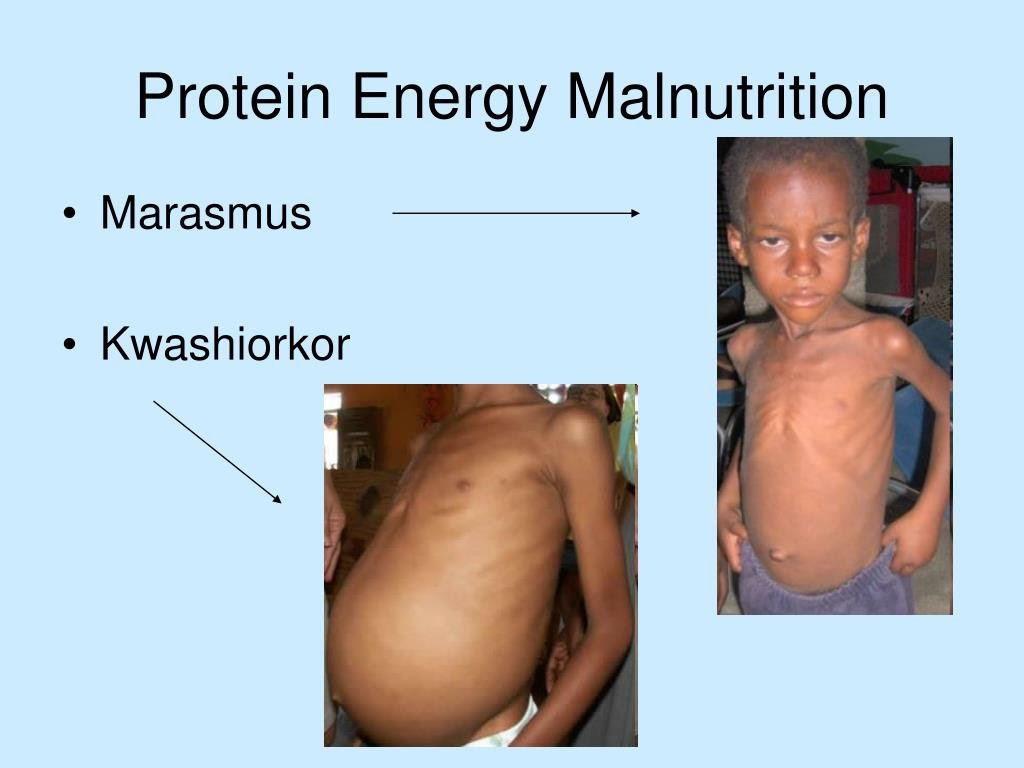
Malnutrition is a condition in which the body does not receive, absorb, or properly utilize adequate energy, protein, vitamins, or minerals to meet its nutritional needs. It can occur in patients with gastrointestinal and liver diseases due to poor appetite, difficulty eating, impaired nutrient absorption, chronic diarrhea, vomiting, inflammation, or increased nutritional requirements.
Malnutrition can affect body weight, muscle strength, immunity, wound healing, recovery from illness, and overall quality of life. Early identification and appropriate nutritional management are therefore important components of comprehensive gastroenterology and hepatology care.
Step 1: Comprehensive Nutritional Assessment
Management begins with a detailed assessment of the patient's nutritional and medical history. The doctor reviews appetite, dietary intake, recent weight changes, gastrointestinal symptoms, existing medical conditions, medications, and previous nutritional problems.
Particular attention is given to symptoms such as persistent diarrhea, vomiting, abdominal pain, difficulty swallowing, early fullness, bloating, or reduced appetite that may interfere with adequate food intake.
Step 2: Assessment of Weight & Body Composition
The patient's current weight, BMI, recent weight changes, and overall nutritional status are assessed. When clinically appropriate, muscle mass and physical strength may also be considered.
Unintentional weight loss or loss of muscle mass can be important indicators of nutritional deterioration, even when a patient's body weight appears to be within a normal range.
Step 3: Identifying the Underlying Cause
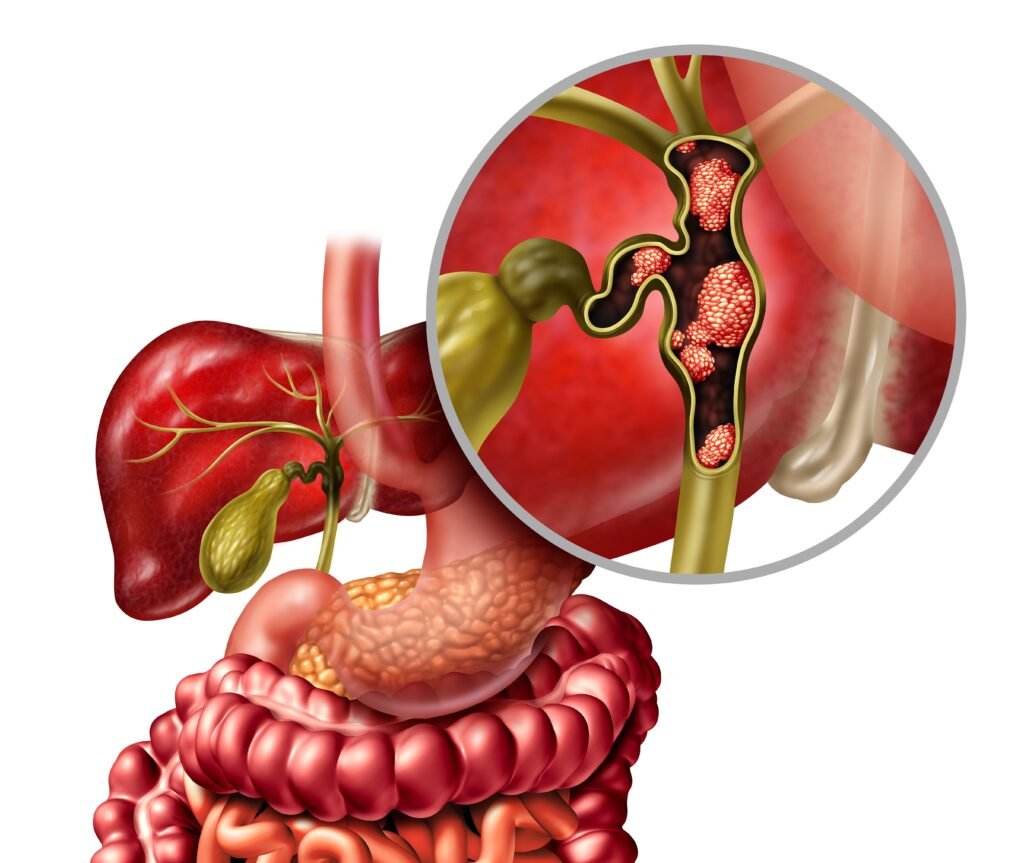
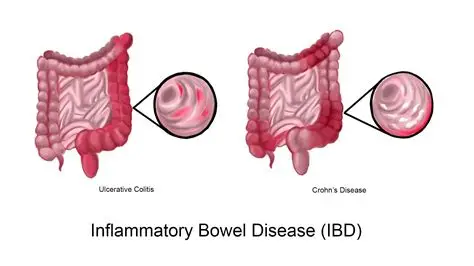
Identifying and treating the underlying cause is an essential part of malnutrition management. Gastrointestinal conditions such as Inflammatory Bowel Disease, Celiac Disease, chronic diarrhea, malabsorption disorders, gastrointestinal cancers, and other digestive diseases can contribute to inadequate nutrition.
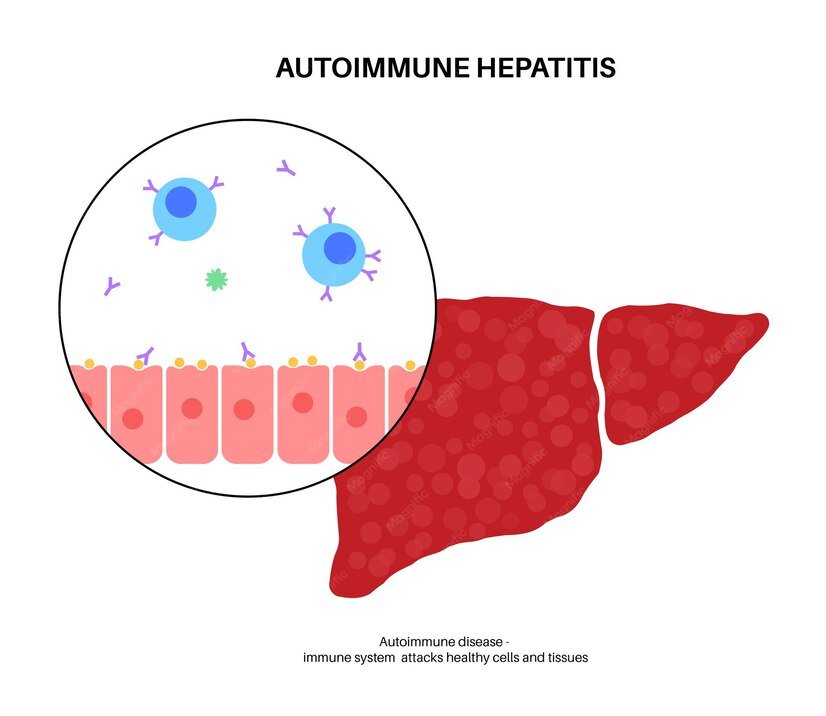
Liver diseases, chronic infections, prolonged illness, reduced appetite, and certain medications may also affect nutritional status.
Step 4: Evaluation for Nutritional Deficiencies
Depending on the patient's condition, laboratory investigations may be used to evaluate for deficiencies involving iron, vitamin B12, folate, vitamin D, calcium, magnesium, zinc, and other relevant nutrients.
The results help guide appropriate nutritional interventions and determine whether supplementation or additional medical treatment is required.
Step 5: Developing an Individualized Nutrition Plan
A personalized nutritional plan is developed according to the patient's medical condition, nutritional requirements, food preferences, digestive symptoms, and ability to eat.
The plan may focus on adequate calories, protein, vitamins, minerals, fluids, and other essential nutrients while taking into account any dietary restrictions required because of the underlying disease.
Step 6: Improving Protein & Energy Intake
Adequate protein and energy are important for maintaining muscle mass, strength, immune function, and recovery.
Patients with poor appetite may be guided toward nutrient-dense meals and appropriate meal patterns that provide sufficient nutrition without requiring very large portions. Protein sources are selected according to individual tolerance and medical requirements.
Step 7: Managing Gastrointestinal Symptoms
Digestive symptoms can make it difficult to maintain adequate nutritional intake. Management may therefore include addressing symptoms such as nausea, vomiting, diarrhea, constipation, abdominal discomfort, bloating, or early satiety.
Treating the underlying gastrointestinal problem can help improve food intake and nutritional status.
Step 8: Managing Malabsorption
Some gastrointestinal disorders can interfere with the absorption of nutrients from food. When malabsorption is suspected, the underlying cause is evaluated and appropriate medical treatment is provided.
Nutritional management may include dietary adjustments and correction of identified vitamin or mineral deficiencies.
Step 9: Oral Nutritional Support
Whenever possible, maintaining adequate nutrition through a balanced oral diet is preferred. Patients who are unable to meet their nutritional requirements through regular meals may require additional nutritional support based on clinical assessment.
Appropriate nutritional supplements may be considered when clinically indicated and selected according to the patient's nutritional needs and medical condition.
Step 10: Specialized Nutritional Support
In patients who cannot meet their nutritional requirements adequately through normal oral intake, specialized nutritional support may sometimes be required.
Depending on the clinical situation, this can include enteral nutrition or, when appropriate, parenteral nutrition. Such interventions require careful medical assessment and monitoring.
Step 11: Management of Micronutrient Deficiencies
Identified vitamin and mineral deficiencies are addressed through appropriate dietary changes and, when necessary, medically supervised supplementation.
The type and dose of supplementation depend on laboratory findings, the underlying condition, nutritional requirements, and the patient's overall health.
Step 12: Nutrition in Chronic Gastrointestinal & Liver Diseases
Patients with chronic conditions such as Crohn's Disease, Ulcerative Colitis, Celiac Disease, chronic liver disease, liver cirrhosis, or other long-term digestive disorders may require ongoing nutritional monitoring.
Nutritional needs may change according to disease activity, treatment, symptoms, and recovery, so the nutrition plan is reviewed and adjusted over time.
Step 13: Supporting Muscle Health & Physical Recovery
Prolonged inadequate nutrition can contribute to muscle loss and weakness. Appropriate protein and energy intake, together with medically suitable physical activity, may support preservation and recovery of muscle strength.
The approach is individualized according to the patient's age, medical condition, physical capacity, and nutritional status.
Step 14: Nutrition Before & After Medical Procedures
Patients with malnutrition may require nutritional assessment before certain medical or surgical procedures. Improving nutritional status where possible may support recovery and overall treatment outcomes.
After a procedure, nutritional recommendations are adjusted according to the patient's recovery, gastrointestinal function, and medical requirements.
Step 15: Regular Monitoring & Follow-Up
Malnutrition management requires continued monitoring rather than a one-time dietary assessment. Follow-up may include reviewing weight trends, appetite, dietary intake, gastrointestinal symptoms, muscle strength, nutritional deficiencies, and response to treatment.
The nutritional plan can be modified as the patient's condition improves or nutritional requirements change.
Who May Benefit from Malnutrition Management?
Nutritional assessment and management may be particularly important for patients experiencing:
Unintentional Weight Loss
Poor Appetite
Muscle Loss or Weakness
Chronic Diarrhea
Persistent Vomiting
Malabsorption
Crohn's Disease
Ulcerative Colitis
Celiac Disease
Chronic Liver Disease
Liver Cirrhosis
Gastrointestinal Disorders
Nutritional or Micronutrient Deficiencies
Prolonged or Chronic Illness
Our Approach to Malnutrition Management
Our approach focuses on early identification of nutritional problems, evaluation of the underlying cause, individualized dietary planning, correction of nutritional deficiencies, and regular follow-up.
The goal is to restore and maintain adequate nutrition, preserve muscle mass and strength, support recovery, improve tolerance to medical treatment, and promote overall health.
Malnutrition management is provided as part of comprehensive gastroenterology and hepatology care. Each nutritional plan is tailored to the patient's medical condition, digestive symptoms, nutritional requirements, lifestyle, and treatment needs, with ongoing monitoring to ensure that nutritional care remains appropriate and effective.