Autoimmune Hepatitis
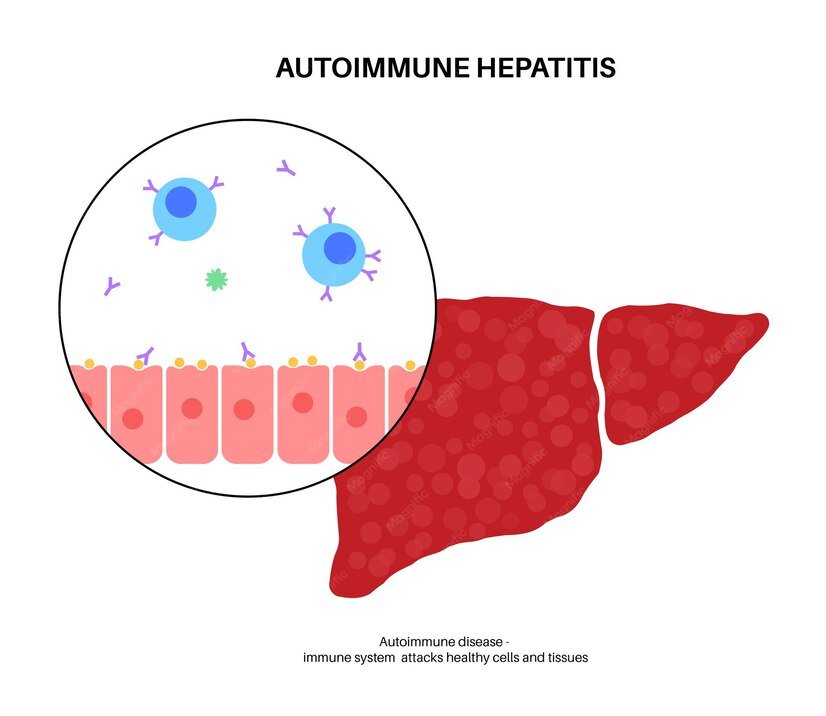
Autoimmune Hepatitis (AIH) is a chronic liver condition in which the body's immune system mistakenly attacks healthy liver cells, causing inflammation and, if left untreated, progressive liver damage. Early diagnosis and appropriate medical management can help control inflammation, protect liver function, and reduce the risk of complications such as liver fibrosis, cirrhosis, and liver failure.
Step 1: Detailed Medical Assessment
The evaluation begins with a comprehensive medical history and clinical assessment. The doctor reviews symptoms, previous liver problems, medications, existing medical conditions, family history, and other factors that may be relevant to liver health.
Common symptoms may include fatigue, weakness, loss of appetite, nausea, abdominal discomfort, joint pain, dark urine, jaundice, or itching. Some patients may have no obvious symptoms and may be diagnosed after abnormal liver tests are discovered.
Step 2: Liver Function Evaluation
Blood tests are performed to assess liver function and identify signs of ongoing inflammation or liver injury. Tests may include liver enzymes such as ALT and AST, bilirubin, albumin, and other relevant laboratory investigations.
The results help determine the severity of liver involvement and provide a baseline for monitoring the response to treatment.
Step 3: Autoimmune Testing
Specific blood tests may be performed to identify autoimmune markers associated with Autoimmune Hepatitis. These can include ANA (Antinuclear Antibody), ASMA (Anti-Smooth Muscle Antibody), and other relevant antibodies, depending on the clinical situation.
Immunoglobulin G (IgG) levels may also be assessed because elevated IgG can support the diagnosis when interpreted together with other clinical and laboratory findings.
Step 4: Excluding Other Liver Conditions
Because several liver diseases can produce similar symptoms and abnormal liver tests, the diagnostic process may also include testing for viral hepatitis and other causes of liver inflammation.
The doctor may evaluate for conditions such as viral hepatitis, metabolic liver disease, drug-induced liver injury, and other autoimmune or liver disorders before confirming the diagnosis.
Step 5: Imaging and Liver Assessment
Ultrasound or other appropriate imaging may be recommended to evaluate the liver and surrounding structures. Imaging can help assess the overall condition of the liver and identify features that may suggest advanced liver disease or other abnormalities.
Additional investigations may be considered depending on the patient's clinical condition.
Step 6: Liver Biopsy When Required
In selected patients, a liver biopsy may be recommended to support the diagnosis and determine the degree of liver inflammation and fibrosis.
A small sample of liver tissue is obtained and examined under a microscope. Biopsy findings can provide important information about the activity of the disease and the extent of liver damage.
Step 7: Individualized Treatment Planning
Treatment is tailored according to the severity of the disease, laboratory findings, symptoms, degree of liver damage, and the patient's overall health.
The main objective of treatment is to reduce immune-related inflammation, achieve biochemical remission where appropriate, preserve liver function, and prevent progression of liver damage.
Step 8: Medical Treatment and Monitoring
Autoimmune Hepatitis is commonly managed with immunosuppressive medicines prescribed and monitored by a specialist. Treatment selection depends on the individual patient's condition, medical history, and response to therapy.
Regular blood tests are important during treatment to monitor liver enzymes, IgG levels, treatment response, and potential medication-related effects. Medication should only be adjusted or discontinued under medical supervision.
Step 9: Monitoring for Fibrosis and Cirrhosis
Long-term monitoring helps assess whether liver inflammation is controlled and whether fibrosis or cirrhosis is developing or progressing.
Patients with significant liver disease may require periodic assessment of liver function and screening for complications associated with advanced liver disease.
Step 10: Long-Term Follow-Up
Autoimmune Hepatitis often requires long-term medical follow-up. Even when symptoms improve, regular monitoring remains important because the disease can become active again.
Follow-up visits may include clinical assessment, liver function tests, IgG monitoring, medication review, and additional investigations when clinically indicated.
Complications We Aim to Prevent
Without appropriate treatment and monitoring, ongoing liver inflammation may contribute to:
Liver fibrosis
Liver cirrhosis
Portal hypertension
Ascites
Gastrointestinal bleeding related to advanced liver disease
Liver failure
Early recognition and continued specialist care can help reduce the risk of disease progression.
Who May Benefit From Evaluation?
A specialist assessment may be appropriate for patients with:
Persistently abnormal liver enzymes
Unexplained liver inflammation
Positive autoimmune liver antibodies
Elevated IgG levels
Unexplained jaundice
Chronic fatigue associated with abnormal liver tests
Suspected autoimmune liver disease
Previously diagnosed Autoimmune Hepatitis requiring ongoing monitoring
Our Approach
Our approach to Autoimmune Hepatitis focuses on accurate diagnosis, individualized treatment, regular monitoring, and long-term liver protection. Each patient is evaluated according to their symptoms, laboratory findings, liver condition, and treatment response.
The goal is to control autoimmune inflammation, maintain healthy liver function, detect complications at an early stage, and provide continuous medical guidance throughout the course of the disease.