Bile Duct Disorders
Bile Duct Disorders include a wide range of conditions that affect the tubes responsible for transporting bile from the liver and gallbladder into the small intestine. Bile plays an important role in digestion, particularly in the absorption of fats and fat-soluble vitamins. When the bile ducts become narrowed, blocked, inflamed, infected, or otherwise damaged, normal bile flow can be disrupted.
Bile duct disorders may develop due to gallstones, inflammation, infections, strictures, previous surgery or procedures, structural abnormalities, or other diseases affecting the liver, gallbladder, pancreas, or biliary system. Some conditions may cause mild digestive symptoms, while significant obstruction can lead to jaundice, infection, liver injury, or other serious complications.
Early evaluation and appropriate treatment are important for identifying the underlying cause, relieving obstruction when present, restoring bile drainage, and protecting liver and biliary function.
Step 1: Comprehensive Medical History and Clinical Assessment
The evaluation begins with a detailed medical history and physical examination. The doctor reviews the patient's symptoms, their duration, previous episodes, medical conditions, medications, surgical history, and any previous gallbladder, liver, or bile duct procedures.
Particular attention is given to symptoms that may indicate impaired bile flow or biliary obstruction.
These may include:
Pain in the upper or right side of the abdomen
Recurrent abdominal discomfort after meals
Yellowing of the skin or eyes
Dark-colored urine
Pale or clay-colored stools
Persistent itching
Nausea or vomiting
Loss of appetite
Fever or chills
Unexplained fatigue
Digestive discomfort or intolerance to fatty foods
A detailed assessment helps determine which investigations may be most appropriate.
Step 2: Laboratory Evaluation
Blood investigations are an important part of evaluating suspected bile duct disease. Liver function tests can provide information about liver health and may indicate impaired bile drainage.
Depending on the clinical situation, testing may include:
ALT and AST
Alkaline phosphatase
Gamma-glutamyl transferase (GGT)
Total and direct bilirubin
Albumin
Complete blood count
Inflammatory markers
Other specialized blood tests when required
A pattern of elevated cholestatic liver enzymes and bilirubin may suggest obstruction or another disorder affecting bile flow. However, laboratory results are interpreted together with symptoms and imaging rather than being used in isolation.
Step 3: Initial Imaging Assessment
Imaging is used to examine the liver, gallbladder, bile ducts, and surrounding structures.
An abdominal ultrasound is commonly used as an initial assessment because it can help identify gallstones, gallbladder abnormalities, and enlargement of the bile ducts.
Depending on the initial findings, additional imaging may be recommended to obtain more detailed information about the biliary system.
Step 4: Detailed Biliary Imaging
When further evaluation is required, MRCP (Magnetic Resonance Cholangiopancreatography) may be used to obtain detailed images of the bile ducts and pancreatic ducts without requiring an invasive endoscopic procedure.
CT imaging may also be considered when the doctor needs additional information about surrounding organs, complications, masses, inflammation, or other structural abnormalities.
The choice of imaging depends on the patient's symptoms, laboratory findings, previous results, and suspected diagnosis.
Step 5: Identifying the Cause of Bile Duct Abnormality
Bile duct obstruction or dysfunction can have several different causes. Identifying the underlying problem is essential because treatment varies according to the diagnosis.
Potential causes include:
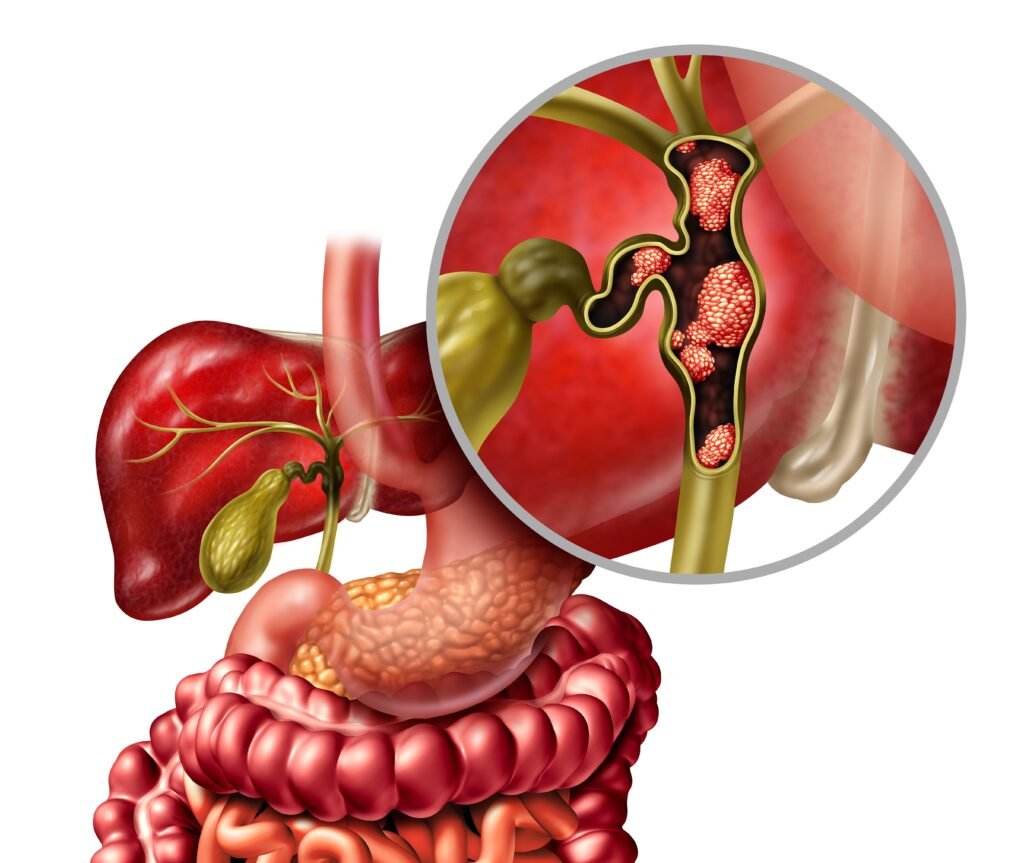
Common bile duct stones
Bile duct strictures or narrowing
Biliary inflammation
Cholangitis
Complications following gallbladder or bile duct surgery
Post-procedural bile duct injury
Structural abnormalities
Certain cystic conditions
Pancreatic or biliary lesions
Tumors causing biliary obstruction
A careful diagnostic process helps determine the most appropriate management strategy.
Step 6: Evaluation for Bile Duct Stones
Choledocholithiasis, or stones within the common bile duct, is an important cause of biliary obstruction.
A bile duct stone may cause abdominal pain, jaundice, abnormal liver tests, or infection. Some patients may have intermittent symptoms, while others can develop significant obstruction.
When a stone is suspected, imaging and laboratory investigations are used to assess its location and severity. In selected patients, endoscopic treatment may be required to remove the stone and restore normal bile drainage.
Step 7: Assessment of Bile Duct Strictures
A bile duct stricture is an abnormal narrowing of a bile duct. It can interfere with the normal movement of bile from the liver to the intestine.
Strictures may develop because of inflammation, previous surgery, previous endoscopic procedures, chronic disease, or other underlying conditions.
The evaluation focuses on determining the location, severity, and likely cause of the narrowing. Depending on the individual case, treatment may include endoscopic dilatation, stent placement, further diagnostic testing, or surgical consultation.
Step 8: ERCP for Diagnosis and Treatment
When direct access to the bile ducts is required, ERCP (Endoscopic Retrograde Cholangiopancreatography) may be recommended.
During ERCP, a flexible endoscope is carefully passed through the mouth and upper digestive tract until it reaches the opening of the bile duct in the small intestine. Contrast material may then be introduced into the bile duct so that the biliary system can be evaluated.
One of the major advantages of ERCP is that it can provide both diagnosis and treatment in appropriately selected cases.
Step 9: Endoscopic Management of Biliary Problems
When a treatable abnormality is identified during ERCP, therapeutic intervention may sometimes be performed during the same procedure.
Depending on the condition, treatment may include:
Removal of bile duct stones
Biliary sphincterotomy when indicated
Dilatation of selected strictures
Placement of a biliary stent
Bile duct drainage
Collection of tissue or fluid samples when clinically appropriate
Management of selected obstructive lesions
The exact procedure is selected according to the patient's diagnosis and clinical condition.
Step 10: Management of Biliary Obstruction
Biliary obstruction occurs when bile cannot flow normally through the bile ducts. If significant obstruction persists, bile can accumulate within the liver and lead to jaundice, abnormal liver tests, itching, infection, and liver-related complications.
Treatment is directed toward the underlying cause. When appropriate, endoscopic drainage, stone removal, stricture treatment, or stent placement may be used to restore bile flow.
In complex cases, additional multidisciplinary evaluation may be required.
Step 11: Management of Cholangitis
Cholangitis is an infection and inflammation of the bile ducts, often associated with impaired bile drainage or obstruction.
Symptoms can include fever, abdominal pain, jaundice, chills, and general weakness. Suspected acute cholangitis requires prompt medical assessment.
Treatment may involve appropriate antibiotics, intravenous fluids and supportive care, together with procedures to relieve biliary obstruction and establish adequate drainage when necessary.
Step 12: Management of Post-Surgical or Post-Procedural Problems
Bile duct abnormalities can occasionally occur after gallbladder surgery or other procedures involving the biliary system.
Patients may develop bile duct narrowing, leakage, obstruction, or other complications. Evaluation may require blood tests, ultrasound, MRCP, ERCP, or other investigations depending on the suspected problem.
Treatment is individualized and may include endoscopic intervention, stent placement, drainage, or referral for surgical management when required.
Step 13: Evaluation of Suspected Biliary Lesions
Some bile duct abnormalities may require further investigation to determine whether they are inflammatory, benign, or potentially malignant.
When clinically indicated, specialized imaging, endoscopic evaluation, tissue sampling, or multidisciplinary assessment may be recommended.
The purpose is to establish an accurate diagnosis before selecting an appropriate treatment plan.
Step 14: Restoring and Maintaining Bile Flow
An important objective of treatment is to restore adequate bile drainage whenever obstruction or narrowing is responsible for the patient's symptoms.
Depending on the cause, this may involve removing an obstruction, treating a stricture, placing a temporary or longer-term stent, or addressing the underlying disease.
Maintaining adequate bile flow can help reduce the risk of recurrent obstruction, infection, and progressive liver-related complications.
Step 15: Follow-Up and Monitoring
Follow-up is an important part of managing bile duct disorders, particularly after endoscopic or surgical treatment.
Monitoring may include:
Repeat liver function tests
Bilirubin assessment
Follow-up imaging
Assessment of symptoms
Monitoring for recurrent obstruction
Evaluation of stent-related issues when applicable
Repeat endoscopic procedures when clinically required
The frequency of follow-up depends on the underlying diagnosis and the treatment provided.
Conditions We Evaluate and Manage
Our gastroenterology approach may include assessment and management of:
Common bile duct stones
Bile duct obstruction
Bile duct strictures
Cholangitis
Biliary inflammation
Post-surgical bile duct complications
Post-procedural biliary problems
Selected structural bile duct abnormalities
Biliary drainage problems
Other disorders affecting normal bile flow
Symptoms That Should Not Be Ignored
Patients should seek medical evaluation if they experience persistent or unexplained:
Jaundice
Severe or recurrent upper abdominal pain
Fever with abdominal pain
Dark urine
Pale stools
Persistent itching
Recurrent nausea or vomiting
Abnormal liver function tests
Unexplained digestive symptoms associated with jaundice
Early assessment can help identify obstruction or infection before complications become more advanced.
Our Approach to Bile Duct Disorders
Our approach focuses on accurate diagnosis, identification of the underlying cause, appropriate restoration of bile flow, minimally invasive treatment when suitable, and continued follow-up.
Each patient is assessed individually based on their symptoms, blood test results, imaging findings, medical history, and overall health. When an advanced endoscopic procedure such as ERCP is appropriate, it may be incorporated into the treatment plan to address specific biliary problems.
The overall goal is to relieve symptoms, treat the underlying condition, maintain effective bile drainage, protect liver function, and reduce the risk of recurrent obstruction or complications.