Nutrition in Inflammatory Bowel Disease (IBD)
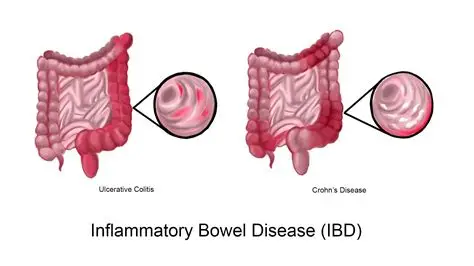
Nutrition is an important part of comprehensive care for patients with Inflammatory Bowel Disease (IBD), including Crohn’s Disease and Ulcerative Colitis. IBD can affect the digestive tract and may lead to symptoms such as abdominal pain, diarrhea, fatigue, reduced appetite, weight loss, and difficulty maintaining adequate nutritional intake.
During active disease, inflammation may affect digestion, appetite, nutrient absorption, and the body's nutritional requirements. Some patients may also develop deficiencies of essential vitamins and minerals. Individualized nutritional management can therefore play an important supportive role alongside appropriate medical treatment.
Step 1: Comprehensive Nutritional Assessment
The process begins with a detailed assessment of the patient's IBD history, current symptoms, medications, dietary habits, appetite, weight changes, bowel pattern, and previous nutritional problems.
The doctor evaluates how the disease is affecting food intake and whether symptoms such as diarrhea, abdominal pain, nausea, bloating, or early fullness are interfering with adequate nutrition.
Step 2: Assessment of Weight & Nutritional Status
Weight changes can provide important information about nutritional health. The doctor may assess current body weight, BMI, recent weight changes, appetite, dietary intake, and, when appropriate, muscle mass.
Unintentional weight loss, reduced muscle mass, poor appetite, or inadequate food intake may indicate nutritional risk and require closer monitoring.
Step 3: Evaluation for Nutritional Deficiencies
IBD patients may be at risk of deficiencies because of reduced dietary intake, intestinal inflammation, blood loss, or impaired absorption.
Depending on the patient's condition, the healthcare team may assess nutrients such as:
Iron
Vitamin B12
Folate
Vitamin D
Calcium
Magnesium
Zinc
Other relevant vitamins and minerals
If a clinically significant deficiency is identified, appropriate dietary measures or supplementation may be recommended under medical supervision.
Step 4: Nutrition During an IBD Flare
During an active flare, gastrointestinal symptoms may make it difficult for patients to eat normally. Diarrhea, abdominal pain, nausea, and reduced appetite can result in inadequate calorie and protein intake.
Dietary recommendations during a flare are individualized according to symptoms, disease location, severity, nutritional status, and individual food tolerance. The objective is to maintain adequate nutrition while avoiding unnecessary dietary restrictions.
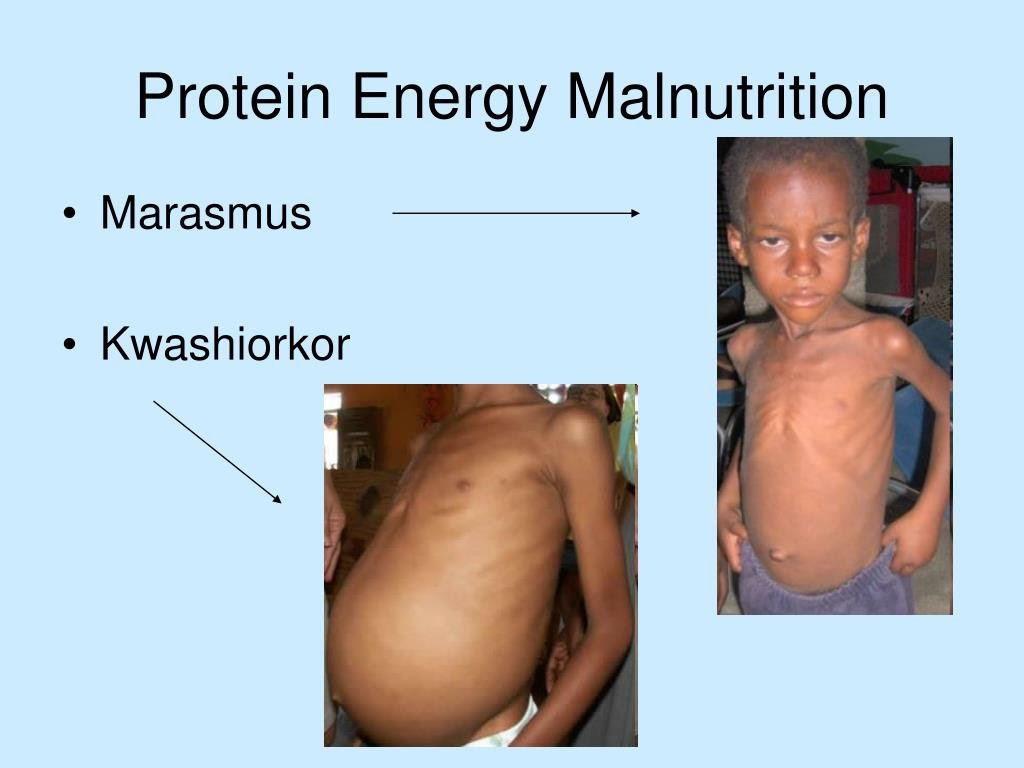
Step 5: Maintaining Adequate Protein & Energy Intake
Adequate calories and protein are important for maintaining strength, muscle mass, and nutritional status, particularly during active disease.
Patients may be guided toward suitable protein sources and nutrient-dense foods that are well tolerated. The nutritional plan is adjusted according to the patient's symptoms and overall medical condition.
Step 6: Fiber Management
Fiber requirements can vary considerably among patients with IBD. Some patients may tolerate a normal or higher-fiber diet when their disease is well controlled, while others may require temporary adjustments during certain periods of active symptoms or when specific complications are present.
Rather than eliminating fiber automatically, the type and amount are individualized according to the patient's disease activity, symptoms, and tolerance.
Step 7: Hydration & Electrolyte Management
Patients experiencing frequent diarrhea or vomiting may lose significant amounts of fluid and electrolytes. Maintaining appropriate hydration is therefore an important part of nutritional care.
Fluid and electrolyte requirements are assessed according to the patient's symptoms and clinical condition. Persistent or severe fluid loss may require medical evaluation and additional treatment.
Step 8: Identifying Individual Food Triggers
There is no single diet that eliminates IBD symptoms for every patient. Certain foods may worsen symptoms in some individuals but may be well tolerated by others.
Nutritional counseling can help patients identify personal food triggers while avoiding unnecessary elimination of nutritious foods. When foods are temporarily restricted, appropriate alternatives should be considered to maintain adequate nutritional intake.
Step 9: Nutrition in Crohn's Disease
Crohn's Disease can affect different parts of the gastrointestinal tract and may sometimes interfere with nutrient absorption.
Nutritional management may focus on maintaining adequate calories and protein, monitoring for deficiencies, managing symptoms, and adapting food choices according to the location and activity of the disease.
Patients with specific complications, such as strictures or significant malabsorption, may require more specialized nutritional management.
Step 10: Nutrition in Ulcerative Colitis
Ulcerative Colitis primarily affects the colon and may cause diarrhea, rectal bleeding, abdominal discomfort, and urgency during active disease.
Nutritional management focuses on maintaining adequate nutritional intake, hydration, protein, vitamins, and minerals while adapting the diet to the patient's symptoms and disease activity.
Dietary recommendations are individualized and used alongside appropriate medical treatment.
Step 11: Managing Iron & Vitamin Deficiencies
Iron deficiency can occur in IBD, particularly in patients with chronic intestinal blood loss or inadequate dietary intake. Other deficiencies, including vitamin B12, folate, vitamin D, and calcium deficiencies, may also occur depending on the patient's disease and treatment history.
Laboratory evaluation may be used to identify deficiencies, after which dietary changes or medically appropriate supplementation can be considered.
Step 12: Nutrition During Remission
Nutritional needs do not end when symptoms improve. During remission, the focus is generally on maintaining a balanced, varied, and nutritionally adequate diet.
Patients are encouraged to gradually maintain a healthy eating pattern that supports overall health while avoiding unnecessary long-term food restrictions.
Step 13: Monitoring for Malnutrition
Some patients with IBD may develop malnutrition despite having a normal or higher body weight. Nutritional assessment therefore looks beyond weight alone.
The healthcare team may monitor weight trends, muscle mass, dietary intake, symptoms, laboratory findings, and nutritional deficiencies to identify nutritional problems early.
Step 14: Nutrition Before or After Gastrointestinal Surgery
Some patients with Crohn's Disease or Ulcerative Colitis may require gastrointestinal surgery. Nutritional assessment before and after surgery can help identify deficiencies and support recovery.
Dietary recommendations following surgery depend on the type of procedure, recovery stage, bowel function, nutritional status, and individual medical requirements.
Step 15: Personalized Dietary Counseling
Because IBD affects patients differently, nutritional recommendations are individualized rather than based on a universal diet.
The nutrition plan may be adjusted according to disease activity, symptoms, medications, nutritional deficiencies, food tolerance, lifestyle, and personal dietary preferences.
Step 16: Regular Follow-Up & Nutritional Monitoring
Nutritional management is an ongoing part of IBD care. During follow-up visits, the patient's weight, appetite, bowel symptoms, dietary intake, nutritional deficiencies, and overall response can be reviewed.
The nutritional plan may be modified when the disease becomes active, enters remission, or when the patient's nutritional requirements change.
Who May Benefit from Nutritional Management in IBD?
Nutritional assessment and counseling may be particularly useful for patients experiencing:
Crohn's Disease
Ulcerative Colitis
Active IBD Flares
Unintentional Weight Loss
Poor Appetite
Chronic Diarrhea
Nutritional Deficiencies
Iron Deficiency
Vitamin or Mineral Deficiencies
Malnutrition or Muscle Loss
Increased Nutritional Requirements
Difficulty Maintaining Adequate Food Intake
Our Approach to Nutrition in IBD
Our approach combines medical assessment, individualized nutritional counseling, symptom-based dietary guidance, nutritional deficiency management, and regular follow-up.
The goal is to help patients maintain adequate calories, protein, vitamins, minerals, and hydration while supporting overall nutritional health throughout the course of IBD.
Nutritional management is an important supportive component of comprehensive IBD care and works alongside appropriate medical treatment. The dietary plan is individualized to the patient's condition, symptoms, nutritional status, and treatment goals, with the aim of promoting sustainable and balanced nutrition throughout both active disease and remission.