
Comprehensive Women’s Health: A Complete Guide to Every Stage of Life
Introduction
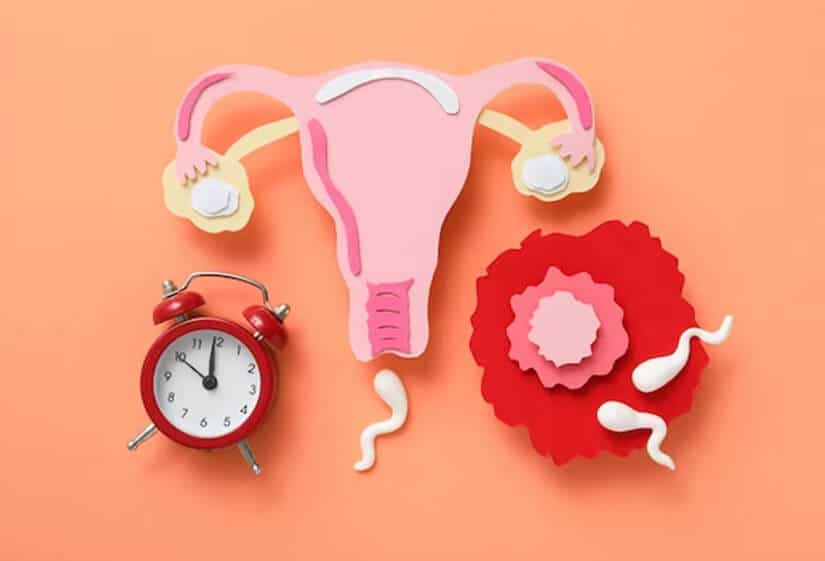
Comprehensive women’s health focuses on the physical, reproductive, hormonal, and emotional well-being of women throughout every stage of life. From puberty and menstrual health to pregnancy, childbirth, and menopause, women may experience different health concerns that require appropriate medical attention, preventive care, and professional guidance.
Regular gynecological checkups help identify potential health problems early, support reproductive health, and promote long-term wellness. Understanding common women's health conditions and recognizing their symptoms can help women make informed decisions about their health and seek medical care when needed.
Step 1: Understanding Women's Health
Women's health includes general physical well-being, reproductive health, hormonal balance, and preventive healthcare. Every woman has unique health needs depending on her age, medical history, lifestyle, and stage of life.
A comprehensive approach includes routine medical assessments, appropriate screening tests, nutritional guidance, and early evaluation of unusual symptoms. A gynecologist can help identify health concerns and recommend suitable care based on individual needs.
Step 2: Menstrual Health and Period Disorders
Menstrual health is an important part of women's reproductive well-being. Periods may vary from person to person, but significant changes in menstrual patterns can sometimes indicate an underlying condition.
Common menstrual concerns include:
Irregular or missed periods
Heavy menstrual bleeding
Painful periods and severe cramps
Premenstrual syndrome (PMS)
Unusual bleeding between periods
Conditions such as hormonal imbalances, thyroid disorders, and polycystic ovary syndrome (PCOS) may affect the menstrual cycle. A gynecological evaluation can help determine the possible cause and guide appropriate treatment.
Step 3: Hormonal Health and PCOS
Hormones influence menstruation, fertility, metabolism, bone health, and many other body functions. Hormonal changes can occur during puberty, pregnancy, after childbirth, and menopause.
Polycystic ovary syndrome (PCOS) is a common hormonal condition that may cause irregular periods, acne, excess facial hair, and difficulties with ovulation. Not every woman experiences the same symptoms.
Depending on the individual's symptoms and health goals, management may include lifestyle changes, medication, and ongoing monitoring under medical supervision.
Step 4: Pregnancy Planning and Prenatal Care
Preconception care helps women prepare for a healthy pregnancy. It may include reviewing medical history, assessing existing health conditions, discussing medications, and recommending appropriate supplements such as folic acid.
Once pregnancy begins, regular antenatal visits help monitor the health of both mother and baby. Prenatal care may include:
Monitoring blood pressure and maternal health
Assessing fetal growth and development
Recommended blood tests and ultrasound examinations
Screening for gestational diabetes when appropriate
Nutritional advice and pregnancy-related counseling
Identifying potential pregnancy complications
Early and consistent prenatal care supports the timely identification and management of potential risks.
Step 5: High-Risk Pregnancy Management
Some pregnancies require additional monitoring because of pre-existing medical conditions or complications that develop during pregnancy.
Factors that may require closer medical supervision include high blood pressure, diabetes, multiple pregnancy, previous pregnancy complications, or certain maternal health conditions.
Warning signs such as severe headache, visual disturbances, heavy vaginal bleeding, severe abdominal pain, or reduced fetal movement later in pregnancy require prompt medical assessment. Heavy bleeding, severe pain, or other serious symptoms may require emergency care.
The care plan should be individualized according to the mother's medical history and pregnancy progress.
Step 6: Fertility and Reproductive Health
Fertility concerns can affect women for several reasons, including ovulation disorders, PCOS, endometriosis, age-related changes, or problems involving the fallopian tubes.
A fertility evaluation may involve reviewing menstrual history, assessing ovulation, performing selected blood tests, and using ultrasound or other investigations when indicated.
Women who have difficulty conceiving should seek professional advice at an appropriate time. Evaluation is generally recommended after 12 months of trying to conceive for women under 35, after 6 months for women aged 35 or older, and earlier when known fertility problems or other risk factors are present.
Treatment depends on the underlying cause and may include medication, lifestyle modifications, surgery in selected cases, or referral for assisted reproductive techniques.
Step 7: Common Gynecological Conditions
Several conditions can affect the uterus, ovaries, cervix, vagina, and other parts of the reproductive system.
Common gynecological conditions include:
Uterine fibroids
Ovarian cysts
Endometriosis
Adenomyosis
Pelvic inflammatory disease (PID)
Vaginal and cervical infections
Abnormal uterine bleeding
Pelvic organ prolapse
Symptoms may include pelvic pain, heavy periods, unusual vaginal discharge, discomfort during intercourse, or changes in menstrual patterns. Some conditions may cause few or no symptoms and can be identified during appropriate examinations or investigations.
Early assessment can help guide treatment and reduce the risk of complications.
Step 8: Intimate Health and Vaginal Infections
Vaginal itching, irritation, unusual discharge, unpleasant odor, or discomfort may occur because of infections, changes in vaginal flora, hormonal changes, or other medical conditions.
Different causes require different treatments, so self-diagnosis and unnecessary use of antibiotics or antifungal medications should be avoided.
A gynecologist may recommend an examination or appropriate testing to identify the cause and provide targeted treatment. Maintaining gentle intimate hygiene and avoiding irritating products can also support vaginal health.
Step 9: Preventive Screening and Cervical Health
Preventive gynecological care is essential even when a woman feels healthy. Screening tests can help identify certain health problems before symptoms develop.
Depending on age, medical history, local recommendations, and individual risk factors, preventive care may include:
Cervical cancer screening using HPV testing, Pap testing, or both as appropriate
HPV vaccination according to recommended eligibility
Evaluation of persistent or unusual vaginal bleeding
Assessment of breast changes and appropriate breast screening
Testing for sexually transmitted infections when indicated
Routine ovarian cancer screening is not recommended for all average-risk women without symptoms. Instead, concerning symptoms and individual risk factors should be assessed by a healthcare professional.
Step 10: Family Planning and Contraception
Family planning allows individuals and couples to make informed decisions about whether and when to have children.
Contraceptive options may include oral contraceptive pills, condoms, intrauterine devices (IUDs), implants, injections, and other suitable methods.
The choice depends on medical history, personal preferences, effectiveness, possible side effects, and future pregnancy plans. A healthcare professional can explain the advantages and limitations of available methods and help select an appropriate option.
Step 11: Menopause and Midlife Women's Health
Menopause is a natural stage of life that usually occurs between the ages of 45 and 55. During the menopausal transition, hormonal changes may cause irregular periods, hot flashes, night sweats, sleep disturbances, mood changes, and vaginal dryness.
Long-term health considerations may include bone loss and changes in cardiovascular risk.
Management may involve lifestyle adjustments, treatment for specific symptoms, and hormone therapy for selected women after a careful assessment of benefits and risks. Any bleeding after menopause should be evaluated promptly by a healthcare professional.
Step 12: Nutrition, Exercise, and Healthy Lifestyle
Healthy daily habits support overall well-being and may reduce the risk of certain health problems.
Important lifestyle measures include:
Eating a balanced diet with vegetables, fruits, whole grains, and appropriate protein sources
Maintaining adequate calcium and vitamin D intake
Engaging in regular physical activity
Getting sufficient sleep
Maintaining a healthy weight where possible
Avoiding smoking and tobacco products
Managing stress and supporting emotional well-being
Attending recommended medical checkups
Nutritional supplements should be used according to individual needs and professional advice, particularly during pregnancy and menopause.
Step 13: When Should You Consult a Gynecologist?
Women should seek gynecological advice for persistent or concerning symptoms, including:
Repeatedly irregular or unusually heavy periods
Severe menstrual or pelvic pain
Unusual vaginal discharge, itching, or irritation
Difficulty conceiving
Bleeding after menopause
Breast lumps or unexplained breast changes
Menopausal symptoms affecting daily life
Pregnancy-related concerns or unusual symptoms
Severe abdominal pain, heavy bleeding, fainting, or serious symptoms during pregnancy require urgent medical assessment.
Step 14: The Importance of Regular Gynecological Checkups
Regular women's health visits provide an opportunity to discuss menstrual concerns, reproductive plans, contraception, preventive screening, and changes associated with aging.
The frequency and type of examination or testing should be based on the woman's age, symptoms, medical history, risk factors, and current screening recommendations. Not every woman requires the same tests at every visit.
Open communication with a qualified gynecologist can help women understand their health, address concerns early, and make informed decisions about their care.
Conclusion
Comprehensive women's health involves much more than treating individual symptoms. It includes preventive care, menstrual and hormonal health, pregnancy support, fertility assessment, management of gynecological conditions, and healthy aging.
By understanding their bodies, attending appropriate medical checkups, and seeking professional advice when symptoms arise, women can take proactive steps toward better long-term health and well-being.
Professional Women's Healthcare: Consult a qualified gynecologist for individualized assessment, accurate diagnosis, preventive screening, and treatment recommendations tailored to your health needs.