Menstrual Disorders and Irregular Periods: Causes, Symptoms, Diagnosis, and Treatment
Introduction
Menstrual health is an essential part of a woman's overall well-being. A regular menstrual cycle is influenced by hormones, reproductive health, age, and general medical conditions. However, many women experience menstrual disorders, including irregular periods, heavy menstrual bleeding, missed periods, painful cramps, or unexpected bleeding between cycles.
While occasional changes in the menstrual cycle can occur naturally, persistent or significant changes may indicate an underlying health condition that requires medical evaluation. Understanding the causes, recognizing the warning signs, and seeking timely gynecological care can help women protect their reproductive health and improve their quality of life.
Step 1: Understanding the Menstrual Cycle
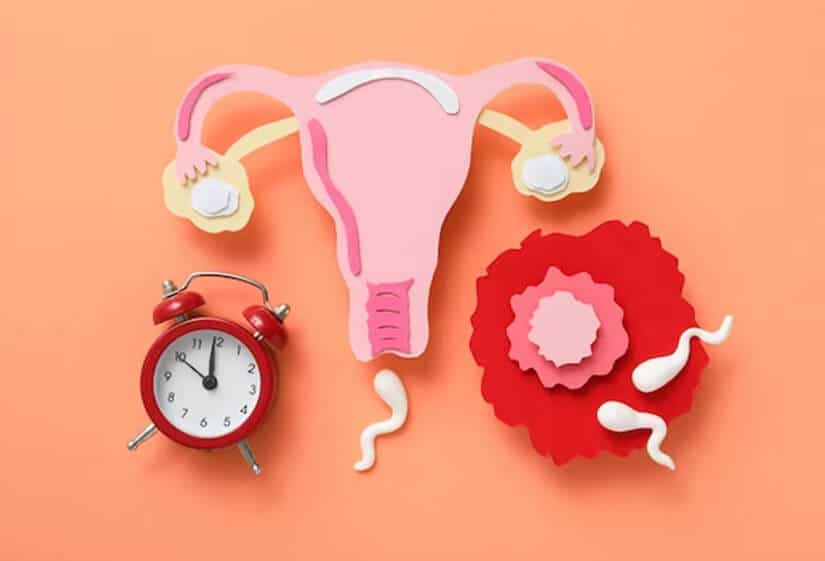
The menstrual cycle is a natural process in which the body prepares for a possible pregnancy. It involves hormonal changes that regulate the ovaries and the lining of the uterus.
A typical menstrual cycle is approximately 21 to 35 days in adults, although individual patterns can vary. Menstrual bleeding commonly lasts between two and seven days.
Changes in cycle length, bleeding duration, or flow may occur during puberty, after pregnancy, while breastfeeding, and during the transition to menopause. However, repeated or unusual changes should be assessed by a qualified gynecologist.
Step 2: What Are Menstrual Disorders?
Menstrual disorders are conditions that affect the timing, duration, regularity, or amount of menstrual bleeding. They can occur because of hormonal imbalances, reproductive system conditions, certain medications, or other medical problems.
Common menstrual disorders include:
Irregular Periods: Menstrual cycles that occur unpredictably or vary significantly in length.
Heavy Menstrual Bleeding: Bleeding that is unusually heavy, prolonged, or interferes with daily activities.
Absent Periods (Amenorrhea): Missing menstrual periods when they would normally be expected.
Painful Periods (Dysmenorrhea): Menstrual cramps that cause significant discomfort or interfere with everyday life.
Frequent Periods: Menstrual bleeding that occurs more often than expected.
Bleeding Between Periods: Vaginal bleeding or spotting outside the usual menstrual period.
Identifying the specific pattern of bleeding helps the gynecologist determine which investigations or treatments may be appropriate.
Step 3: Common Causes of Irregular Periods
Irregular periods can develop for several reasons. The underlying cause may differ depending on age, medical history, lifestyle, and reproductive health.
Common causes include:
1. Hormonal Imbalance
Changes in estrogen, progesterone, and other hormones can interfere with ovulation and affect the menstrual cycle.
2. Polycystic Ovary Syndrome (PCOS)
PCOS can affect ovulation and cause irregular periods, acne, excess facial hair, and difficulties with fertility in some women.
3. Thyroid Disorders
An underactive or overactive thyroid gland may influence menstrual regularity and bleeding patterns.
4. Stress and Lifestyle Changes
Significant stress, rapid weight changes, excessive exercise, inadequate nutrition, and disrupted sleep may affect the hormones responsible for menstruation.
5. Pregnancy and Breastfeeding
Missed periods may be an early sign of pregnancy. Menstrual cycles can also change during breastfeeding and after childbirth.
6. Uterine Fibroids and Polyps
These growths can contribute to heavy bleeding, prolonged periods, or bleeding between periods.
7. Perimenopause
Hormonal changes leading up to menopause can cause irregular cycles, changes in bleeding, and other symptoms.
8. Certain Medications and Contraceptives
Hormonal contraception and some medications may change menstrual timing or bleeding patterns.
A gynecological assessment can help distinguish temporary changes from conditions that require specific treatment.
Step 4: Symptoms That Should Not Be Ignored
Menstrual symptoms vary from person to person, but certain changes deserve medical attention.
These include:
Repeatedly irregular or missed periods
Very heavy or prolonged menstrual bleeding
Severe menstrual cramps or persistent pelvic pain
Bleeding between periods or after sexual intercourse
Periods accompanied by dizziness, weakness, or unusual fatigue
Menstrual changes associated with excessive facial hair or persistent acne
Difficulty becoming pregnant
Any vaginal bleeding after menopause
Heavy bleeding accompanied by fainting, severe dizziness, difficulty breathing, or severe pain requires urgent medical assessment. If pregnancy is possible, bleeding accompanied by severe abdominal pain, shoulder pain, or fainting may indicate an ectopic pregnancy and requires emergency care.
Step 5: How Are Menstrual Disorders Diagnosed?
Accurate diagnosis is important because several different conditions can cause similar menstrual symptoms.
A gynecologist may recommend the following steps, depending on the individual's symptoms and medical history.
1. Medical History
The doctor may ask about the timing and duration of periods, bleeding volume, pain, medications, previous pregnancies, and family or medical history.
2. Menstrual Cycle Tracking
Recording the first day of each period, the duration of bleeding, and associated symptoms can help identify patterns.
3. Physical and Gynecological Examination
An examination may be recommended when clinically appropriate, depending on the patient's age, symptoms, and circumstances.
4. Blood Tests
Selected tests may assess pregnancy, anemia, thyroid function, or hormonal conditions when indicated.
5. Pelvic Ultrasound
Ultrasound may help identify uterine fibroids, ovarian cysts, endometrial abnormalities, or other structural causes of abnormal bleeding.
6. Additional Investigations
In selected cases, the doctor may recommend further testing, such as hysteroscopy or endometrial sampling, depending on age, risk factors, and symptoms.
Not every patient needs every test. Investigations should be tailored to the suspected cause.
Step 6: Treatment Options for Menstrual Disorders
Treatment depends on the underlying cause, the severity of symptoms, the patient's age, medical history, and whether she wishes to become pregnant.
Possible treatment approaches include:
1. Lifestyle Modifications
Maintaining balanced nutrition, regular physical activity, adequate sleep, and healthy stress-management habits may help support menstrual health.
2. Medication for Menstrual Pain
Appropriate pain-relieving medicines may help reduce menstrual cramps. A healthcare professional can advise which options are safe for an individual patient.
3. Hormonal Treatment
Hormonal contraceptives or other prescribed hormonal medicines may help regulate bleeding or manage certain menstrual conditions.
4. Treatment for Underlying Conditions
Conditions such as PCOS, thyroid disorders, or other hormonal problems may require specific management.
5. Management of Heavy Bleeding
Depending on the cause, treatments may include prescribed medicines to reduce bleeding, hormonal options, or iron supplementation when iron deficiency is present.
6. Surgical Treatment
Some patients with uterine fibroids, polyps, or other structural abnormalities may benefit from a procedure or surgery when clinically appropriate.
Treatment should always be based on an appropriate diagnosis. Women should avoid taking hormonal medicines or attempting to induce periods without professional guidance.
Step 7: How to Support Healthy Menstrual Cycles
Healthy habits can contribute to overall reproductive well-being and help women recognize changes in their cycles.
Recommended measures include:
Track menstrual dates, duration, and symptoms.
Eat a balanced diet containing iron-rich foods and essential nutrients.
Maintain regular physical activity without excessive exercise.
Avoid sudden or extreme weight-loss practices.
Prioritize sleep and stress management.
Seek medical advice for persistent changes in menstrual patterns.
Attend recommended gynecological checkups.
These measures can support general health but do not replace medical evaluation when menstrual disorders persist.
Step 8: When Should You Consult a Gynecologist?
Women should consider consulting a gynecologist if their periods become persistently irregular, bleeding becomes unusually heavy, menstrual pain interferes with daily activities, or bleeding occurs between periods.
Medical assessment is also important when periods stop unexpectedly, pregnancy is suspected, or menstrual changes are accompanied by symptoms such as unusual fatigue, pelvic pain, or signs of hormonal imbalance.
Early evaluation can help identify treatable conditions and prevent unnecessary discomfort or complications.
Conclusion
Menstrual disorders and irregular periods are common concerns that can affect women at different stages of life. Although some menstrual changes are temporary, persistent irregularity, heavy bleeding, severe pain, or unexpected bleeding should not be overlooked.
Understanding the menstrual cycle, recognizing warning signs, and seeking timely medical advice are important steps toward maintaining reproductive health. With an accurate diagnosis and an individualized treatment plan, many menstrual disorders can be effectively managed.
Professional Gynecological Care: Consult a qualified gynecologist for personalized evaluation, appropriate diagnostic testing, and treatment options based on your menstrual symptoms and overall health.