Appendicitis: Causes, Symptoms, Diagnosis, Treatment, and Recovery
Introduction to Appendicitis
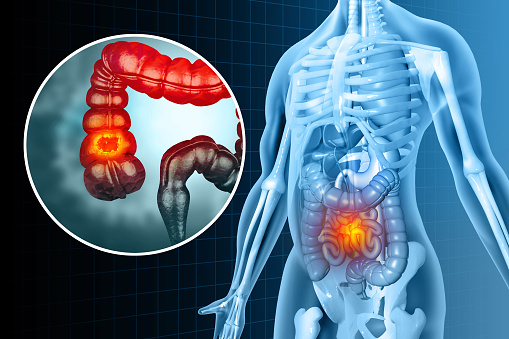
Appendicitis is a medical condition characterized by inflammation of the appendix, a small, finger-shaped pouch attached to the large intestine in the lower-right area of the abdomen. It can develop suddenly and may become serious if not diagnosed and treated promptly.
The appendix is part of the gastrointestinal system, but its exact function is not fully understood. When the appendix becomes inflamed, patients may experience abdominal pain, nausea, vomiting, loss of appetite, and fever. Symptoms can begin mildly and become progressively worse over several hours.
Appendicitis requires prompt medical assessment because an inflamed appendix can sometimes rupture, allowing infected material to spread into the abdominal cavity. This may cause peritonitis, an abscess, or other serious complications.
Early diagnosis, appropriate treatment, and careful follow-up are important for preventing complications and supporting recovery. Depending on the severity of the condition, treatment may involve surgical removal of the appendix, antibiotics in selected cases, or specialized management of complications.
1. What Is Appendicitis?
Appendicitis occurs when the appendix becomes inflamed. In many cases, the condition is associated with blockage of the appendix, which can lead to increased pressure, inflammation, and bacterial infection.
The condition can affect people of different ages, although it is particularly common among children, teenagers, and young adults. However, appendicitis can also occur in older adults, where symptoms may sometimes be less typical.
Appendicitis is generally classified into uncomplicated and complicated forms.
Uncomplicated Appendicitis: Inflammation is present without evidence of rupture, an abscess, or widespread abdominal infection.
Complicated Appendicitis: The condition has progressed to include complications such as perforation, an abscess, or infection involving the abdominal cavity.
Identifying the severity of appendicitis helps doctors determine the safest and most appropriate treatment.
2. Causes and Risk Factors of Appendicitis
Appendicitis often develops when the opening of the appendix becomes blocked. The blockage may interfere with normal drainage and contribute to inflammation and infection.
Possible causes and contributing factors include:
Hardened Stool: A small, hardened piece of stool may obstruct the opening of the appendix.
Swelling of Lymphoid Tissue: Enlargement of immune tissue within the appendix may occur following certain infections.
Intestinal Inflammation: Inflammatory processes may contribute to obstruction in some cases.
Other Obstructions: Less commonly, growths or other abnormalities may block the appendix.
In many patients, the precise cause cannot be determined. Appendicitis is not generally caused by one specific food, and it cannot always be prevented through dietary changes or lifestyle measures.
3. Common Symptoms of Appendicitis
Recognizing the symptoms of appendicitis is important because the condition may progress quickly.
Abdominal Pain
Pain often begins near the belly button and gradually moves to the lower-right side of the abdomen. It may become more intense with walking, coughing, or movement. However, not every patient experiences this typical pattern.
Loss of Appetite
A reduced desire to eat is common and may develop alongside abdominal discomfort.
Nausea and Vomiting
Patients may feel nauseated or vomit, particularly after abdominal pain begins.
Fever
A mild fever may develop as inflammation progresses. A high fever or a generally worsening condition may indicate a more serious infection.
Changes in Bowel Habits
Some patients experience constipation, diarrhea, or difficulty passing gas.
Abdominal Tenderness and Swelling
The abdomen may become tender to touch. Swelling or significant abdominal rigidity can be concerning, particularly when accompanied by severe pain.
Symptoms may differ in children, older adults, and pregnant patients. Other medical conditions can also cause similar symptoms, so professional evaluation is necessary.
Important: Severe or worsening abdominal pain, especially pain in the lower-right abdomen, requires urgent medical assessment. Do not delay seeking care while waiting for every symptom to appear.
4. When Should You Seek Emergency Medical Care?
Appendicitis can become dangerous if treatment is delayed. Patients should seek urgent assessment when abdominal pain is persistent, worsening, or accompanied by other concerning symptoms.
Seek emergency medical attention for:
Severe or worsening abdominal pain.
Pain that moves from around the belly button to the lower-right abdomen.
Abdominal pain accompanied by fever, nausea, or vomiting.
Significant abdominal tenderness or difficulty moving because of pain.
A swollen abdomen, persistent vomiting, faintness, or marked weakness.
A sudden change or temporary reduction in pain does not reliably mean that the condition has improved. In some cases, rupture may be followed by more widespread abdominal pain and deterioration.
If appendicitis is suspected, visit an emergency department promptly. Do not attempt to diagnose or treat the condition at home.
5. How Is Appendicitis Diagnosed?
Diagnosing appendicitis involves assessing the patient's symptoms, performing a physical examination, and using laboratory tests or imaging when appropriate.
Step 1: Medical History
The doctor asks about the onset, location, and progression of abdominal pain, along with nausea, vomiting, fever, bowel changes, previous illnesses, and current medications.
Step 2: Physical Examination
The doctor examines the abdomen for tenderness, guarding, and other signs that may indicate inflammation. The examination findings are interpreted alongside the patient's overall condition.
Step 3: Blood Tests
Blood tests may help identify signs of inflammation or infection. However, normal blood results do not always exclude appendicitis.
Step 4: Urine Testing
Urine testing may help distinguish appendicitis from urinary tract infections, kidney stones, and other conditions that can cause abdominal pain.
Step 5: Imaging Studies
An ultrasound, CT scan, or MRI may be recommended according to the patient's age, symptoms, pregnancy status, and clinical findings. Imaging can help confirm appendicitis and identify complications such as an abscess.
Step 6: Clinical Assessment and Treatment Planning
The medical team combines the examination and investigation results to determine whether appendicitis is likely and whether urgent surgery or another treatment approach is required.
6. Treatment Options for Appendicitis
Treatment depends on the severity of inflammation, whether the appendix has ruptured, and the patient's overall health.
A. Appendectomy: Surgical Removal of the Appendix
Appendectomy is the standard treatment for many cases of acute appendicitis. The procedure involves removing the inflamed appendix to prevent progression and complications.
B. Laparoscopic Appendectomy
Laparoscopic surgery uses a camera and specialized instruments inserted through small abdominal incisions. When appropriate, this minimally invasive approach may offer less postoperative pain, smaller wounds, and a quicker recovery than open surgery.
C. Open Appendectomy
Open surgery involves removing the appendix through an abdominal incision. It may be required depending on the severity of the condition, the presence of complications, the patient's circumstances, or the surgeon's assessment.
D. Antibiotic Treatment
Antibiotics are commonly used around the time of surgery and are essential in managing infection when indicated. In carefully selected patients with uncomplicated appendicitis, antibiotics alone may be considered as an alternative to immediate surgery after a discussion of the benefits, risks, and possibility of recurrence or later surgery.
E. Treatment of an Appendiceal Abscess
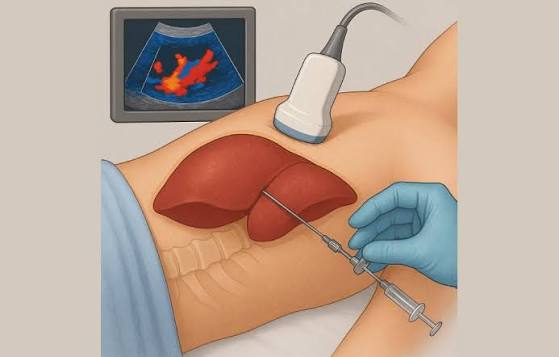
If an abscess develops around the appendix, treatment may involve antibiotics and, in selected cases, image-guided drainage. Surgery or additional treatment may be necessary depending on the patient's condition.
A qualified medical and surgical team should determine the appropriate treatment plan.
7. Can a Gastroenterologist Treat Appendicitis?
A gastroenterologist specializes in diseases of the digestive system, including the esophagus, stomach, intestines, liver, and pancreas. A gastroenterologist may evaluate abdominal symptoms and help identify whether they could be related to a gastrointestinal condition.
However, suspected acute appendicitis requires urgent assessment, usually in an emergency department. A general surgeon typically manages confirmed appendicitis and determines whether an appendectomy or other surgical treatment is necessary.
Gastroenterology consultation may be helpful when investigating alternative causes of abdominal pain, but it should not delay emergency or surgical evaluation.
8. Possible Complications of Untreated Appendicitis
Without appropriate treatment, appendicitis may progress and cause serious complications.
Appendiceal Perforation: The inflamed appendix may develop a hole or rupture, allowing infected material to escape.
Peritonitis: Infection and inflammation may spread throughout the lining of the abdominal cavity. This is a serious condition that requires urgent treatment.
Appendiceal Abscess: A collection of pus may form around the appendix, sometimes requiring antibiotics and drainage.
Sepsis: In severe cases, the infection can trigger a dangerous response throughout the body that requires emergency hospital treatment.
Prolonged Recovery: Complicated appendicitis may require longer hospitalization, additional procedures, and a more extended recovery period.
Prompt medical evaluation and appropriate treatment help reduce the risk of these complications.
9. Recovery After Appendicitis Treatment
Recovery varies depending on the severity of appendicitis, the type of surgery performed, and whether complications developed.
After an uncomplicated laparoscopic appendectomy, many patients return to light daily activities within days, although full recovery may take longer. Recovery after open surgery or complicated appendicitis can take several weeks or more.
General recovery recommendations include:
Follow the surgeon's instructions regarding wound care.
Take prescribed medications according to medical advice.
Resume eating and drinking as recommended.
Gradually increase physical activity as recovery progresses.
Avoid heavy lifting and strenuous exercise until cleared by the surgeon.
Attend recommended follow-up appointments.
Seek medical attention for fever, worsening abdominal pain, persistent vomiting, or redness or discharge from the surgical wound.
Patients recovering from perforated appendicitis or an abscess may require additional monitoring and treatment.
10. Can Appendicitis Be Prevented?
There is no guaranteed method of preventing appendicitis. It may occur in people with otherwise healthy lifestyles and without identifiable risk factors.
The most important steps are recognizing warning signs, seeking medical attention early, and following appropriate treatment recommendations. Persistent or severe abdominal pain should not be ignored or managed solely with home remedies.
11. Appendicitis in Children, Older Adults, and Pregnant Patients
Appendicitis may present differently in certain groups, making early assessment particularly important.
Children: Younger children may have difficulty describing the location or severity of their pain. Vomiting, irritability, reduced appetite, and abdominal discomfort may be prominent.
Older Adults: Symptoms may be less typical or less pronounced, potentially delaying diagnosis. New or worsening abdominal pain should be evaluated promptly.
Pregnant Patients: The location and pattern of abdominal pain may differ during pregnancy. Medical assessment and appropriate imaging are important for distinguishing appendicitis from other pregnancy-related conditions.
In all these groups, timely evaluation helps reduce the risk of complications.
Conclusion: Early Diagnosis and Timely Treatment Matter
Appendicitis is a potentially serious condition that requires prompt medical evaluation. Recognizing symptoms such as worsening abdominal pain, nausea, vomiting, loss of appetite, and fever can help patients seek care before complications develop.
Diagnosis may involve a physical examination, blood and urine tests, and imaging studies. Treatment can include appendectomy, antibiotics in selected cases, or specialized management when an abscess or other complication is present.
Although gastroenterologists may help evaluate digestive symptoms, acute appendicitis typically requires emergency assessment and management by a general surgeon.
If you or a family member experiences severe or worsening abdominal pain, seek urgent medical care rather than waiting for a routine clinic consultation.
Medical Disclaimer: This article is intended for educational purposes only and does not replace professional medical advice, diagnosis, or treatment. Treatment decisions must be made by a qualified healthcare professional after an appropriate clinical assessment.
BEST GASTROENTEROLOGIST IN KARACHI
Dr. Ajeet Kumar Lohana
Consultant Gastroenterologist | Hepatologist | Interventional Endoscopist
Clinic Details: Dr. AK Lohana Clinic & Endoscopy Services – Hilal-e-Ahmar Hospital, Clifton, Karachi
Doctor Profile: View Dr. Ajeet Kumar Lohana's Profile
Online Consultation: Video consultation available for patients who cannot visit the clinic in person.
Book an Appointment: Book a Consultation Online
Call / WhatsApp: 0334-3646307
For gastrointestinal concerns, consult a qualified specialist for appropriate evaluation and guidance. Suspected acute appendicitis requires urgent emergency assessment and may need treatment by a general surgeon.