Colorectal Cancer Screening: Importance, Screening Methods, Preparation, and Early Detection
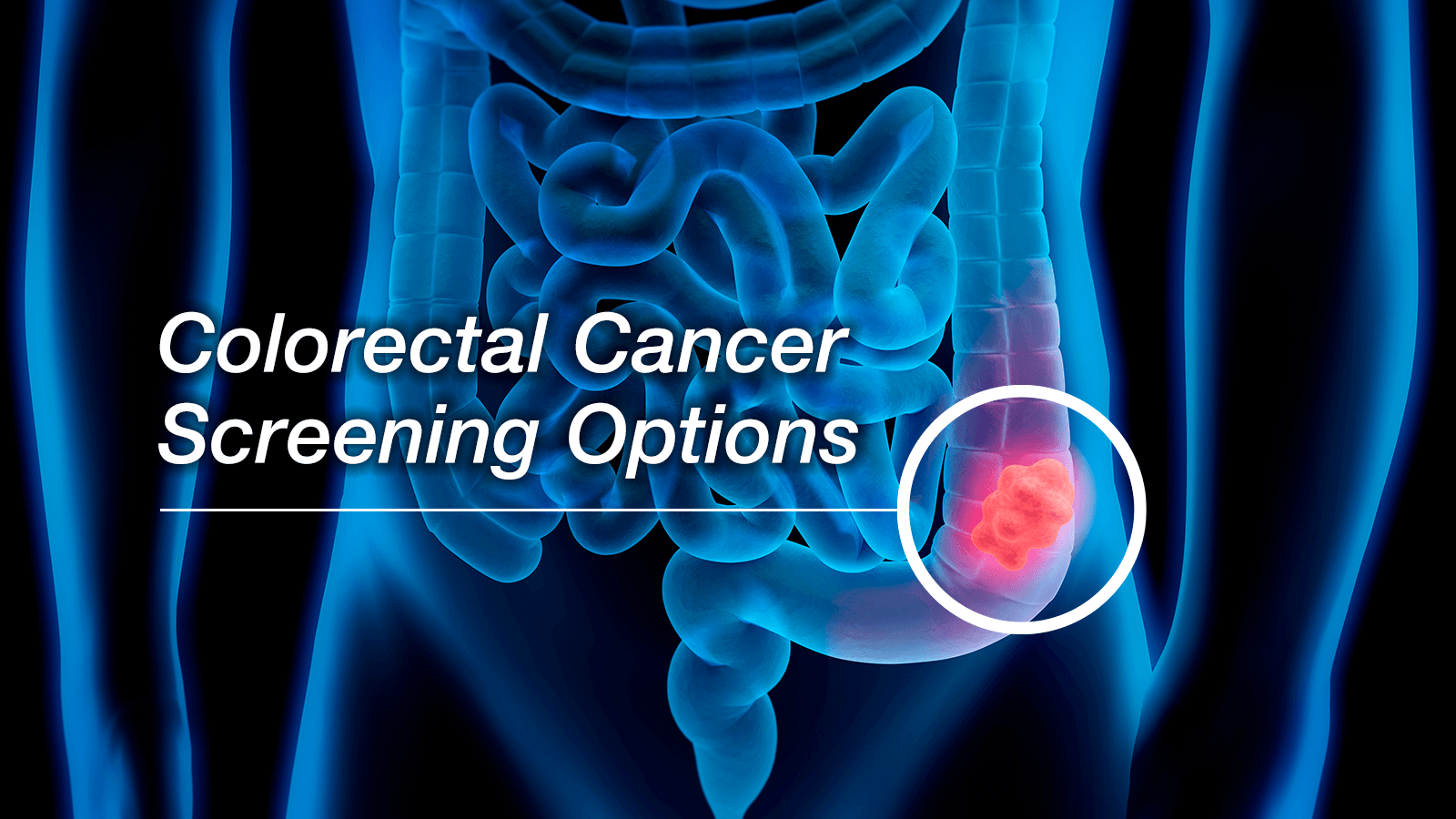
Colorectal Cancer Screening is an important preventive healthcare service designed to detect colorectal cancer at an early stage or identify precancerous growths before they develop into cancer. Colorectal cancer affects the colon and rectum, and screening can help identify abnormalities even before symptoms appear.
For people at average risk, current American Cancer Society guidance recommends beginning regular colorectal cancer screening at age 45, with screening generally continuing through age 75 for people in good health and with a life expectancy of more than 10 years. For adults aged 76–85, screening decisions should be individualized based on overall health, life expectancy, previous screening history, and patient preferences.
Screening is especially important because colorectal cancer may develop silently for years. Detecting and removing certain precancerous polyps can help prevent colorectal cancer, while finding cancer at an earlier stage can provide more opportunities for effective treatment.
Step 1: Understanding Colorectal Cancer
The colon and rectum form the lower part of the digestive system and are collectively referred to as the colorectum.
Colorectal cancer usually begins with abnormal growths in the lining of the colon or rectum. Some of these growths are called polyps. Certain types of polyps can gradually develop into cancer over time.
The progression may occur as:
Normal intestinal lining → Abnormal polyp → Precancerous changes → Colorectal cancer
Not every polyp becomes cancerous, but identifying and removing appropriate precancerous polyps is one of the important benefits of colorectal cancer screening.
Step 2: Why Colorectal Cancer Screening Is Important
A major advantage of screening is that it can identify disease before symptoms develop.
Screening can help:
Detect colorectal cancer at an earlier stage
Identify precancerous polyps
Allow appropriate polyps to be removed
Reduce the risk of developing colorectal cancer
Provide earlier access to appropriate treatment
Identify abnormalities in people who may otherwise feel completely healthy
Current screening recommendations emphasize offering screening to average-risk adults beginning at age 45.
Step 3: Understanding Who Should Be Screened
Screening recommendations differ according to a person's individual risk.
Average-Risk Adults
For adults at average risk, the American Cancer Society recommends starting regular screening at age 45. People aged 45–75 generally remain candidates for regular screening, while the decision for adults aged 76–85 should be individualized.
Average-risk screening recommendations apply to people who do not have a personal history of colorectal cancer or certain high-risk conditions.
People at Increased Risk
Some individuals may need screening earlier or more frequently because of factors such as:
A personal history of colorectal cancer
Previous adenomatous or other significant polyps
A family history of colorectal cancer
Inflammatory bowel disease, including Crohn's disease or ulcerative colitis
Certain inherited conditions such as Lynch syndrome or familial adenomatous polyposis
People with these risk factors should discuss an individualized screening plan with their healthcare provider rather than relying on average-risk screening intervals.
Step 4: Recognizing Risk Factors
Age is an important risk factor for colorectal cancer, but it is not the only one.
Other factors associated with increased risk may include:
Family history of colorectal cancer
Certain hereditary genetic syndromes
Previous colorectal polyps
Inflammatory bowel disease
Obesity
Diabetes
Smoking
Unhealthy alcohol use
Certain dietary and lifestyle patterns
The presence of one or more risk factors does not mean that a person has cancer. It means that individualized assessment and appropriate screening may be particularly important.
Step 5: Understanding Symptoms That Should Not Be Ignored
Screening is primarily intended for people without symptoms. When symptoms are already present, the medical evaluation may be considered diagnostic rather than routine screening.
Possible warning symptoms of colorectal disease include:
Blood in the stool
Rectal bleeding
Persistent change in bowel habits
New or worsening constipation
Persistent diarrhea
Narrowing of the stool
Persistent abdominal discomfort or cramping
Unexplained weight loss
Persistent fatigue
Iron-deficiency anemia
These symptoms can have many causes and do not automatically indicate colorectal cancer. However, persistent or concerning symptoms should be evaluated by a qualified healthcare professional.
Step 6: Understanding the Main Screening Methods
Several evidence-based colorectal cancer screening strategies are available.
The appropriate option depends on the person's risk profile, preferences, medical history, previous screening, and access to testing. The American Cancer Society recognizes both stool-based tests and visual examinations, with colonoscopy being the most commonly used visual examination.
Common screening approaches include:
Fecal Immunochemical Test (FIT)
High-sensitivity guaiac fecal occult blood test
Stool DNA-FIT
Colonoscopy
CT colonography
Flexible sigmoidoscopy
Screening intervals differ according to the specific test.
Step 7: Fecal Immunochemical Test (FIT)
The Fecal Immunochemical Test (FIT) is a stool-based test designed to detect small amounts of blood in the stool.
For average-risk adults, annual FIT is one of the recommended screening strategies.
A major advantage of FIT is that it can generally be completed at home without bowel preparation or sedation.
However, FIT does not directly visualize the colon. If the result is abnormal, a follow-up colonoscopy is required to determine the cause of the abnormal result.
Step 8: Stool DNA-FIT
Stool DNA-FIT combines detection of blood with testing for certain DNA markers associated with colorectal cancer and precancerous lesions.
For average-risk adults, this type of test may be performed at intervals specified by current screening guidance, commonly every 1 to 3 years depending on the specific recommendation and test used.
As with other non-colonoscopy screening tests, an abnormal result should be followed by a timely colonoscopy.
Step 9: Colonoscopy
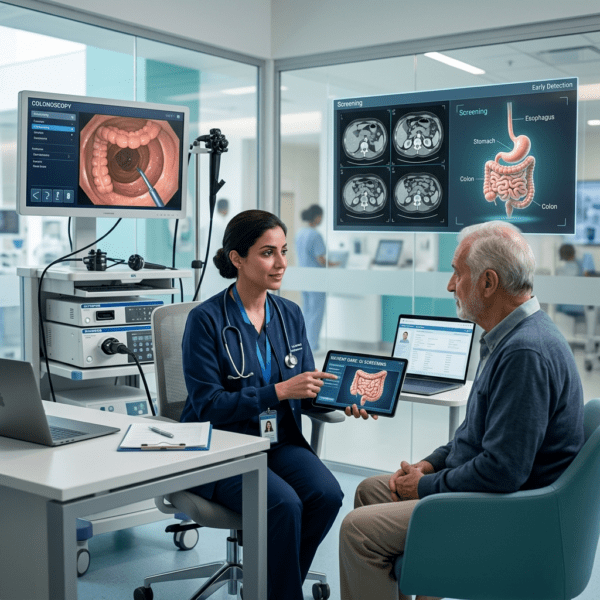
Colonoscopy is a direct visual examination of the entire colon and rectum using a flexible instrument called a colonoscope.
It allows the gastroenterologist to:
Examine the lining of the colon and rectum
Identify polyps
Detect suspicious lesions
Identify sources of bleeding
Remove appropriate polyps during the procedure
Take tissue samples when necessary
For average-risk adults, colonoscopy is one of the established screening strategies and may be performed every 10 years when results are normal, although the interval can differ according to individual findings and risk factors.
One important advantage of colonoscopy is that it can serve both a diagnostic and therapeutic role during the same procedure.
Step 10: Understanding Colon Polyps
A colorectal polyp is a growth that develops from the lining of the colon or rectum.
Polyps vary in type, size, and clinical significance. Some are benign and may never become cancerous, while certain precancerous polyps have the potential to develop into colorectal cancer over time.
During colonoscopy, appropriate polyps can often be removed through a procedure known as polypectomy.
Removing precancerous polyps is an important part of colorectal cancer prevention.
Step 11: CT Colonography
CT Colonography, sometimes called virtual colonoscopy, uses computed tomography imaging to examine the colon.
For average-risk adults, CT colonography is one of the recognized screening options and is generally performed every 5 years when used as a screening strategy.
Like other non-colonoscopy screening approaches, an abnormal finding generally requires follow-up colonoscopy for direct examination and possible tissue removal.
Step 12: Flexible Sigmoidoscopy
Flexible Sigmoidoscopy uses a flexible instrument to examine the rectum and lower part of the colon.
Depending on the screening strategy used, flexible sigmoidoscopy may be performed at intervals such as every 5 years, or combined with annual FIT.
Because it examines only part of the colon, it differs from colonoscopy, which is designed to examine the entire colon.
Step 13: Choosing the Appropriate Screening Test
There is no single screening method that is appropriate for every person.
The decision may take into account:
Age → Risk factors → Family history → Previous screening results → Medical history → Patient preference → Test availability
The important principle is to select a recommended screening method and complete it consistently. The American Cancer Society notes that offering several screening options can support informed patient choice and participation.
Step 14: Preparing for a Colonoscopy
When colonoscopy is selected, proper preparation is essential.
The patient is usually instructed to follow a specific bowel preparation plan so that stool does not interfere with visualization of the colon lining.
Preparation may involve:
Dietary restrictions before the procedure
A prescribed bowel-cleansing preparation
Drinking adequate clear fluids according to medical instructions
Adjusting certain medications when advised
Following specific instructions regarding eating and drinking before sedation
Poor bowel preparation can reduce the quality of the examination, so following the gastroenterologist's instructions carefully is important.
Step 15: What Happens During a Colonoscopy?
On the day of the procedure, the patient is prepared according to the facility's protocol.
The gastroenterologist then carefully advances the colonoscope through the rectum and examines the colon.
During the examination:
Colon lining is inspected → Polyps or abnormalities are identified → Biopsies may be taken when appropriate → Suitable polyps may be removed → Findings are documented
Sedation or anesthesia may be used depending on the patient's circumstances and the facility's practice.
Step 16: What Happens After Colonoscopy?
After the procedure, the patient is monitored until the effects of sedation have sufficiently worn off.
The gastroenterologist may discuss:
The findings of the examination
Whether polyps were identified
Whether tissue samples were taken
Whether polyps were removed
Whether further testing is required
When the next screening or surveillance examination should take place
If biopsies or polyps are removed, laboratory examination of the tissue may provide important information about the nature of the abnormality.
Step 17: Understanding Abnormal Screening Results
An abnormal stool-based or imaging screening test does not automatically mean that cancer is present.
Further evaluation is needed to determine the cause.
For example:
Positive stool test → Follow-up colonoscopy → Direct examination → Biopsy or polyp removal when appropriate → Pathology assessment
Current American Cancer Society guidance emphasizes that positive results from non-colonoscopy screening tests should be followed by timely colonoscopy.
Step 18: Understanding Surveillance After Polyp Removal
The appropriate interval for a repeat colonoscopy depends on factors such as:
Number of polyps
Size of the polyps
Type of polyps
Pathology findings
Quality of the previous examination
Personal and family history
Therefore, patients should follow the gastroenterologist's recommended surveillance interval rather than assuming that every person needs colonoscopy at the same frequency.
Step 19: Screening vs. Diagnostic Colonoscopy
It is important to understand the difference between screening and diagnostic evaluation.
Screening
Screening is performed in people who do not have symptoms, with the purpose of detecting colorectal cancer or precancerous lesions early.
Diagnostic Evaluation
A colonoscopy may be considered diagnostic when a patient already has symptoms or an abnormal test result that requires investigation.
For example, rectal bleeding or a positive stool screening test may lead to diagnostic colonoscopy rather than routine screening.
Step 20: The Role of Early Detection
One of the most important goals of colorectal cancer screening is early detection and prevention.
Screening can identify certain precancerous polyps before they become cancerous and can detect colorectal cancer earlier, when treatment options may be more extensive.
Regular screening is therefore an important part of preventive gastrointestinal care.
Step 21: Lifestyle and Colorectal Health
Screening is important, but overall health habits also contribute to long-term colorectal health.
Patients can discuss with their healthcare professional strategies such as:
Maintaining a healthy body weight
Staying physically active
Following a balanced diet
Avoiding tobacco
Limiting unhealthy alcohol use
Managing diabetes and other chronic conditions
Following recommended screening schedules
Healthy lifestyle choices do not replace colorectal cancer screening, but they can form an important part of overall preventive healthcare.
Step 22: When to Consult a Gastroenterologist
A gastroenterology consultation may be appropriate when a person:
Reaches the recommended age for colorectal cancer screening
Has a family history of colorectal cancer
Has previously had colorectal polyps
Has inflammatory bowel disease
Has unexplained rectal bleeding
Has persistent changes in bowel habits
Has unexplained iron-deficiency anemia
Has a positive stool-based screening test
Requires colonoscopy or another colorectal investigation
Patients with increased-risk conditions may require an individualized screening schedule.
Frequently Asked Questions About Colorectal Cancer Screening
At what age should colorectal cancer screening begin?
For adults at average risk, current American Cancer Society guidance recommends starting regular colorectal cancer screening at age 45. Screening generally continues through age 75 for people in good health and with a life expectancy greater than 10 years. Adults aged 76–85 should discuss screening individually with their healthcare provider.
Does everyone need a colonoscopy?
No. Several recommended screening methods are available, including stool-based testing and visual examinations. The most appropriate method depends on individual risk, medical history, preferences, and other factors.
How often is a screening colonoscopy performed?
For average-risk adults, colonoscopy is one of the recommended strategies and is generally performed every 10 years when used for screening and when findings are normal. Individual intervals may differ based on risk factors and colonoscopy findings.
What if my stool test is positive?
A positive stool-based screening test generally requires follow-up colonoscopy to determine whether polyps, cancer, or another cause is responsible.
Can colorectal cancer occur without symptoms?
Yes. Colorectal cancer and precancerous polyps may be present before a person develops noticeable symptoms, which is one reason routine screening is important for eligible adults.
Is colorectal cancer screening only for people with a family history?
No. Average-risk adults are also recommended to undergo screening beginning at the recommended age. A family history or other risk factor may change when screening should begin and how frequently it should be performed.
Can colonoscopy prevent colorectal cancer?
Colonoscopy can identify and allow removal of certain precancerous polyps, which is an important mechanism by which screening can help prevent colorectal cancer.
Conclusion
Colorectal Cancer Screening is an essential part of preventive gastrointestinal care. Because colorectal cancer and precancerous polyps may develop without obvious symptoms, appropriate screening can help detect abnormalities early and, in some cases, prevent cancer by identifying and removing precancerous lesions.
For average-risk adults, current guidance recommends beginning screening at age 45, with several screening options available, including stool-based tests and colonoscopy.
A personalized screening plan should take into account the patient's age, family history, previous polyps, medical conditions, symptoms, previous screening results, and overall health.
Regular screening, timely follow-up of abnormal results, and appropriate evaluation by a qualified gastroenterologist can play an important role in maintaining colorectal health and supporting early detection of colorectal disease.