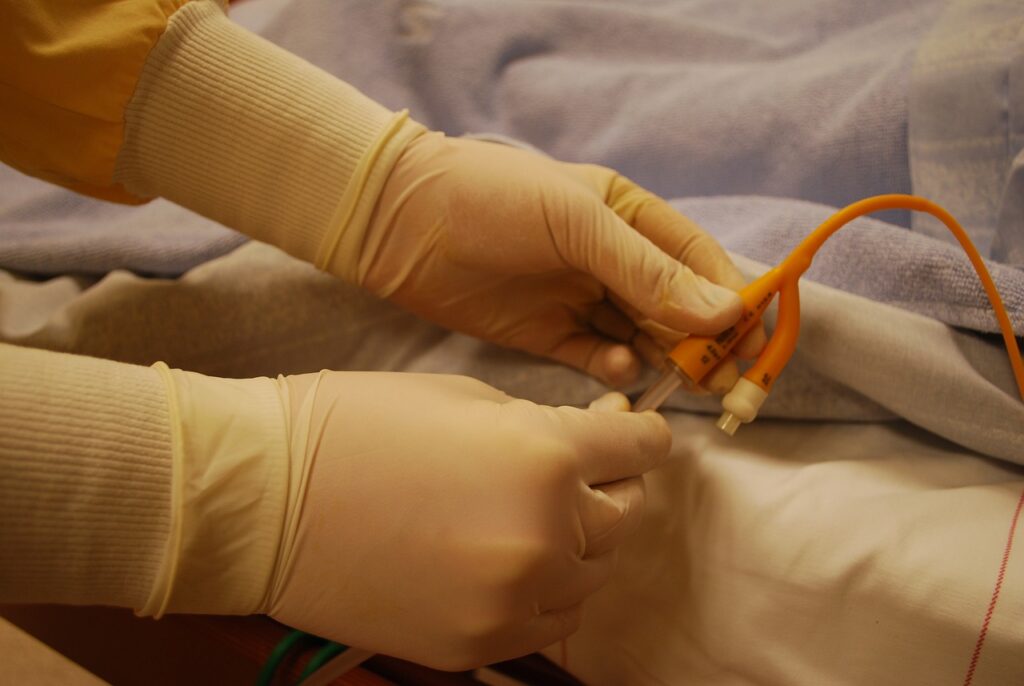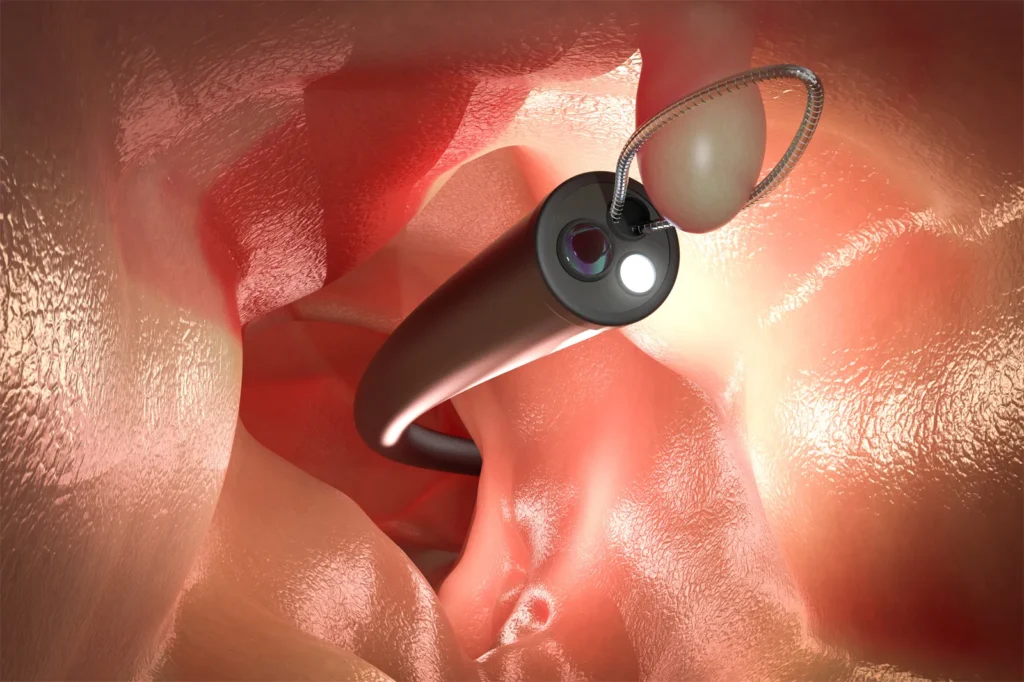
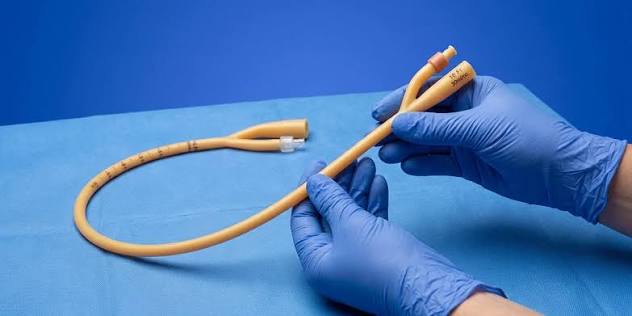
Foley catheter insertion is a medical procedure used to drain urine from the urinary bladder through the urethra. This procedure is performed by trained healthcare professionals using sterile technique to prevent infection and ensure patient safety.
Procedure
- Verify the medical order and identify the patient.
- Explain the procedure, obtain consent, and provide privacy.
- Perform hand hygiene and prepare the required equipment.
- Position the patient comfortably.
- Open the sterile catheterization kit and wear sterile gloves.
- Clean the urethral opening with the recommended antiseptic solution.
- Apply sterile lubricating gel to the catheter.
- Gently insert the catheter into the urethra without applying force.
- Confirm urine flow and ensure correct catheter placement before balloon inflation.
- Inflate the balloon with the specified amount of sterile water according to the manufacturer's instructions.
- Secure the catheter and connect it to the urine drainage bag.
- Keep the drainage bag below bladder level and ensure free urine flow.
- Make the patient comfortable, dispose of used equipment, and perform hand hygiene.
Important Nursing Points
- Maintain strict aseptic technique.
- Never force the catheter during insertion.
- Do not inflate the balloon unless correct placement in the bladder is established.
- Stop if significant pain, resistance, or bleeding occurs.
- Monitor urine output, colour, and flow.
- Maintain a closed drainage system to reduce infection risk.
- Document the catheter size, insertion time, urine characteristics, balloon volume, and patient response.
Purpose
Foley catheterization is used for urinary retention, accurate urine output monitoring, selected surgical procedures, and other appropriate clinical indications.
Complications
Possible complications include urinary tract infection, urethral injury, bleeding, bladder spasms, and catheter blockage.
Conclusion: Foley catheter insertion requires proper preparation, sterile technique, gentle insertion, and appropriate aftercare. The procedure should be performed by trained healthcare professionals according to clinical guidelines.
Disclaimer: This content is for educational purposes only and does not replace professional training or institutional protocols.