Foley Catheter Removal:
Introduction
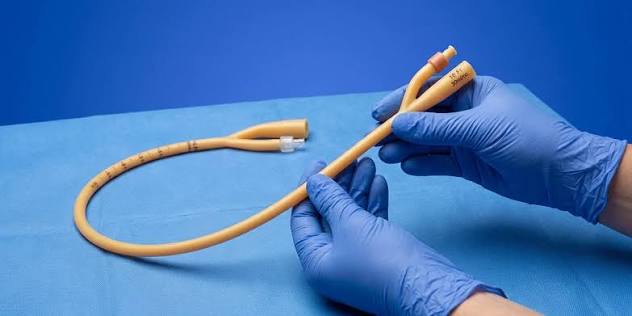
Foley catheter removal is a common medical procedure performed when a urinary catheter is no longer needed. A Foley catheter is a thin, flexible tube inserted into the bladder through the urethra to drain urine into a collection bag. A small balloon near the tip of the catheter keeps it securely in place inside the bladder.
When the catheter is no longer medically necessary, a healthcare professional removes it according to the prescribed treatment plan. Proper catheter removal, post-removal care, and monitoring help reduce complications and support the return to normal urination.
In this guide, we explain Foley catheter removal, why it is performed, how the procedure works, what patients can expect afterward, and when to seek medical attention.
What Is Foley Catheter Removal?
Foley catheter removal is the process of taking an indwelling urinary catheter out of the bladder after its intended purpose has been fulfilled or when a healthcare provider determines that removal is appropriate.
The catheter's retention balloon must be completely deflated before the tube is withdrawn. The procedure should be performed by a trained healthcare professional or another person specifically instructed and authorized to do so under an appropriate care plan.
After removal, the patient is monitored to ensure they can urinate adequately without the catheter.
Why Is a Foley Catheter Removed?
A healthcare provider may recommend Foley catheter removal for several reasons, including:
- Treatment is complete: The catheter is no longer required for the patient's medical condition.
- Reduced risk of infection: Removing an unnecessary catheter helps reduce the risk of catheter-associated urinary tract infections (CAUTIs).
- Return of normal bladder function: The patient may be ready to urinate independently.
- Improved comfort and mobility: Removing the catheter may make walking and everyday activities easier.
- Postoperative recovery: Patients may have their catheter removed after surgery when continuous bladder drainage is no longer necessary.
- Trial without catheter: A healthcare provider may recommend removal to assess whether the patient can empty the bladder adequately.
- Change in treatment plan: The medical team may decide that another method of urinary management is more appropriate.
The timing of catheter removal depends on the patient's condition, medical history, and healthcare provider's instructions.
Foley Catheter Removal Procedure: Step-by-Step Guide
Foley catheter removal requires proper preparation, infection-control precautions, and careful handling to avoid urethral injury.
Step 1: Verify the Removal Order
The healthcare professional confirms the medical order or follows the approved clinical protocol. The patient's condition and any relevant history of urinary retention or urinary tract surgery should be reviewed.
Step 2: Explain the Procedure
The patient is informed about the purpose of removal, what to expect during the procedure, and the importance of monitoring urination afterward. Privacy and consent should be addressed according to clinical policy.
Step 3: Gather the Required Equipment
The necessary supplies may include clean gloves, a protective pad, an appropriate syringe for balloon deflation, tissues or gauze, and a waste-disposal bag.
Step 4: Perform Hand Hygiene
Hand hygiene is performed before the procedure. Appropriate gloves and standard infection-prevention precautions are used.
Step 5: Position the Patient
The patient is positioned comfortably, usually lying on their back when appropriate. A protective pad may be placed beneath the patient to protect the bed or clothing.
Step 6: Deflate the Retention Balloon
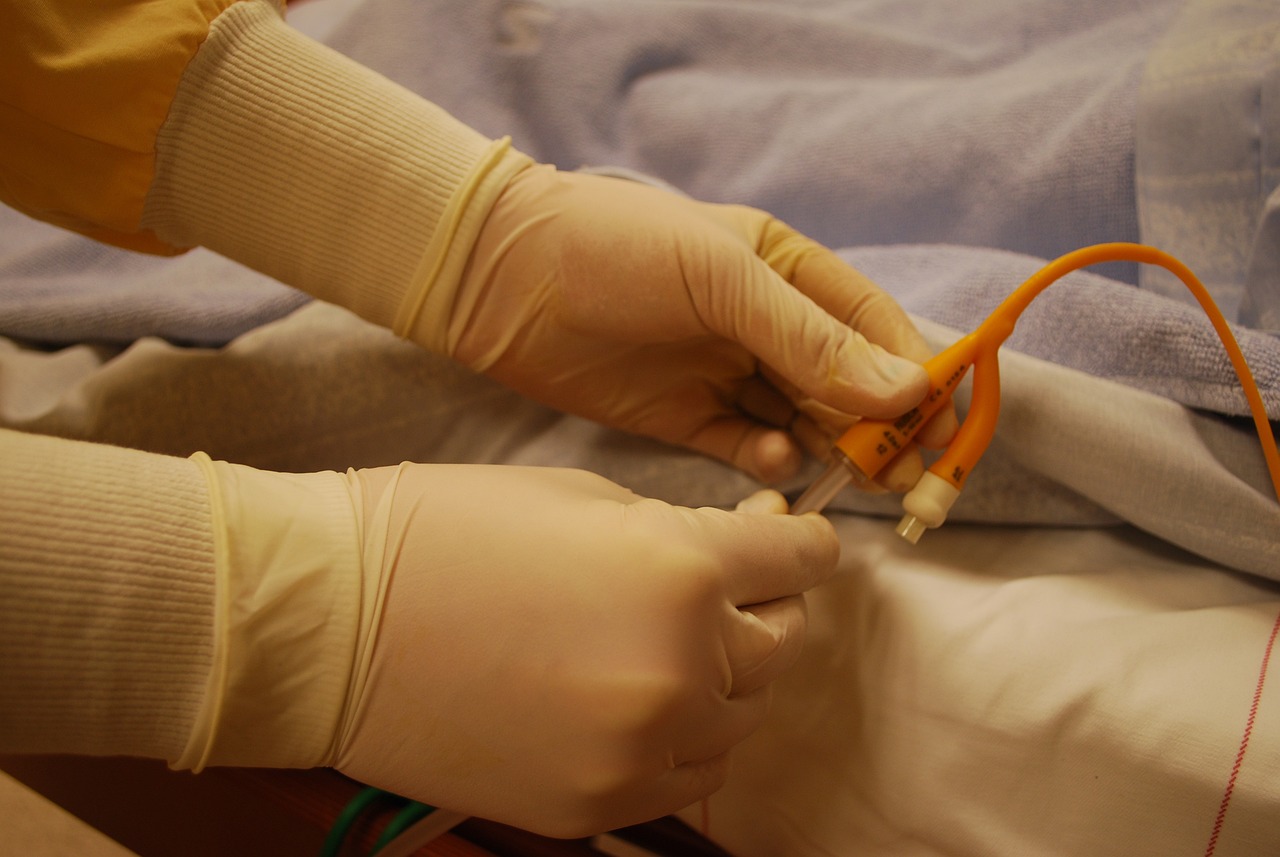
The healthcare professional identifies the catheter's balloon inflation port and uses the appropriate syringe according to the catheter manufacturer's instructions and clinical protocol. The balloon must be completely deflated before removal.
The balloon should not be forcibly deflated or manipulated in a way that could damage the catheter or injure the patient.
Step 7: Gently Remove the Catheter
Once complete balloon deflation has been confirmed, the catheter is gently withdrawn according to the approved procedure. The catheter must never be pulled against resistance.
If the balloon does not deflate fully, the patient experiences significant pain, or resistance is encountered, the procedure should be stopped and a qualified clinician should assess the problem.
Step 8: Inspect the Catheter
After removal, the catheter is checked for visible damage or apparent missing portions. Any concern about catheter integrity requires prompt clinical assessment.
Step 9: Provide Personal Hygiene
The genital area is cleaned as necessary, and the patient is helped into a comfortable position. Used equipment is disposed of according to the healthcare facility's infection-control policy.
Step 10: Document the Procedure
The healthcare professional records the date and time of removal, the patient's tolerance, the condition of the catheter, any complications, and the follow-up monitoring plan.
What to Expect After Foley Catheter Removal
After catheter removal, patients may need time to return to their usual urinary pattern. Some people experience mild, temporary discomfort or a slight burning sensation during their first urination.
Healthcare professionals may monitor the following:
- Time of the first urination.
- Amount of urine passed, when measurement is required.
- Urine colour and appearance.
- Lower abdominal discomfort or bladder fullness.
- Difficulty starting or maintaining the urine stream.
- Symptoms that may indicate urinary retention or infection.
The expected time to urinate varies from person to person. Follow the healthcare team's instructions about when to report an inability to urinate.
Foley Catheter Removal Aftercare
Appropriate aftercare helps patients recover comfortably and makes it easier to identify potential complications.
1. Maintain Appropriate Hydration
Drink fluids according to your healthcare provider's advice. Patients with heart, kidney, or other medical conditions may need fluid restrictions.
2. Monitor Urination
Pay attention to when you first urinate and whether the urine stream seems normal for you. Report difficulty urinating or a feeling that the bladder has not emptied.
3. Maintain Personal Hygiene
Keep the genital area clean and dry. Gentle cleansing with water and routine personal hygiene are generally sufficient unless your healthcare professional advises otherwise.
4. Avoid Excessive Straining
Do not repeatedly strain to force urine out. Difficulty urinating should be assessed rather than managed through excessive straining.
5. Follow the Monitoring Plan
Some patients require a bladder scan or measurement of the urine remaining in the bladder after urination, known as the post-void residual volume.
6. Report Unusual Symptoms
Contact a healthcare professional if you develop persistent burning, worsening urinary discomfort, fever, chills, or blood in your urine.
Seek urgent medical assessment if you cannot urinate and develop lower abdominal pain or swelling, or if you experience severe pain or significant bleeding.
Possible Complications After Foley Catheter Removal
Although catheter removal is generally straightforward when performed appropriately, complications can occur.
Urinary Retention
Urinary retention occurs when the bladder cannot empty adequately. Symptoms may include difficulty urinating, frequent small amounts of urine, lower abdominal discomfort, or a feeling of bladder fullness.
Urethral Irritation
Temporary irritation may cause mild discomfort or burning during urination. Persistent or worsening symptoms require medical assessment.
Blood in the Urine
A small amount of blood may occasionally occur following urinary tract instrumentation. However, visible or persistent bleeding, blood clots, or significant pain should be assessed promptly.
Urinary Tract Infection
Symptoms of a urinary tract infection may include burning during urination, frequent urination, fever, chills, or lower abdominal discomfort. Fever or chills, especially with worsening symptoms, warrant prompt medical attention.
Difficulty Returning to Normal Urination
Some patients, particularly those with underlying bladder problems or urinary obstruction, may need additional assessment or treatment before they can urinate normally.
How Long Does It Take to Urinate After Foley Catheter Removal?
The time required to pass urine after catheter removal varies according to the patient's hydration, bladder function, medications, medical condition, and reason for catheterization.
Patients should follow the specific monitoring instructions provided by their healthcare team. If they cannot urinate within the timeframe specified by the clinician or facility protocol, they should seek assessment. Inability to urinate accompanied by painful bladder fullness requires urgent evaluation.
Do not wait for severe pain to develop before reporting difficulty urinating.
When Should You Contact a Healthcare Professional?
Contact your healthcare provider if you experience:
- Difficulty passing urine or a significantly reduced urine stream.
- Persistent burning or pain during urination.
- Blood in the urine that persists or increases.
- Fever or chills.
- Unusual urinary symptoms that worsen rather than improve.
Seek urgent medical care if you cannot urinate and have a painful or swollen lower abdomen, experience significant bleeding, or develop severe pain.
Frequently Asked Questions About Foley Catheter Removal
1. Is Foley catheter removal painful?
Catheter removal is usually brief. Some patients experience mild discomfort or a temporary pulling sensation. Significant pain is not expected and should be reported immediately.
2. Can I remove my Foley catheter at home?
Home removal should only be considered when a qualified healthcare professional has specifically instructed you to do so, confirmed that it is appropriate, and provided clear instructions for your particular catheter and medical condition. Never pull out a catheter or attempt removal if the balloon may still be inflated.
3. How long does Foley catheter removal take?
The removal itself is generally brief, but preparation, patient assessment, and post-removal monitoring take additional time. The overall process depends on the patient's condition and the clinical setting.
4. Is burning normal after catheter removal?
Mild, temporary burning may occur after removal. Persistent or worsening burning, fever, chills, or other concerning symptoms should be assessed by a healthcare professional.
5. What happens if I cannot urinate after catheter removal?
Inability to urinate may indicate urinary retention. Contact your healthcare provider promptly and follow the instructions given to you. If you have painful bladder fullness or lower abdominal swelling, seek urgent medical assessment.
6. Should I drink more water after catheter removal?
Adequate hydration may support normal urination, but fluid intake should follow your medical advice. People with prescribed fluid restrictions should not increase their intake without consulting their healthcare provider.
7. Does everyone need a bladder scan after catheter removal?
No. A bladder scan is used when clinically indicated, such as when urinary retention is suspected or when a postoperative monitoring protocol requires it.
8. What should I do if I notice blood in my urine?
Report visible or persistent blood to a healthcare professional. Significant bleeding, blood clots, or bleeding accompanied by severe pain requires prompt medical assessment.
Conclusion
Foley catheter removal is an important part of urinary care when an indwelling catheter is no longer required. Proper balloon deflation, gentle removal, infection-control precautions, and post-removal monitoring help reduce complications and support the return to normal urination.
Patients should follow their healthcare provider's instructions, monitor their urinary function, and seek medical attention if they experience difficulty urinating, persistent pain, fever, or significant bleeding.
Medical disclaimer: This article is for general educational purposes only and does not replace professional medical advice, diagnosis, or treatment. Foley catheter removal should be performed according to an appropriate clinical plan and the catheter manufacturer's instructions.