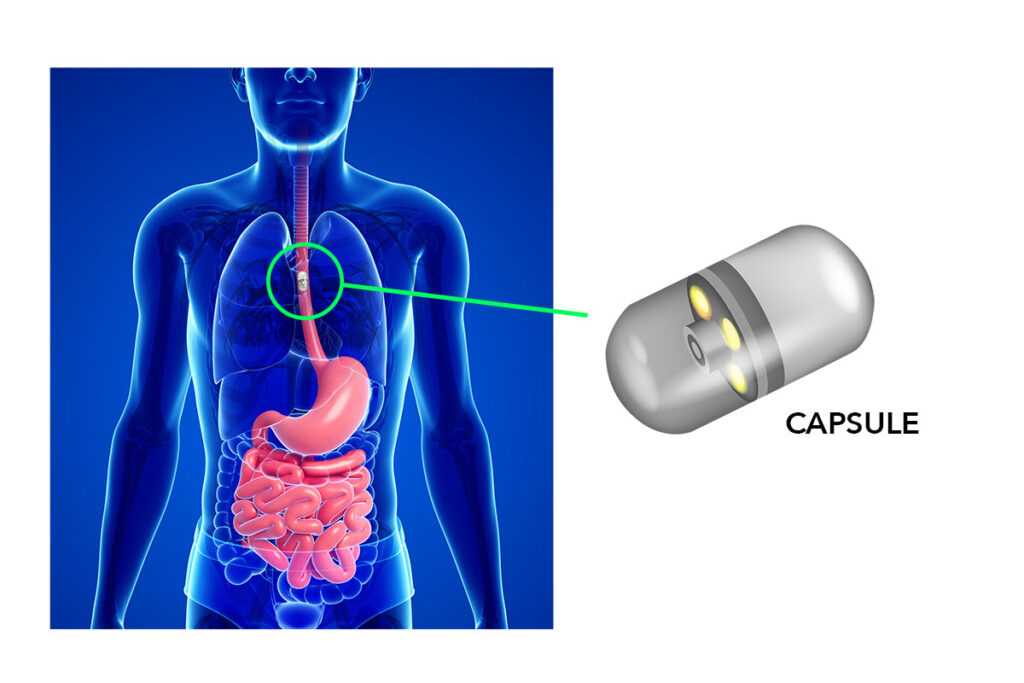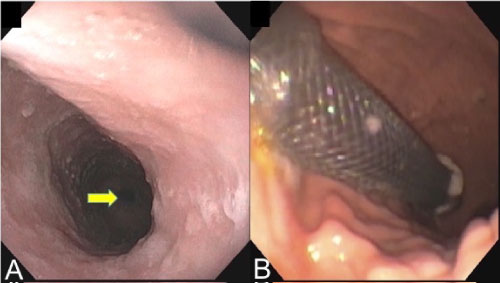
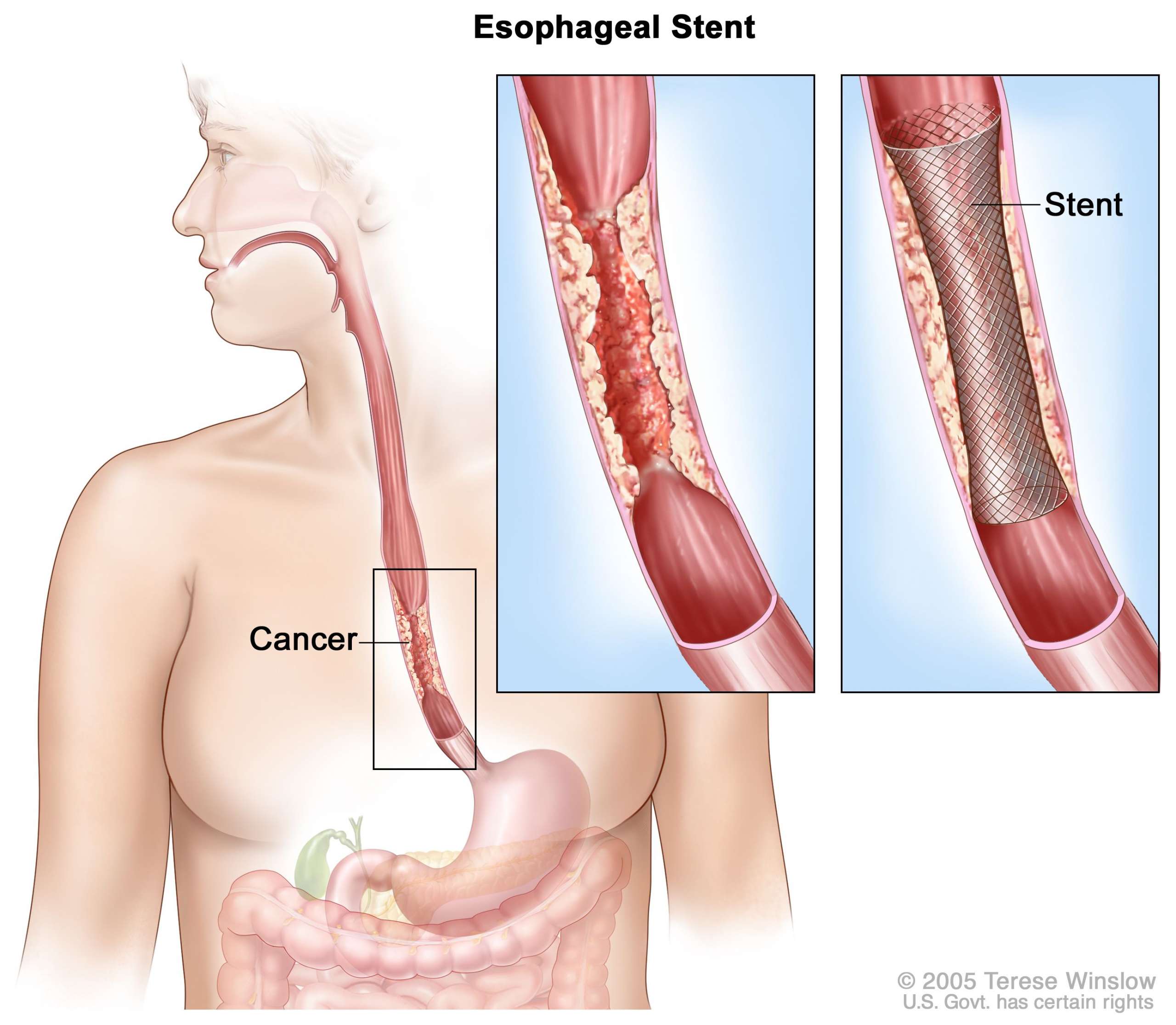
Esophageal stent placement is a minimally invasive endoscopic procedure used to keep the esophagus (food pipe) open, allowing food and liquids to pass more easily into the stomach. It is commonly performed to relieve swallowing difficulties caused by esophageal cancer, severe narrowing, or selected esophageal injuries.
1. What Is Esophageal Stent Placement?
- A specialized expandable tube is inserted into the esophagus.
- The stent maintains an open passage through a narrowed or obstructed area.
- It may be used for malignant obstruction, selected strictures, leaks, or fistulas.
- The procedure aims to improve swallowing and quality of life.
2. Indications for Esophageal Stent Placement
- Esophageal cancer causing difficulty swallowing.
- Severe esophageal narrowing or obstruction.
- Selected benign strictures that have not responded to conventional treatment.
- Certain esophageal leaks or perforations.
- Selected esophageal fistulas and post-surgical complications.
3. Symptoms That May Require Evaluation
- Difficulty swallowing solid foods or liquids.
- Food getting stuck in the chest.
- Regurgitation of food or liquids.
- Unintentional weight loss.
- Reduced nutritional intake.
- Coughing or choking associated with swallowing.
4. Types of Esophageal Stents
- Self-expanding metal stents (SEMS).
- Fully covered metal stents.
- Partially covered metal stents.
- Plastic stents for selected indications.
The choice depends on the underlying condition, stent location, and treatment goals.
5. Procedure for Esophageal Stent Placement
- Pre-procedure Assessment: Review medical history, medications, and diagnostic findings.
- Preparation: Follow fasting and medication instructions.
- Endoscopic Examination: Identify the narrowed or damaged segment.
- Guidewire Placement: A guidewire may be used to guide the stent.
- Stent Deployment: Position the stent across the affected area using appropriate endoscopic and imaging guidance.
- Position Confirmation: Confirm correct placement and expansion.
- Recovery Monitoring: Observe the patient and provide aftercare instructions.
6. Diagnostic Tests Before the Procedure
- Upper gastrointestinal endoscopy.
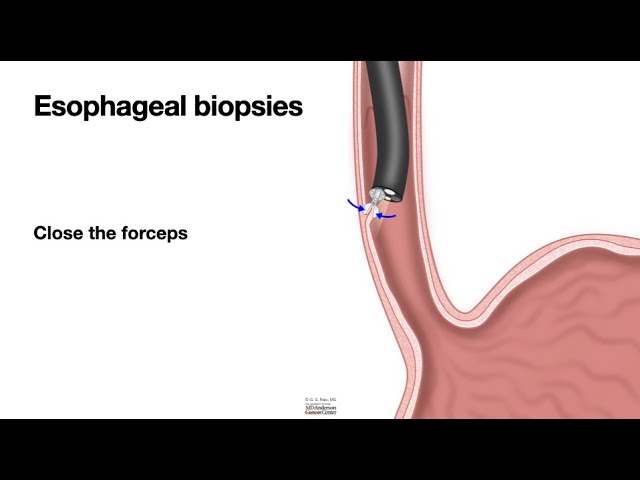
- Esophageal biopsy when indicated.
- CT imaging when clinically appropriate.
- Contrast studies in selected cases.
- Additional investigations based on the suspected diagnosis.
7. Benefits of Esophageal Stent Placement
- Improved swallowing.
- Better passage of food and liquids.
- Relief of symptoms caused by esophageal obstruction.
- Potential sealing of selected leaks or fistulas.
- Improved quality of life in appropriate patients.
8. Risks and Complications
- Chest pain or discomfort.
- Stent migration.
- Bleeding.
- Food blockage.
- Recurrent obstruction.
- Acid reflux.
- Aspiration.
- Rarely, esophageal perforation or fistula formation.
9. Recovery and Aftercare
- Follow the doctor's instructions about eating and drinking.
- Eat slowly and chew food thoroughly.
- Follow the recommended food consistency.
- Take prescribed medications as directed.
- Attend follow-up appointments.
- Report new or worsening swallowing difficulties.
10. Diet After Esophageal Stent Placement
- Choose soft, moist foods when recommended.
- Take small bites and chew thoroughly.
- Avoid foods identified by the healthcare team as likely to cause blockage.
- Maintain adequate hydration when swallowing is safe.
- Follow individualized dietary guidance.
11. Stent Duration and Follow-Up
- Stent duration depends on the underlying condition.
- Some stents are temporary and require planned removal.
- Others may remain longer for symptom relief.
- Follow-up helps identify migration, blockage, and other complications.
- Additional endoscopy or imaging may be required.
12. When to Seek Emergency Medical Care
Seek urgent medical attention for:
- Severe or increasing chest pain.
- Difficulty breathing.
- Inability to swallow saliva.
- Vomiting blood.
- Fever with chest pain.
- Persistent vomiting or inability to maintain fluid intake.
13. Frequently Asked Questions
Is esophageal stent placement a surgical procedure?
It is generally performed endoscopically through the mouth without an external incision.
Can patients eat after stent placement?
Many patients can resume oral intake with appropriate dietary modifications, depending on their condition.
Can an esophageal stent be removed?
Some stents are removable; removal depends on the device and clinical indication.
Does a stent cure esophageal cancer?
No. It generally relieves obstruction but does not treat the underlying cancer.
Can an esophageal stent become blocked?
Yes. Food impaction, tissue overgrowth, or tumor progression may cause blockage.
14. Conclusion
Esophageal stent placement is an important endoscopic treatment for selected patients with esophageal obstruction, swallowing difficulties, and certain leaks or fistulas. Appropriate patient selection, careful placement, and regular follow-up help optimize outcomes and minimize complications.
Best Gastroenterologist in Karachi
Specialized care for digestive disorders, liver diseases, and advanced endoscopy procedures.
- Doctor Profile: View Profile
- Clinic Details: View Clinic
- Contact: 0334 3646307 | 0303 3638304
- Location: Google Maps 1 | Google Maps 2
Esophageal stent placement is a minimally invasive endoscopic procedure used to keep the esophagus (food pipe) open, allowing food and liquids to pass more easily into the stomach. It is commonly performed to relieve swallowing difficulties caused by esophageal cancer, severe narrowing, or selected esophageal injuries.
/it-->1. What Is Esophageal Stent Placement?
- A specialized expandable tube is inserted into the esophagus.
- The stent maintains an open passage through a narrowed or obstructed area.
- It may be used for malignant obstruction, selected strictures, leaks, or fistulas.
- The procedure aims to improve swallowing and quality of life.
2. Indications for Esophageal Stent Placement
- Esophageal cancer causing difficulty swallowing.
- Severe esophageal narrowing or obstruction.
- Selected benign strictures that have not responded to conventional treatment.
- Certain esophageal leaks or perforations.
- Selected esophageal fistulas and post-surgical complications.
3. Symptoms That May Require Evaluation
- Difficulty swallowing solid foods or liquids.
- Food getting stuck in the chest.
- Regurgitation of food or liquids.
- Unintentional weight loss.
- Reduced nutritional intake.
- Coughing or choking associated with swallowing.
4. Types of Esophageal Stents
- Self-expanding metal stents (SEMS).
- Fully covered metal stents.
- Partially covered metal stents.
- Plastic stents for selected indications.
The choice depends on the underlying condition, stent location, and treatment goals.
5. Procedure for Esophageal Stent Placement
- Pre-procedure Assessment: Review medical history, medications, and diagnostic findings.
- Preparation: Follow fasting and medication instructions.
- Endoscopic Examination: Identify the narrowed or damaged segment.
- Guidewire Placement: A guidewire may be used to guide the stent.
- Stent Deployment: Position the stent across the affected area using appropriate endoscopic and imaging guidance.
- Position Confirmation: Confirm correct placement and expansion.
- Recovery Monitoring: Observe the patient and provide aftercare instructions.
6. Diagnostic Tests Before the Procedure
- Upper gastrointestinal endoscopy.
- Esophageal biopsy when indicated.
- CT imaging when clinically appropriate.
- Contrast studies in selected cases.
- Additional investigations based on the suspected diagnosis.
7. Benefits of Esophageal Stent Placement
- Improved swallowing.
- Better passage of food and liquids.
- Relief of symptoms caused by esophageal obstruction.
- Potential sealing of selected leaks or fistulas.
- Improved quality of life in appropriate patients.
8. Risks and Complications
- Chest pain or discomfort.
- Stent migration.
- Bleeding.
- Food blockage.
- Recurrent obstruction.
- Acid reflux.
- Aspiration.
- Rarely, esophageal perforation or fistula formation.
9. Recovery and Aftercare
- Follow the doctor's instructions about eating and drinking.
- Eat slowly and chew food thoroughly.
- Follow the recommended food consistency.
- Take prescribed medications as directed.
- Attend follow-up appointments.
- Report new or worsening swallowing difficulties.
10. Diet After Esophageal Stent Placement
- Choose soft, moist foods when recommended.
- Take small bites and chew thoroughly.
- Avoid foods identified by the healthcare team as likely to cause blockage.
- Maintain adequate hydration when swallowing is safe.
- Follow individualized dietary guidance.
11. Stent Duration and Follow-Up
- Stent duration depends on the underlying condition.
- Some stents are temporary and require planned removal.
- Others may remain longer for symptom relief.
- Follow-up helps identify migration, blockage, and other complications.
- Additional endoscopy or imaging may be required.
12. When to Seek Emergency Medical Care
Seek urgent medical attention for:
- Severe or increasing chest pain.
- Difficulty breathing.
- Inability to swallow saliva.
- Vomiting blood.
- Fever with chest pain.
- Persistent vomiting or inability to maintain fluid intake.
13. Frequently Asked Questions
Is esophageal stent placement a surgical procedure?
It is generally performed endoscopically through the mouth without an external incision.
Can patients eat after stent placement?
Many patients can resume oral intake with appropriate dietary modifications, depending on their condition.
Can an esophageal stent be removed?
Some stents are removable; removal depends on the device and clinical indication.
Does a stent cure esophageal cancer?
No. It generally relieves obstruction but does not treat the underlying cancer.
Can an esophageal stent become blocked?
Yes. Food impaction, tissue overgrowth, or tumor progression may cause blockage.
14. Conclusion
Esophageal stent placement is an important endoscopic treatment for selected patients with esophageal obstruction, swallowing difficulties, and certain leaks or fistulas. Appropriate patient selection, careful placement, and regular follow-up help optimize outcomes and minimize complications.
Best Gastroenterologist in Karachi
Specialized care for digestive disorders, liver diseases, and advanced endoscopy procedures.
- Doctor Profile: View Profile
- Clinic Details: View Clinic
- Contact: 0334 3646307 | 0303 3638304
- Location: Google Maps 1 | Google Maps 2