Esophageal Stent Removal
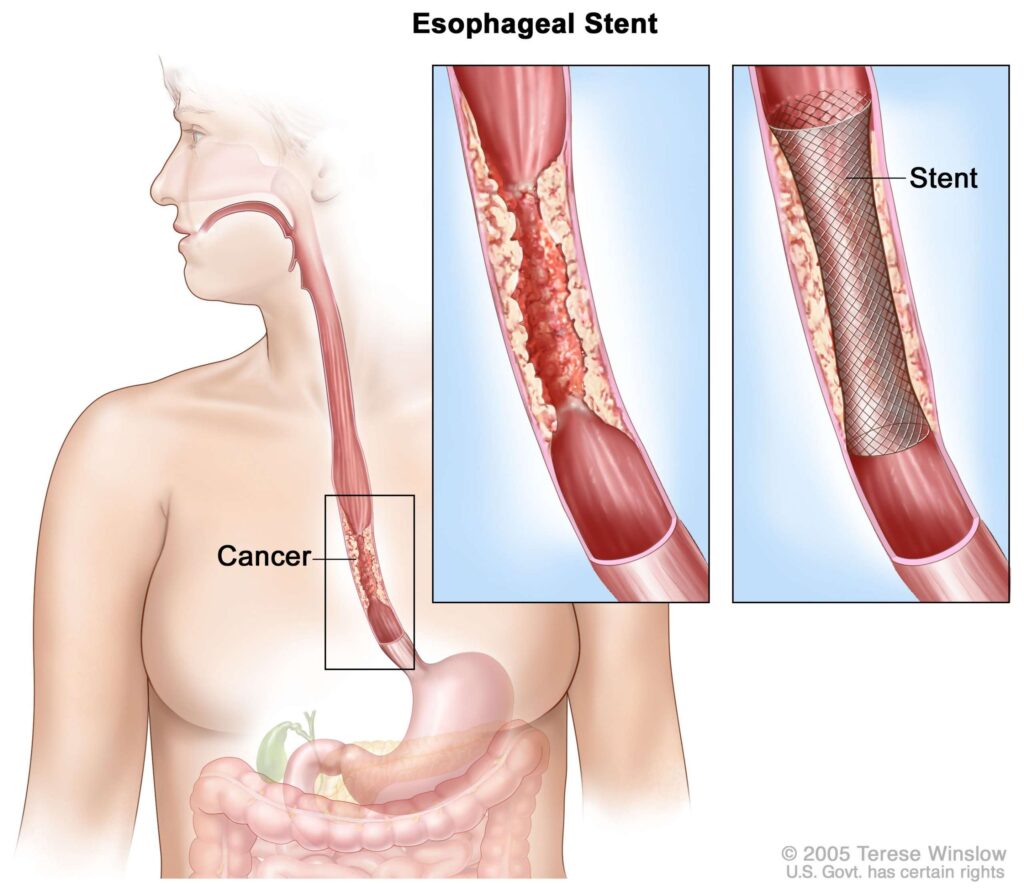
Esophageal stent removal is an endoscopic procedure performed to remove a previously placed stent from the esophagus (food pipe) when it is no longer required or when complications develop. The procedure is commonly considered after healing of an esophageal leak, improvement of a benign stricture, or completion of the intended treatment period.
1. What Is Esophageal Stent Removal?
- An endoscopic procedure to remove an esophageal stent.
- Usually performed through the mouth without an external surgical incision.
- Helps manage temporary stents that have completed their intended purpose.
- Requires assessment of the esophagus and the reason for stent placement.
2. When Is Esophageal Stent Removal Required?
- Healing of an esophageal leak or perforation.
- Resolution or improvement of a condition requiring temporary stenting.
- Completion of the planned stent treatment period.
- Stent migration or displacement.
- Stent blockage or food impaction.
- Persistent discomfort or other stent-related complications.
3. Types of Esophageal Stents That May Be Removed
- Fully covered self-expanding metal stents.
- Partially covered metal stents in selected cases.
- Temporary plastic stents, depending on the clinical indication.
Removal depends on the stent design, duration of placement, tissue ingrowth, and underlying condition.
4. Symptoms That May Require Stent Evaluation
- Persistent chest discomfort.
- Difficulty swallowing.
- Regurgitation of food or liquids.
- Recurrent vomiting.
- Sensation of food getting stuck.
- New or worsening symptoms after stent placement.
5. How Is Esophageal Stent Removal Performed?
- Pre-procedure Assessment: Review the patient's symptoms, medical history, and stent details.
- Preparation: Follow fasting instructions and medication guidance.
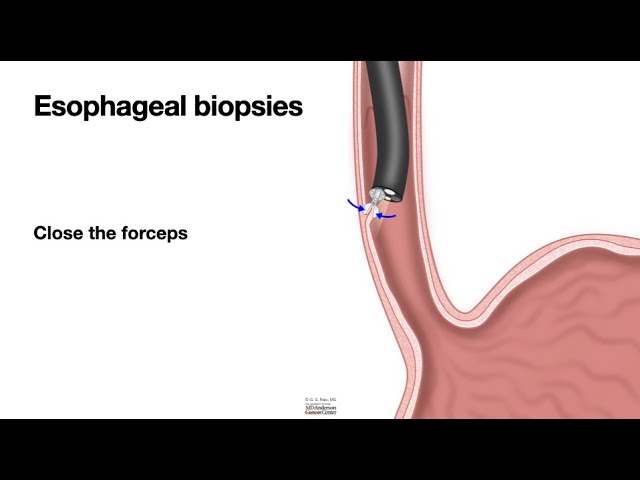
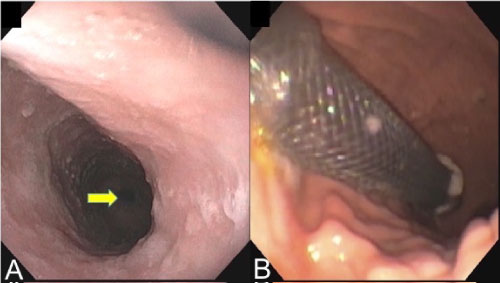
- Endoscopic Examination: Examine the esophagus and assess the stent's position.
- Stent Retrieval: Use specialized endoscopic instruments to grasp and remove the stent.
- Post-removal Assessment: Inspect the esophagus for injury, bleeding, or persistent narrowing.
- Recovery Monitoring: Monitor the patient and provide instructions for diet and follow-up.
The technique depends on the stent type and whether it has become embedded in surrounding tissue.
6. Benefits of Esophageal Stent Removal
- Removes a temporary device that is no longer needed.
- Helps address selected stent-related complications.
- Allows reassessment of the underlying esophageal condition.
- Supports further treatment planning when required.
7. Risks and Possible Complications
- Minor bleeding.
- Esophageal injury or perforation.
- Chest discomfort.
- Stent breakage or difficulty with removal.
- Recurrent narrowing or leakage of the esophagus.
- Sedation-related complications.
The risks vary according to the stent type, duration of placement, and the patient's condition.
8. Preparation Before the Procedure
- Follow the prescribed fasting instructions.
- Inform the doctor about all medications and allergies.
- Discuss blood thinners and diabetes medications with the healthcare team.
- Provide details of the original stent placement and any previous complications.
- Arrange transportation home if sedation is planned.
9. Recovery and Aftercare
- Follow instructions regarding when to resume eating and drinking.
- Begin with the recommended diet and advance as advised.
- Take prescribed medications as directed.
- Attend follow-up appointments.
- Report worsening swallowing difficulties or persistent pain.
Severe chest pain, breathing difficulty, fever, or significant bleeding after removal requires urgent medical assessment.
10. Frequently Asked Questions
Is esophageal stent removal painful?
Sedation or anesthesia is used as appropriate. Temporary discomfort may occur after the procedure.
Is surgery required to remove an esophageal stent?
Most removable stents can be retrieved endoscopically without an external incision. Complex cases may require alternative techniques.
When should an esophageal stent be removed?
Timing depends on the original indication, healing, stent design, and the treating specialist's assessment.
Can swallowing problems return after removal?
Yes. Symptoms may recur if the underlying narrowing or disease persists.
Is follow-up necessary after stent removal?
Yes. Follow-up helps assess healing, swallowing function, and the need for further treatment.
11. Conclusion
Esophageal stent removal is an important endoscopic procedure when a temporary stent is no longer required or when complications necessitate removal. Careful planning, appropriate endoscopic techniques, and follow-up are essential to support safe recovery and manage the underlying esophageal condition.
Best Gastroenterologist in Karachi
Specialized care for digestive disorders, liver diseases, and advanced endoscopy procedures.
- Doctor Profile: View Profile
- Clinic Details: View Clinic
- Contact: 0334 3646307 | 0303 3638304
- Location: Google Maps 1 | Google Maps 2