Pediatric Gastroscopy
Pediatric Gastroscopy is an advanced endoscopic procedure used to examine the upper digestive system in children and adolescents. It allows the specialist to directly evaluate the esophagus, stomach, and first part of the small intestine (duodenum) to investigate symptoms and identify conditions affecting the upper gastrointestinal tract.
1. Pediatric Patient Evaluation
Before the procedure, the child's symptoms, medical history, medications, allergies, previous investigations, and overall health are carefully reviewed. The need for gastroscopy is assessed according to the child's individual clinical condition.
2. Pre-Procedure Assessment
Parents or caregivers are provided with appropriate preparation instructions before the procedure. Fasting requirements and other preparation steps are determined according to the child's age, medical condition, and the planned sedation or anesthesia.
3. Sedation & Child-Friendly Care
Appropriate sedation or anesthesia may be used to keep the child comfortable and help ensure that the procedure can be performed safely and effectively. The child's vital signs and overall condition are monitored throughout the procedure.
4. Endoscopic Examination
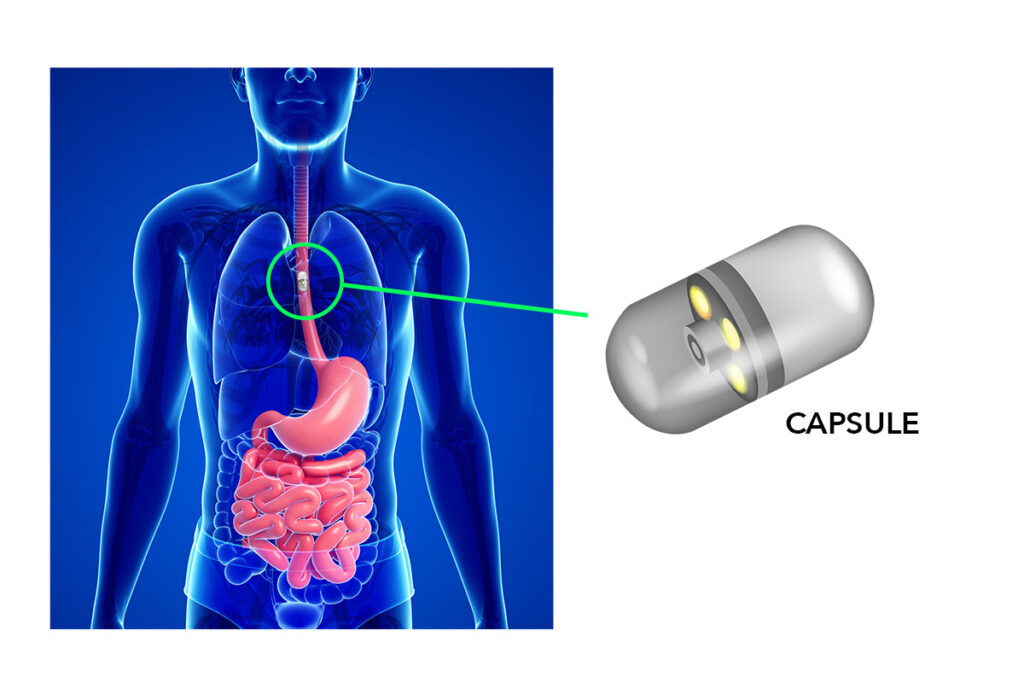
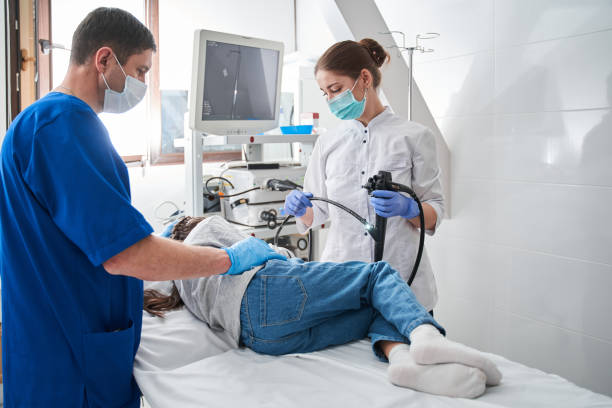
A thin, flexible gastroscope equipped with a small camera is gently introduced through the mouth and advanced through the upper digestive tract. The specialist carefully examines the esophagus, stomach, and duodenum.
5. Detailed Assessment
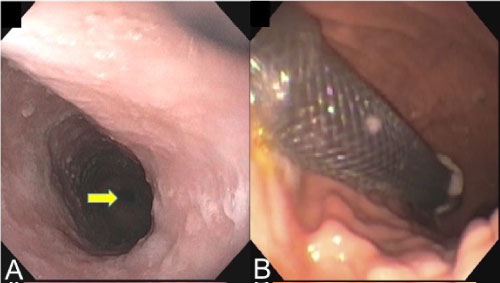
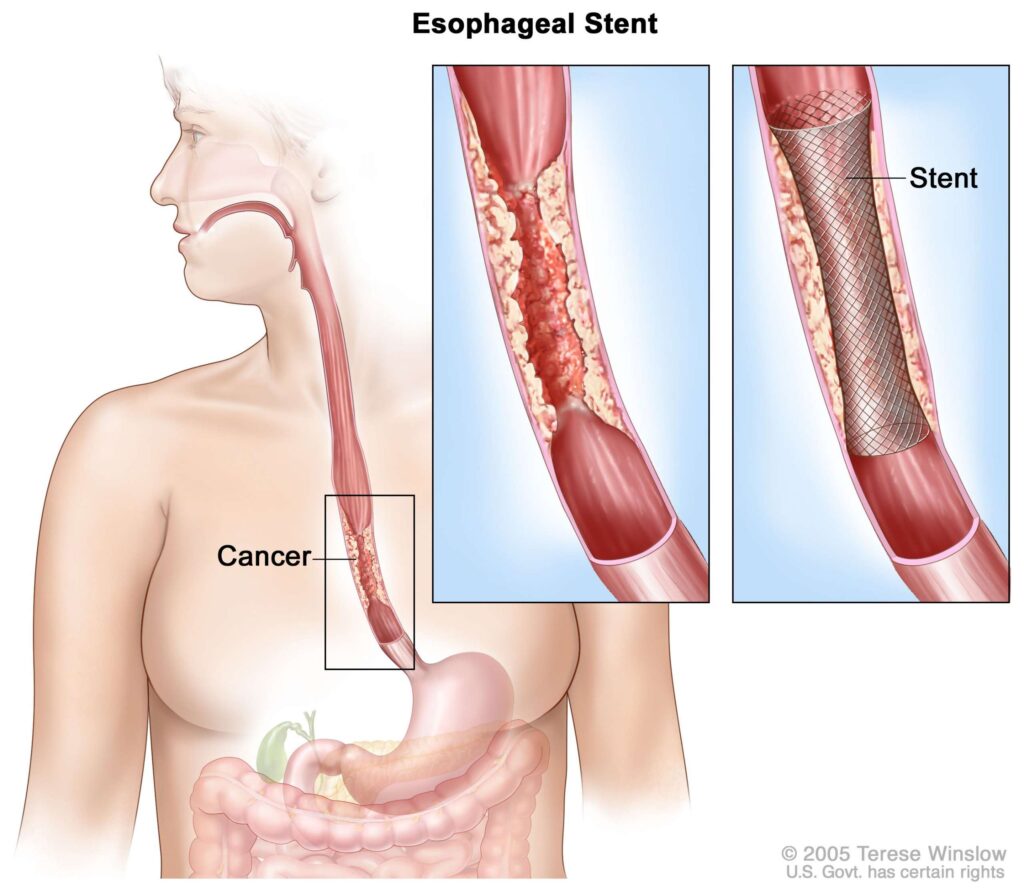
The lining of the upper digestive tract is examined for inflammation, ulcers, bleeding, irritation, narrowing, abnormal growths, and other changes. Gastroscopy can help investigate a range of gastrointestinal symptoms and conditions.
6. Biopsy & Tissue Sampling
If an abnormal area is identified, small tissue samples may be collected using specialized instruments passed through the endoscope. These samples can be sent for laboratory or histopathological examination when clinically indicated.
7. Endoscopic Treatment
When appropriate, certain minor abnormalities or sources of bleeding may be managed during the same procedure using specialized endoscopic techniques. The treatment performed depends on the findings and the child's individual condition.
8. Post-Procedure Monitoring
After gastroscopy, the child is monitored during recovery until the effects of sedation or anesthesia have sufficiently worn off. Parents or caregivers receive instructions regarding food, activity, medications, and symptoms that may require medical attention.
9. Results & Follow-Up
The endoscopic findings are discussed with the parents or caregivers, and biopsy results are reviewed when samples have been taken. Further treatment, investigations, or follow-up may be recommended based on the findings.
Benefits of Pediatric Gastroscopy
Pediatric gastroscopy provides a direct view of the upper digestive tract and can help identify the cause of persistent or unexplained gastrointestinal symptoms. It also allows biopsy and selected therapeutic procedures to be performed when required.
Comprehensive Pediatric Endoscopy Care
Our Pediatric Gastroscopy service focuses on careful assessment, appropriate preparation, child-friendly sedation and monitoring, detailed examination of the upper digestive tract, biopsy or treatment when indicated, and proper follow-up care. The procedure is planned individually according to the child's age, symptoms, medical history, and clinical needs.