Gallstones & Gallbladder Disease
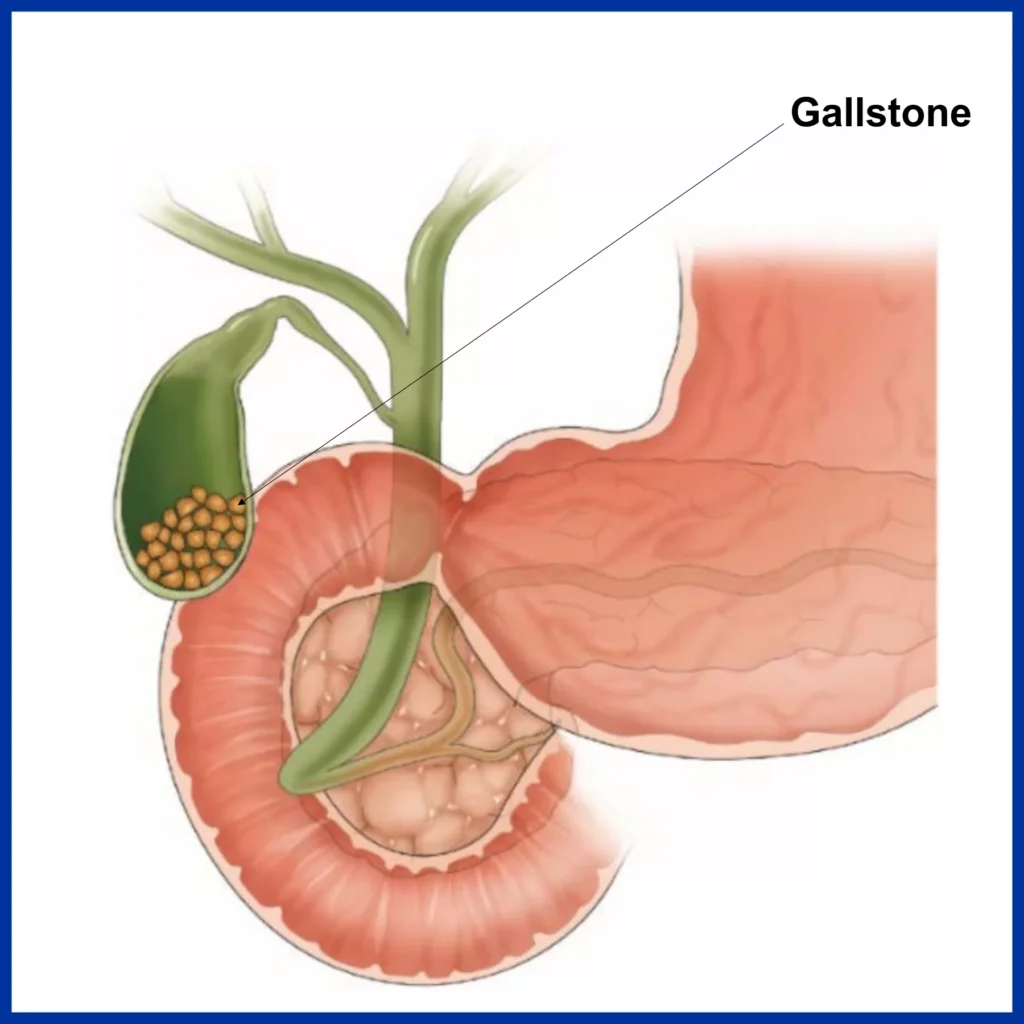
Gallstones & Gallbladder Disease are common conditions affecting the gallbladder and biliary system. The gallbladder is a small organ located beneath the liver that stores and concentrates bile, a digestive fluid that helps the body digest fats. Gallstones can develop when substances present in bile, such as cholesterol or bile pigments, form solid particles within the gallbladder.
Some people may have gallstones without any symptoms, while others can experience recurrent abdominal pain, nausea, vomiting, indigestion, inflammation, or complications involving the bile ducts and pancreas. Proper evaluation is important to determine whether symptoms are related to gallstones and whether medical, endoscopic, or surgical treatment may be required.
Step 1: Detailed Medical History and Clinical Assessment
The evaluation begins with a comprehensive medical history and physical examination. The doctor reviews the patient's symptoms, their frequency and duration, previous episodes of abdominal pain, dietary patterns, medications, medical conditions, and any history of gallbladder or abdominal surgery.
Particular attention is given to the location and nature of abdominal pain. Gallbladder-related pain commonly occurs in the upper right or upper middle abdomen and may sometimes radiate toward the back or right shoulder.
Other symptoms may include:
Abdominal pain after meals
Nausea or vomiting
Bloating or indigestion
Intolerance to fatty meals
Fever or chills
Jaundice
Dark urine
Pale-colored stools
Step 2: Identifying the Type of Gallbladder Problem
Not every gallstone requires treatment. The doctor first determines whether the patient has asymptomatic gallstones, symptomatic gallstones, gallbladder inflammation, bile duct stones, or another gallbladder-related condition.
Gallbladder conditions may include:
Gallstones (Cholelithiasis)
Acute Cholecystitis
Chronic Gallbladder Inflammation
Biliary Colic
Common Bile Duct Stones (Choledocholithiasis)
Gallstone-related pancreatitis
Other structural or inflammatory gallbladder disorders
Identifying the specific condition helps determine the appropriate next step.
Step 3: Laboratory Investigations
Blood tests may be recommended to evaluate inflammation, infection, and liver or biliary function.
Depending on the patient's symptoms, investigations may include:
Complete blood count
Liver function tests
Bilirubin
ALT and AST
Alkaline phosphatase
GGT
Pancreatic enzymes when indicated
Other tests based on the clinical assessment
Abnormal results may provide clues regarding gallbladder inflammation, bile duct obstruction, infection, or pancreatic involvement.
Step 4: Ultrasound Examination
Abdominal ultrasound is commonly used as an initial imaging investigation for suspected gallstones and gallbladder disease.
Ultrasound can help identify:
Gallstones
Gallbladder wall thickening
Gallbladder inflammation
Fluid around the gallbladder
Enlargement of the bile ducts
Other abnormalities of the biliary system
The ultrasound findings are interpreted together with the patient's symptoms and laboratory results.
Step 5: Further Imaging When Required
If the initial assessment does not provide enough information, additional imaging may be recommended.
Depending on the clinical situation, this may include MRCP (Magnetic Resonance Cholangiopancreatography) or CT imaging.
These investigations can provide more detailed information about the bile ducts, gallbladder, pancreas, and surrounding structures, particularly when bile duct stones or complications are suspected.
Step 6: Assessment of Biliary Colic
Some patients with gallstones experience episodes of biliary colic, typically caused by temporary obstruction of the gallbladder outlet by a stone.
The pain may occur after eating, particularly following a heavy or fatty meal, and may last for a period of time before improving.
Repeated symptomatic episodes should be evaluated because they may indicate the need for further management.
Step 7: Management of Acute Cholecystitis
Acute cholecystitis occurs when the gallbladder becomes inflamed, commonly because a gallstone blocks the gallbladder outlet.
Patients may develop persistent upper abdominal pain, tenderness, nausea, vomiting, fever, or other signs of inflammation.
Management depends on the severity and individual circumstances and may involve medical treatment, supportive care, monitoring, and surgical evaluation when appropriate.
Step 8: Evaluation for Bile Duct Stones
A gallstone can sometimes move from the gallbladder into the common bile duct. This condition is called choledocholithiasis.
A bile duct stone can cause:
Jaundice
Dark urine
Pale stools
Abdominal pain
Abnormal liver tests
Cholangitis
Pancreatitis
When a common bile duct stone is suspected or confirmed, further biliary evaluation and treatment may be required.
Step 9: ERCP for Selected Biliary Problems
In selected patients with bile duct stones or obstruction, ERCP (Endoscopic Retrograde Cholangiopancreatography) may be used for treatment.
During ERCP, a flexible endoscope is passed through the mouth into the digestive tract to access the opening of the bile duct. Specialized instruments can then be used to remove selected bile duct stones or establish bile drainage when necessary.
ERCP is generally used for therapeutic purposes when there is an appropriate indication.
Step 10: Gallstone-Related Pancreatitis
Gallstones can occasionally block the area where the bile and pancreatic ducts drain, leading to acute pancreatitis.
Patients may experience significant upper abdominal pain, nausea, and vomiting. When gallstone-related pancreatitis is suspected, prompt medical assessment is important.
Management focuses on treating the pancreatitis, identifying the cause, and addressing the underlying biliary problem when clinically appropriate.
Step 11: Treatment Planning
Treatment is individualized according to the patient's symptoms, gallstone characteristics, complications, overall health, and findings from laboratory and imaging investigations.
Patients with asymptomatic gallstones may not always require immediate treatment. However, symptomatic or complicated gallbladder disease may require further intervention.
Treatment decisions are made after considering the complete clinical picture.
Step 12: Surgical Management When Required
For patients with recurrent symptomatic gallstones, acute or chronic gallbladder disease, or certain complications, surgical removal of the gallbladder (cholecystectomy) may be recommended.
In many suitable cases, laparoscopic cholecystectomy is used as a minimally invasive surgical approach. The exact timing and suitability of surgery depend on the patient's diagnosis and clinical condition.
Step 13: Dietary and Lifestyle Guidance
Dietary advice may be provided according to the patient's symptoms and overall condition. Some patients find that heavy or high-fat meals worsen their symptoms.
General guidance may include:
Choosing balanced meals
Avoiding foods that consistently trigger symptoms
Limiting very heavy or greasy meals when advised
Maintaining an appropriate healthy weight
Avoiding rapid weight-loss diets
Following individualized dietary recommendations
Dietary changes do not remove existing gallstones, but they may help some patients manage symptoms while the underlying condition is being evaluated.
Step 14: Monitoring and Follow-Up
Follow-up is important for patients with symptomatic or complicated gallbladder disease.
Depending on the diagnosis, follow-up may include:
Repeat clinical assessment
Liver function tests
Follow-up ultrasound or other imaging
Monitoring for recurrent pain
Assessment after endoscopic treatment
Surgical follow-up when indicated
The follow-up plan is individualized according to the patient's condition and treatment.
Symptoms That Require Prompt Medical Attention
Patients should seek prompt medical evaluation if they develop:
Severe or persistent abdominal pain
Fever or chills
Yellowing of the eyes or skin
Repeated vomiting
Dark urine with abdominal pain
Pale stools
Severe weakness
Symptoms suggestive of pancreatitis
These symptoms can sometimes indicate complications such as acute cholecystitis, bile duct obstruction, cholangitis, or pancreatitis.
Who May Benefit From Evaluation?
A gastroenterology assessment may be appropriate for patients experiencing:
Recurrent upper abdominal pain
Suspected gallstones
Abnormal liver function tests
Recurrent digestive symptoms associated with meals
Jaundice or suspected bile duct obstruction
Previous gallbladder inflammation
Suspected common bile duct stones
Gallstone-related complications
Our Approach
Our approach to Gallstones & Gallbladder Disease focuses on accurate diagnosis, identification of the underlying cause, assessment of complications, and individualized treatment planning.
We combine clinical evaluation, laboratory investigations, ultrasound and other appropriate imaging to understand the patient's condition. When bile duct obstruction or stones require endoscopic management, procedures such as ERCP may be considered when clinically appropriate.
The overall goal is to relieve symptoms, identify and manage complications early, restore normal biliary drainage when necessary, and guide patients toward the most appropriate treatment for their individual condition.