Portal Hypertension
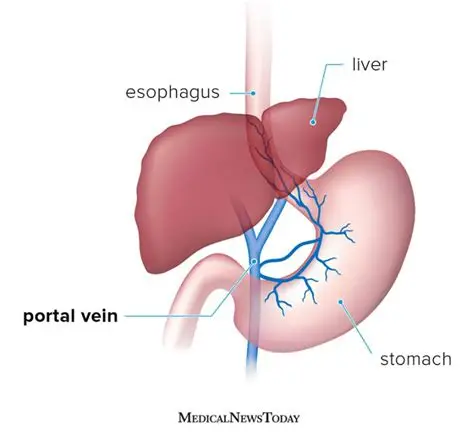
Portal Hypertension is a condition in which the blood pressure within the portal venous system becomes abnormally elevated. The portal vein carries blood from the digestive organs and spleen to the liver. When blood flow through the liver is restricted, pressure can build up within the portal venous system.
Portal Hypertension is commonly associated with advanced liver disease and cirrhosis, but it can also develop due to other conditions affecting the liver or portal venous system. If left unmanaged, it may lead to complications such as esophageal or gastric varices, gastrointestinal bleeding, ascites, an enlarged spleen, and other complications of chronic liver disease.
Early evaluation and appropriate management are important for identifying the underlying cause, controlling complications, and protecting liver health.
Step 1: Comprehensive Medical Assessment
The evaluation begins with a detailed medical history and physical examination. The doctor reviews symptoms, previous liver disease, hepatitis history, alcohol and medication history when relevant, previous episodes of gastrointestinal bleeding, and any known diagnosis of cirrhosis or chronic liver disease.
Symptoms and clinical findings may include:
Abdominal swelling due to fluid accumulation
Enlarged abdomen
Leg swelling
Vomiting blood
Black or tarry stools
Easy bruising or bleeding
Fatigue and weakness
Enlarged spleen
Jaundice
Unexplained weight changes
Step 2: Laboratory Investigations
Blood tests are performed to evaluate liver function, blood cell counts, and the overall severity of liver disease.
Depending on the patient's condition, investigations may include:
Liver function tests
Bilirubin
ALT and AST
Albumin
Complete blood count
Platelet count
Coagulation profile
Kidney function tests
Viral hepatitis testing when indicated
Low platelet counts, abnormal liver tests, or other findings may provide important clues regarding portal hypertension and underlying liver disease.
Step 3: Imaging of the Liver and Portal System
Imaging studies are used to evaluate the liver, spleen, portal vein, and other abdominal structures.
An abdominal ultrasound may assess liver appearance, spleen size, ascites, and portal vein abnormalities. Doppler ultrasound can provide additional information about blood flow within the portal and hepatic vessels.
Depending on the clinical situation, CT or MRI may also be recommended for more detailed evaluation.
Step 4: Assessment of Liver Fibrosis and Cirrhosis
Because portal hypertension is frequently associated with chronic liver disease and cirrhosis, assessment of liver fibrosis is an important part of the evaluation.
Depending on the patient's condition, non-invasive tests such as elastography or FibroScan may be considered to assess liver stiffness.
The results are interpreted together with clinical findings, blood tests, and imaging rather than being used as a standalone diagnosis.
Step 5: Evaluation for Esophageal and Gastric Varices
One of the major complications of portal hypertension is the development of enlarged veins, known as varices, in the esophagus or stomach.
These veins can become fragile and may bleed significantly.
An Upper GI Endoscopy may be recommended to identify esophageal or gastric varices and assess their risk of bleeding.
Step 6: Prevention and Management of Variceal Bleeding
When varices are identified, the doctor determines the appropriate preventive or therapeutic strategy according to the patient's individual risk.
In selected cases, endoscopic treatment such as Esophageal Variceal Band Ligation may be performed. During this procedure, small elastic bands are placed around selected varices to control or reduce the risk of bleeding.
Other medical or interventional treatments may also be considered depending on the severity of portal hypertension.
Step 7: Management of Acute Gastrointestinal Bleeding
If a patient with portal hypertension develops vomiting of blood or black stools, urgent medical assessment is required.
When variceal bleeding is suspected, management may involve stabilization, appropriate medications, blood-related supportive care when necessary, and urgent endoscopic treatment to control the bleeding source.
The treatment approach depends on the severity of bleeding and the patient's overall condition.
Step 8: Assessment and Management of Ascites
Portal hypertension can contribute to ascites, which is the accumulation of fluid inside the abdomen.
Patients may experience abdominal swelling, discomfort, early fullness, or difficulty breathing when significant fluid accumulates.
Management may involve dietary and medication-based measures, monitoring of kidney and liver function, and procedures such as paracentesis when clinically indicated.
Step 9: Evaluation of Enlarged Spleen
Increased pressure within the portal venous system can cause the spleen to become enlarged, a condition known as splenomegaly.
An enlarged spleen may contribute to reduced platelet or