Therapeutic Endoscopy
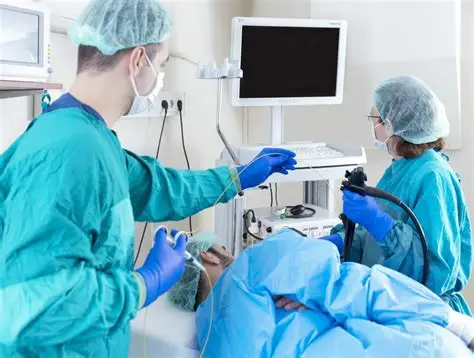
Therapeutic Endoscopy is an advanced minimally invasive approach used to diagnose and treat a wide range of gastrointestinal conditions through an endoscope. Unlike a purely diagnostic endoscopy, therapeutic endoscopy allows the specialist to perform specific treatments during the procedure without the need for conventional open surgery in many appropriately selected cases.
Therapeutic endoscopic procedures may be used to control gastrointestinal bleeding, remove polyps or selected lesions, remove foreign bodies, treat strictures, manage certain bile duct problems, and perform other specialized interventions.
Step 1: Comprehensive Patient Assessment
Before the procedure, the doctor performs a detailed clinical assessment. The patient's symptoms, medical history, previous endoscopic procedures, medications, allergies, and existing health conditions are reviewed.
Special attention may be given to medicines that can affect bleeding risk, including blood-thinning medications. The doctor determines whether therapeutic endoscopy is appropriate and which specific procedure may be required.
Step 2: Diagnostic Evaluation and Procedure Planning
Previous investigations such as blood tests, ultrasound, CT scans, MRI/MRCP, endoscopy, or other relevant reports may be reviewed.
The findings help the specialist identify the target area and select the most suitable endoscopic technique.
The planned treatment depends on the underlying condition, location of the abnormality, its size, and the patient's overall clinical condition.
Step 3: Preparation Before Endoscopy
Appropriate preparation is explained before the procedure. For upper gastrointestinal procedures, the patient may be required to remain fasting for a specified period.
For lower gastrointestinal procedures, bowel preparation may be necessary depending on the planned intervention.
The medical team also reviews medications and provides individualized instructions regarding preparation, fasting, and medication adjustments when required.
Step 4: Safe Sedation and Monitoring
Therapeutic endoscopic procedures may be performed with appropriate sedation or anesthesia depending on the type and complexity of the intervention.
Throughout the procedure, the patient's vital signs are monitored, including oxygen levels, heart rate, and blood pressure.
The goal is to provide a controlled and safe environment while allowing the specialist to perform the required treatment.
Step 5: Introduction of the Endoscope
A flexible endoscope equipped with a camera and specialized working channels is carefully introduced through the appropriate route.
Depending on the condition being treated, the procedure may involve an upper GI endoscope, colonoscope, or specialized endoscopic equipment.
The high-resolution camera allows the specialist to visualize the gastrointestinal tract and identify the area requiring treatment.
Step 6: Identification of the Target Problem
The specialist carefully examines the relevant area and identifies the abnormality requiring treatment.
Depending on the clinical indication, this may include:
Gastrointestinal bleeding
Polyps
Selected mucosal lesions
Narrowed areas or strictures
Foreign bodies
Obstructive lesions
Bile duct abnormalities
Other conditions suitable for endoscopic intervention
The treatment technique is selected according to the specific finding.
Step 7: Endoscopic Treatment
Once the target area has been identified, specialized instruments can be passed through the working channel of the endoscope.
Depending on the condition, therapeutic endoscopy may involve:
Removal of polyps
Resection of selected mucosal lesions
Control of gastrointestinal bleeding
Dilatation of selected strictures
Foreign body removal
Injection therapy
Application of clips or other hemostatic techniques
Biliary interventions
Stent placement in selected cases
The exact technique depends on the patient's diagnosis and the location and characteristics of the lesion.
Step 8: Management of Gastrointestinal Bleeding
Therapeutic endoscopy is an important treatment option for selected cases of gastrointestinal bleeding.
Depending on the source of bleeding, the specialist may use endoscopic techniques such as injection therapy, clips, thermal therapy, or other hemostatic methods.
The objective is to control active bleeding and reduce the risk of continued or recurrent blood loss.
Step 9: Removal of Polyps and Selected Lesions
Polyps and certain abnormal tissue lesions may be removed using specialized endoscopic techniques.
Depending on the size, location, and appearance of the lesion, the procedure may involve techniques such as polypectomy, EMR (Endoscopic Mucosal Resection), or other advanced endoscopic methods.
Removed tissue may be sent for histopathological examination when appropriate.
Step 10: Endoscopic Treatment of Strictures
Some gastrointestinal conditions can cause narrowing of the esophagus or other parts of the digestive tract.
When appropriate, therapeutic endoscopy can be used to dilate selected strictures and improve the passage of food or digestive contents.
The treatment technique and number of sessions depend on the cause and severity of the narrowing.
Step 11: Biliary and Pancreatic Interventions
Specialized therapeutic endoscopy can also be used for selected disorders involving the bile ducts and pancreatic ducts.
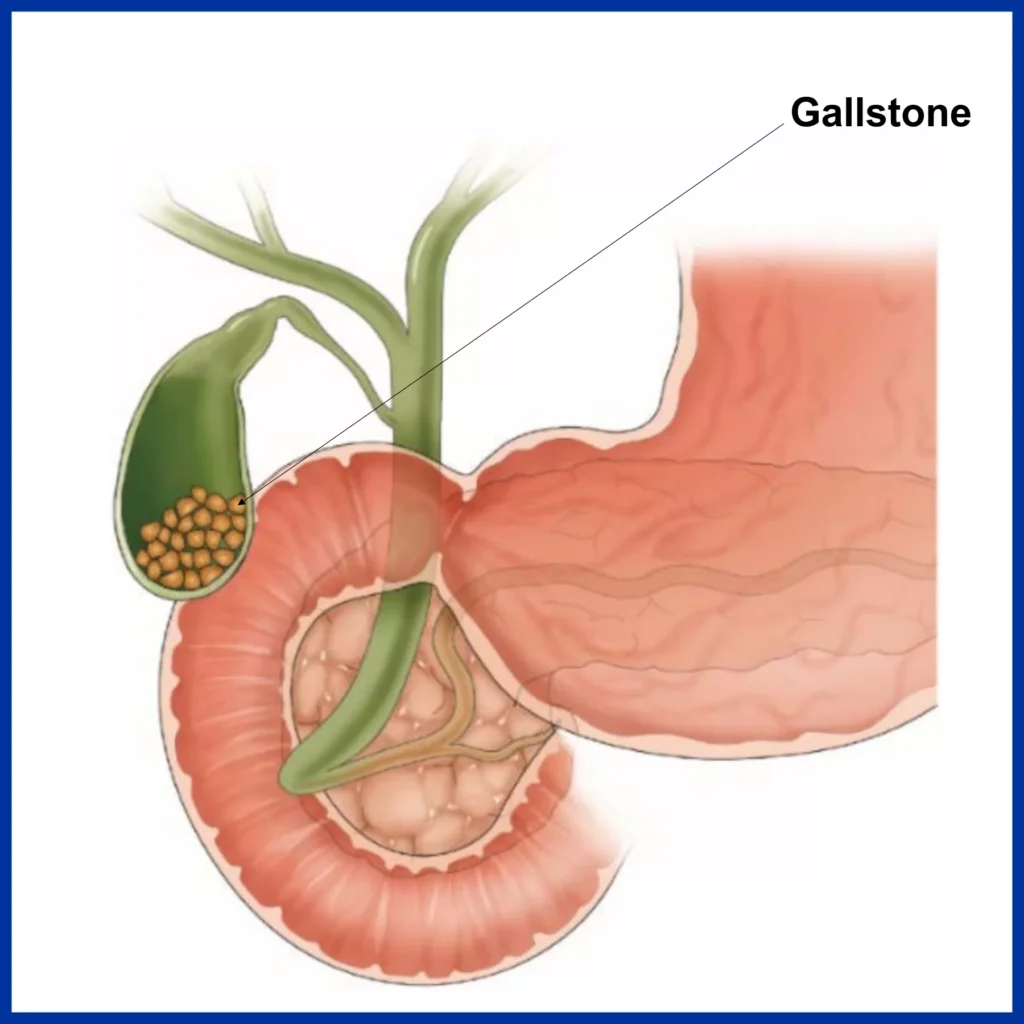
Procedures such as ERCP (Endoscopic Retrograde Cholangiopancreatography) may be used to remove selected bile duct stones, relieve obstruction, establish drainage, or place a stent when clinically indicated.
Step 12: Foreign Body Removal
Accidentally swallowed foreign objects may sometimes require endoscopic removal.
Using specialized endoscopic accessories, the object can be carefully retrieved while minimizing injury to the gastrointestinal tract.
The urgency and technique depend on the type, size, location, and nature of the foreign body.
Step 13: Assessment After Treatment
After the therapeutic intervention, the treated area is carefully inspected to assess the result and check for immediate complications such as bleeding.
If tissue has been removed, it may be sent for laboratory or histopathological examination as appropriate.
The patient is then monitored during recovery until it is safe to discharge them or transfer them for further observation if required.
Step 14: Post-Procedure Care and Follow-Up
After the procedure, the patient receives instructions regarding diet, medications, activity, warning symptoms, and follow-up.
Depending on the procedure performed, follow-up may include:
Review of biopsy or histopathology results
Repeat blood tests
Follow-up endoscopy
Stent removal or exchange when applicable
Monitoring for recurrence
Additional treatment when required
Conditions That May Be Managed
Therapeutic Endoscopy may be considered for selected patients with:
Gastrointestinal bleeding
Esophageal or gastrointestinal strictures
Gastrointestinal polyps
Selected mucosal lesions
Foreign bodies
Bile duct stones
Biliary obstruction
Certain pancreaticobiliary disorders
Other gastrointestinal conditions requiring endoscopic intervention
Benefits of Therapeutic Endoscopy
When clinically appropriate, therapeutic endoscopy can provide treatment through a minimally invasive approach. It may allow certain conditions to be treated without conventional open surgery and can sometimes combine diagnosis and treatment during the same procedure.
However, suitability depends on the individual patient's condition, and not every gastrointestinal problem can be treated endoscopically.
Our Approach
Our approach to Therapeutic Endoscopy combines detailed pre-procedure assessment, appropriate diagnostic evaluation, advanced endoscopic techniques, careful monitoring, and structured follow-up.
Each procedure is planned according to the patient's specific diagnosis and clinical requirements. The goal is to provide effective minimally invasive treatment while maintaining patient safety and achieving the best possible clinical outcome.